
Have you ever noticed your rainbow shark acting a little different and wondered if it might be preparing to mate soon?
Rainbow sharks show clear signs when they’re ready to mate, including increased territorial behavior, chasing, vivid coloration, and changes in eating habits. Recognizing these behaviors early helps create the right environment for breeding success.
Each of these signs reveals more about their instinctual behavior and readiness to reproduce, helping you better care for your aquarium’s unique dynamic.
Sign 1: Brighter and More Intense Coloration
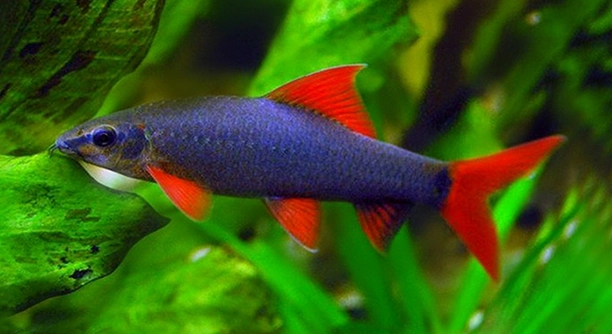
When a rainbow shark is ready to mate, its colors become more vivid than usual. Males often show deeper red on their fins, while females may develop a slightly rounder body and a darker tone. These color changes are a natural signal of breeding readiness and are influenced by hormones and environmental cues like lighting and temperature. A well-balanced diet and clean water conditions also enhance their coloration. If your shark starts to look noticeably more radiant, it’s not just healthy—it could be preparing to reproduce. Keep an eye out for deeper hues and visual differences between sexes.
Look closely during feeding time or when they’re swimming actively, as that’s when their colors stand out the most.
This bright coloration plays a role in attracting mates and signaling strength. In aquariums, it also helps distinguish potential breeding pairs. Maintaining stable tank conditions supports this visual cue, ensuring your fish remain healthy and visually expressive.
Sign 2: Increased Territorial Behavior
Rainbow sharks ready to mate often show more aggression and chase other fish away from their chosen area.
This behavior is especially common in males, who begin to claim a portion of the tank as their own. They patrol this space and may become more aggressive, even toward previously tolerated tank mates. It’s not unusual to see chasing, flaring fins, or even mock charges as they establish dominance. If the tank is overcrowded or lacks hiding spots, this aggression can increase and stress other fish. That’s why providing adequate space and décor is important. When you see these changes, it’s best to observe rather than interfere, unless the aggression becomes harmful. Mating behavior often requires patience and careful tank management. Signs like this often fade once the fish have mated or established clear boundaries. Keep a close eye and make small adjustments to maintain balance in the tank while letting nature take its course.
Sign 3: Frequent Chasing Between Male and Female
Chasing behavior becomes more noticeable when breeding is near. Males may follow females closely, often nudging or swimming tightly behind them. This is part of their courtship behavior and shouldn’t be confused with aggressive territorial chasing.
During this stage, males may begin to swim more energetically around females, trying to get their attention. The female might appear disinterested at first, swimming away or hiding, but this is normal. Over time, if she’s ready to mate, she’ll allow the male to stay close without darting away. The key difference between courtship chasing and aggression is intensity—courtship is persistent but less forceful. You might also see both fish circling each other calmly. This is a sign they’re testing compatibility before mating. Keeping the tank quiet and undisturbed during this period helps reduce stress and supports natural interaction between the pair. Watch closely without interfering unless one fish seems overly stressed.
If chasing becomes constant and one fish starts hiding for long periods, separate them temporarily to reduce stress. A brief break can help reset behavior. Providing more hiding spots and space can also calm things down. Let them reintroduce naturally after a day or two to see if conditions improve. Breeding behavior sometimes takes several attempts.
Sign 4: Resting Near the Bottom More Often
Rainbow sharks tend to rest near the bottom more frequently before mating. This behavior is often seen in both sexes but more common in females. They may choose specific spots and return to them repeatedly.
In the days leading up to mating, a female may start staying low near caves, driftwood, or plant-covered areas. These are potential nesting spots. Resting doesn’t always mean sickness; it can indicate preparation. The male may occasionally join her in this space, often nudging or observing from a short distance. If the fish are eating well and show no signs of illness like faded colors or clamped fins, this bottom-dwelling behavior is typically linked to breeding. Maintaining water quality is essential to avoid confusing breeding signs with health issues. A peaceful tank environment encourages natural behavior and reduces distractions. Monitor interactions and make sure all other tank mates are calm and not intruding on this space.
Sign 5: Digging or Rearranging the Substrate
Rainbow sharks may start digging small pits or pushing gravel around with their mouths. This behavior often happens near caves or plants and usually signals nesting behavior or preparation for mating.
They might revisit the same spot several times, clearing it and making it smooth. This helps create a suitable surface for eggs.
Sign 6: Decreased Interest in Food
A drop in appetite is common when rainbow sharks prepare to breed. Hormonal changes and increased focus on mating behaviors can cause them to eat less. As long as they still swim actively and show normal coloration, there’s usually no reason for concern.
Feeding less doesn’t always mean something is wrong. Their attention often shifts toward each other or toward maintaining territory. Try offering food in smaller amounts and watch their response. A balanced diet during this period remains important, even if they eat slower than usual. If your shark stops eating completely for more than two days, check water conditions and look for signs of stress. Otherwise, mild disinterest in food during mating readiness is normal. Monitor closely, but give them space to continue their natural patterns.
Sign 7: Calmer Behavior After Chasing
Once the aggressive or excited chasing phase passes, both fish may settle into a calmer rhythm. This is often a sign that they’ve accepted each other and mating is near.
FAQ
How can I tell if my rainbow shark is male or female?
Male rainbow sharks are usually slimmer with brighter, more intense fin coloration. Females tend to have a rounder belly, especially when they’re mature or preparing to breed. Males also show slightly longer and more pointed fins. When comparing the two side by side, these differences become easier to spot. However, sexing rainbow sharks isn’t always reliable unless you observe them during mating behavior. Watching how they interact—especially during chasing, nesting, or territorial displays—can give you extra clues about their sex.
Do rainbow sharks need a separate breeding tank?
Yes, setting up a separate breeding tank is ideal. Rainbow sharks can become territorial and aggressive, especially when preparing to mate. A breeding tank helps control stress, provides privacy, and prevents disturbances from other tank mates. It should include hiding spots, smooth surfaces for egg-laying, and stable water conditions. Use soft lighting and a sponge filter to avoid sucking up eggs or fry. Keeping the environment calm improves the chances of successful mating and reduces the risk of injuries.
How big should the tank be for breeding rainbow sharks?
A minimum of 40 gallons is recommended for breeding. Rainbow sharks need space to establish territory and reduce conflict. In a smaller tank, stress levels rise, which can interrupt the mating process. A longer tank layout (rather than taller) gives them more room to swim horizontally and separate when needed. Add plants, caves, and other décor to give them a sense of shelter and boundaries. Proper tank size also helps maintain water stability, which is critical for breeding success.
What water conditions encourage breeding in rainbow sharks?
Clean, warm water around 78–80°F with a neutral to slightly acidic pH (6.8–7.2) encourages mating. Maintain good water flow, but avoid strong currents. Perform small, regular water changes to mimic seasonal shifts and keep the tank fresh. Stable conditions reduce stress and support natural breeding behavior. It’s important to test water regularly to avoid sudden spikes in ammonia or nitrates. Soft lighting, consistent temperature, and low noise levels all contribute to a more suitable breeding setup.
Will rainbow sharks breed without help in a community tank?
It’s unlikely. In a busy tank with other fish, rainbow sharks may become too territorial or distracted to breed. Tank mates can interrupt mating behaviors or eat the eggs. For best results, isolate a healthy male and female pair in a calm, spacious environment. Even if the fish show signs of readiness in a community tank, they rarely follow through without space, privacy, and stable water parameters.
What should I do if they lay eggs?
Once eggs are laid, remove the adults or separate the eggs using a mesh divider. Rainbow sharks don’t usually protect their eggs and might eat them. Keep the water clean, well-oxygenated, and stable. Use gentle filtration to prevent disturbing the eggs. After hatching, feed fry with infusoria or liquid fry food, then move to baby brine shrimp as they grow.
How often do rainbow sharks breed?
Rainbow sharks don’t breed often in captivity, and successful breeding is rare without a carefully managed setup. If your pair mates successfully, give them time to rest and recover. Watch for changes in behavior or signs of stress before trying again.
Final Thoughts
Breeding rainbow sharks in captivity can be challenging, but it becomes easier when you understand the signs that show they’re ready to mate. Each behavior—such as brighter coloration, chasing, or resting near the bottom—plays a role in helping you recognize what stage they’re in. These signals are subtle but meaningful. They let you know when to step back, observe, and create the right environment without interfering too much. Understanding these patterns also helps you tell the difference between natural mating behavior and potential stress or aggression issues, which is especially important in a shared tank.
The key to success is keeping the tank conditions steady and stress-free. Rainbow sharks need space, hiding spots, and clean water to feel secure enough to breed. Watching how they behave with each other tells you more than any single sign. If the behaviors happen together—like territorial swimming followed by chasing and calm resting—there’s a good chance your fish are preparing to mate. Even if they don’t breed right away, these changes in behavior mean your fish are healthy, active, and comfortable in their environment. That alone is something to appreciate when keeping this species.
Some aquarists may never see successful breeding, and that’s okay. Rainbow sharks are more difficult to breed than many other freshwater fish, and not every attempt will result in eggs or fry. But learning to recognize the signs and building a setup that supports their natural instincts gives you a better chance. Whether they end up breeding or not, giving them the right space and care improves their overall well-being. Over time, with patience and a little observation, you’ll get to know your rainbow sharks better and may even see them reach that final stage of readiness.

Hello,
If you enjoy the content that we create, please consider saying a "Thank You!" by leaving a tip.
Every little bit helps us continue crafting quality advice that supports the health, happiness, and well-being of pets around the world, for pets of all shapes, sizes, and species.
We really appreciate the kindness and support that you show us!