
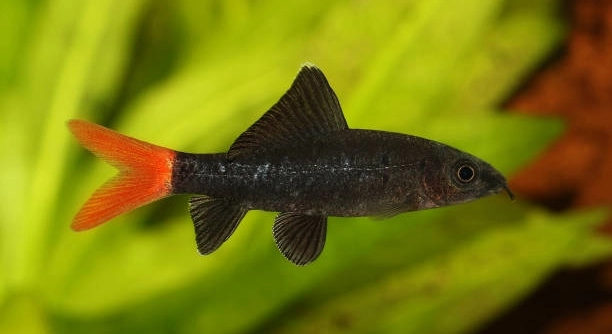
Are your Rainbow Sharks showing signs of distress in their tank? Overheating can affect their health and behavior. Knowing how to spot the early signs is important for keeping your fish safe and comfortable in their environment.
Rainbow Sharks can overheat when tank temperatures rise above their ideal range of 72–79°F (22–26°C). Signs of overheating include lethargy, rapid gill movement, clamped fins, and loss of appetite. Maintaining proper temperature control and good water circulation is essential for their wellbeing.
Recognizing these symptoms early can help prevent serious health problems. Proper care ensures your Rainbow Shark stays healthy and active in its aquatic home.
Common Signs Your Rainbow Shark Is Overheating
When a Rainbow Shark overheats, it shows clear signs that are easy to notice if you pay attention. One of the first signs is lethargy. Your fish may become less active and spend more time hiding or resting at the bottom of the tank. Rapid gill movement is another key sign, as the fish tries to get more oxygen to cool down. You might also see clamped fins, where the fins stay close to the body instead of spreading out. Loss of appetite is common, and your Rainbow Shark may refuse to eat its usual food. Sometimes, the fish may appear pale or have faded colors. These symptoms indicate that the tank temperature is too high, stressing the fish and making it hard to breathe. It’s important to monitor these signs and act quickly to avoid further health problems.
Overheating causes stress, which weakens your Rainbow Shark’s immune system, making it more prone to illness.
Taking early action helps keep your fish healthy and reduces the risk of serious conditions caused by heat stress.
How to Fix Overheating in Your Tank
Lowering the tank temperature is the most direct way to fix overheating. Using an aquarium cooler or adjusting the room temperature can help bring the water back into the safe range for your Rainbow Shark. Increasing water circulation with a filter or air stone improves oxygen levels, which helps the fish breathe more easily. You can also add live plants to create shaded areas that allow your fish to find cooler spots. Avoid placing the tank near heat sources or in direct sunlight. Regularly check the thermometer and adjust conditions as needed. If the temperature stays high for too long, consider doing partial water changes with cooler water to reduce heat quickly. Maintaining stable water quality is essential during this process to avoid additional stress. These steps ensure your Rainbow Shark can recover comfortably from overheating.
Creating a stable, cool environment supports your fish’s health and encourages normal behavior.
Maintaining proper temperature and water quality is key to preventing future overheating problems. Regular monitoring and small adjustments help your Rainbow Shark thrive in its tank. This attention to detail improves its lifespan and overall wellbeing.
Preventing Overheating in Your Rainbow Shark’s Tank
Maintaining a stable temperature is crucial to prevent overheating. Use a reliable aquarium heater with a thermostat to avoid sudden temperature spikes. Keep the tank away from windows or heat sources that can raise the water temperature unexpectedly.
Regular monitoring is essential. Check the water temperature daily and observe your Rainbow Shark’s behavior for any signs of stress. Installing a water circulation system improves oxygen levels and prevents hot spots. Using plants not only provides shade but also helps regulate water temperature naturally. Make sure your tank is the right size for your Rainbow Shark, as overcrowding can increase heat and stress. Taking these preventive steps reduces the risk of overheating and keeps your fish comfortable.
Maintaining proper filtration and regular water changes also help balance the environment. Consistent care and attention are key to keeping your Rainbow Shark healthy and happy.
Choosing the Right Equipment to Manage Tank Temperature
Selecting the correct equipment is vital for temperature control. A high-quality heater with an accurate thermostat maintains stable water temperature. An aquarium chiller can be useful if your environment is naturally warm. Air pumps and filters increase water movement, which helps cool the tank and improve oxygen flow. Using a thermometer designed for aquariums ensures precise temperature readings, allowing timely adjustments.
Proper equipment prevents temperature fluctuations that can stress your Rainbow Shark. Investing in reliable tools saves you from frequent problems and ensures your tank stays within the safe temperature range. Regular maintenance of this equipment is necessary to keep it working efficiently. Clean filters and check heaters frequently to avoid failures. With the right setup, you can create a stable habitat that supports your fish’s health and longevity.
Monitoring Water Temperature Regularly
Consistent temperature checks help catch overheating early. Use a reliable aquarium thermometer placed in a visible spot. Record the temperature daily to track any changes over time.
Setting alerts or reminders to check the tank encourages regular monitoring. This simple habit prevents prolonged exposure to harmful temperatures and keeps your Rainbow Shark safe.
Signs of Heat Stress Beyond Behavior
Heat stress can cause physical changes such as pale or faded coloration, damaged fins, and swollen gills. These signs indicate that the fish is struggling to cope with high temperatures and may need immediate attention to avoid illness.
Importance of Water Quality
Poor water quality worsens the effects of overheating. Keeping ammonia, nitrite, and nitrate levels low reduces stress and supports your Rainbow Shark’s recovery when temperatures rise.
When to Consult a Specialist
If symptoms worsen despite adjustments, seek advice from a vet or aquarium expert. Early professional help can prevent severe health issues.
FAQ
How can I tell if my Rainbow Shark is overheating?
Signs include lethargy, rapid gill movement, clamped fins, loss of appetite, and faded colors. These symptoms indicate the tank temperature is above the ideal range and stressing your fish. Monitoring behavior and physical changes helps catch overheating early.
What is the ideal temperature range for Rainbow Sharks?
Rainbow Sharks thrive best between 72 and 79°F (22–26°C). Temperatures above this range can cause heat stress and harm the fish. Maintaining stable temperatures within these limits supports their health and normal activity.
What should I do immediately if my Rainbow Shark is overheating?
Lower the water temperature gradually using an aquarium cooler or adjusting room conditions. Increase water circulation to improve oxygen levels. Avoid sudden temperature changes, as these can cause additional stress.
Can too much sunlight cause my tank to overheat?
Yes, direct sunlight increases water temperature and can create hot spots in the tank. Keep your aquarium away from windows or cover it to prevent overheating caused by sunlight exposure.
How often should I check my tank’s temperature?
Daily checks are recommended to catch any temperature fluctuations early. Using a reliable aquarium thermometer with clear visibility helps maintain consistent monitoring.
Are plants helpful in regulating tank temperature?
Live plants provide shade and reduce light penetration, which can lower water temperature slightly. They also improve water quality and create hiding spots, helping reduce stress for your Rainbow Shark.
Can overcrowding cause overheating?
Overcrowding increases waste and metabolic heat in the tank, which can raise water temperature. It also reduces oxygen levels, adding stress. Keep your tank properly stocked to avoid these issues.
What equipment helps prevent overheating?
Aquarium heaters with thermostats maintain stable temperatures, while chillers can cool warm tanks. Air pumps and filters increase water movement and oxygenation, helping keep temperatures balanced.
Is it safe to do partial water changes to cool the tank?
Yes, partial water changes with cooler water can quickly lower the temperature. Be careful not to use water that is too cold or change too much at once, as sudden temperature shifts can shock your fish.
How long does it take for a Rainbow Shark to recover from overheating?
Recovery time varies based on the severity of the heat stress and how quickly conditions improve. With proper care and stable temperature, symptoms can improve within days, but ongoing monitoring is important.
What other problems can overheating cause?
Heat stress weakens the immune system, making fish more vulnerable to infections and diseases. Prolonged exposure can cause organ damage, reduce lifespan, and lead to fatal outcomes if not addressed.
When should I consult a vet or aquarium specialist?
If your Rainbow Shark’s symptoms worsen or do not improve after temperature adjustments, seek professional advice. Early intervention can prevent serious health issues and guide you in providing proper care.
Can I use any thermometer for my aquarium?
It’s best to use a thermometer designed specifically for aquariums. These provide accurate readings in water and are easy to place inside the tank. Avoid relying on room thermometers, as they don’t reflect water temperature accurately.
Are there signs of overheating that mimic other illnesses?
Yes, symptoms like lethargy and clamped fins may also indicate infections or poor water quality. Always check temperature alongside water parameters and other signs to identify the root cause accurately.
How does water quality affect overheating stress?
Poor water quality increases stress on your fish and reduces its ability to cope with heat. Keeping ammonia, nitrites, and nitrates low helps your Rainbow Shark recover faster and stay healthier.
Can adjusting feeding help when the tank is too warm?
Reducing feeding slightly during heat stress can help since fish often lose appetite. Avoid overfeeding, as leftover food can worsen water quality and add to stress.
Is it normal for Rainbow Sharks to hide more when overheated?
Yes, hiding is a common response to stress, including heat. It helps them avoid further stress and conserve energy. However, prolonged hiding with other symptoms signals a problem needing attention.
How can I maintain temperature stability in summer months?
Use aquarium chillers, keep tanks away from heat sources, and increase water circulation. Partial water changes with cooler water help as well. Monitoring is especially important during warm seasons.
Does tank size affect temperature control?
Larger tanks are more stable and less prone to rapid temperature changes. Smaller tanks heat up or cool down quickly, requiring closer monitoring and more frequent adjustments.
Are LED lights better for preventing overheating?
LED lights produce less heat than traditional bulbs, helping keep tank temperatures down. Using LED lighting is a good choice for temperature-sensitive fish like Rainbow Sharks.
Final Thoughts
Keeping your Rainbow Shark comfortable requires careful attention to its environment, especially the water temperature. Overheating can cause serious stress and health problems for your fish. By understanding the signs of overheating, you can act quickly to help your Rainbow Shark stay healthy. Watching for changes in behavior, like lethargy or loss of appetite, and physical signs, such as clamped fins or faded colors, is essential. Early detection allows you to adjust tank conditions before the situation worsens.
Maintaining a stable temperature within the ideal range of 72 to 79°F (22 to 26°C) is the best way to prevent overheating. Using the right equipment, such as thermostats, aquarium chillers, and reliable thermometers, will help you keep the water at safe levels. Proper water circulation and avoiding direct sunlight or heat sources near the tank also reduce the risk. Regular temperature checks should become part of your routine care. Along with temperature, good water quality plays an important role in supporting your Rainbow Shark’s health and ability to recover from stress.
Taking these steps can improve the overall wellbeing of your Rainbow Shark and extend its life. Overheating is avoidable with proper care and attention to detail. A healthy tank environment not only protects your fish but also creates a more enjoyable experience for you as a keeper. Remember, small changes in temperature or water quality can have big effects on your Rainbow Shark, so staying consistent with monitoring and maintenance will help your fish thrive.

Hello,
If you enjoy the content that we create, please consider saying a "Thank You!" by leaving a tip.
Every little bit helps us continue crafting quality advice that supports the health, happiness, and well-being of pets around the world, for pets of all shapes, sizes, and species.
We really appreciate the kindness and support that you show us!