
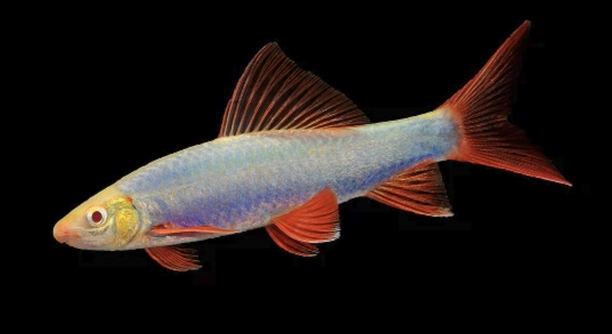
Are your rainbow sharks acting restless or hiding more than usual? These colorful fish need the right environment to thrive. An improper tank setup can cause stress and affect their overall health. Knowing the signs helps improve their well-being.
Rainbow sharks display several behavioral and physical signs when unhappy with their tank setup. These include lethargy, loss of appetite, excessive hiding, damaged fins, unusual swimming patterns, aggression, and faded coloration. Recognizing these signs early is crucial for proper intervention.
Understanding these signs will help you create a better environment for your rainbow shark’s comfort and health. This knowledge supports their long-term happiness in your aquarium.
Signs of Lethargy and Loss of Appetite
When your rainbow shark becomes unusually inactive, it is often a clear sign of discomfort in its tank. Lethargy means the fish is spending most of its time resting or barely moving. This behavior can indicate poor water quality, improper temperature, or insufficient space. Along with lethargy, a loss of appetite is another warning sign. If your fish stops eating or shows little interest in food, it may be stressed or sick. These signs often occur together because stress reduces their energy and desire to eat. Addressing these issues quickly by testing water parameters, adjusting temperature, and ensuring a clean environment can help restore your fish’s vitality. Pay attention to these early symptoms to prevent more serious health problems.
Ignoring lethargy and loss of appetite may lead to weakened immune systems and increased susceptibility to diseases in rainbow sharks.
Observing your rainbow shark closely for these signs can save it from unnecessary suffering. Taking prompt action to improve tank conditions ensures your fish remains active and healthy, enhancing its lifespan and quality of life.
Excessive Hiding and Aggression
Excessive hiding often means your rainbow shark feels unsafe or stressed. In a poorly arranged tank, they may not find suitable spots to retreat, causing anxiety. Aggression, such as chasing or fin-nipping, can also emerge if the environment is overcrowded or lacks enough hiding places. These behaviors signal discomfort and can escalate if not addressed. Providing adequate space and proper decor helps reduce stress and territorial fights. Consistent tank maintenance and avoiding overstocking are key to managing these behaviors and keeping your rainbow shark calm and secure.
Faded Coloration
Faded coloration in rainbow sharks is a clear sign of stress or poor tank conditions. Healthy fish show vibrant colors, so dull or pale skin should not be ignored.
Faded colors often result from low water quality, inadequate lighting, or improper diet. When water parameters like ammonia, nitrite, or nitrate are off, fish become stressed, which causes their colors to fade. Additionally, insufficient lighting can prevent their natural colors from showing brightly. Feeding a varied diet rich in nutrients helps maintain their vivid appearance. Regular water tests and proper tank maintenance are essential to prevent this issue.
Stress and illness can also cause color fading. Diseases or parasites weaken the fish, making them lose their vibrant hues. Keeping a close eye on your rainbow shark’s color can help detect early problems and keep your fish healthy.
Damaged Fins
Damaged fins may occur from aggression, poor water quality, or tank decorations that are sharp or rough. Torn or ragged fins need immediate attention.
Aggressive tank mates often nip at fins, causing physical harm. Overcrowded tanks increase stress and conflict, leading to fin damage. Poor water quality weakens fin tissue, making it more prone to tearing. Decorations with sharp edges can also injure your fish during normal swimming. Repairing or replacing unsafe tank items and maintaining clean water reduces the risk of damage. Additionally, isolating aggressive fish or providing more space helps minimize fin injuries.
Treating damaged fins promptly with appropriate medications or water changes promotes healing. Healthy fins are essential for swimming and balance, so preventing and fixing damage ensures your rainbow shark stays comfortable and active.
Unusual Swimming Patterns
Unusual swimming, such as erratic movements or staying at the surface, often signals stress or poor water quality. It can also indicate discomfort with tank conditions or illness.
If your rainbow shark swims in circles, darts suddenly, or struggles to maintain balance, these behaviors are cause for concern. Changes in water temperature, oxygen levels, or toxins may cause this. Swimming near the surface could mean low oxygen or other water issues. Early detection of these patterns helps prevent serious health problems.
Stress-Induced Aggression
Aggression can increase when rainbow sharks feel cramped or threatened. This behavior harms both the shark and other tank mates.
Overcrowding and lack of hiding spots heighten territorial disputes. Providing enough space and decor reduces conflict and stress in your tank.
Inadequate Tank Size
A tank that is too small limits your rainbow shark’s movement and causes stress, impacting its overall health.
FAQ
How do I know if my rainbow shark is stressed?
Stress in rainbow sharks shows through several signs: fading colors, hiding often, reduced appetite, and unusual swimming. They may also become aggressive or lethargic. These behaviors indicate that the tank conditions are not ideal and need attention to improve their environment and water quality.
What is the ideal tank size for a rainbow shark?
Rainbow sharks need at least a 55-gallon tank to swim freely and establish territories. Smaller tanks restrict their movement and can cause stress and aggression. Providing enough space helps maintain their health and natural behavior.
What water conditions are best for rainbow sharks?
Rainbow sharks thrive in water temperatures between 72°F and 79°F. The pH should be neutral to slightly acidic, around 6.5 to 7.5. Ammonia and nitrite levels must be zero, and nitrate should stay below 20 ppm. Regular testing and water changes are essential.
Why does my rainbow shark hide so much?
Hiding is often a response to stress or fear. This can be caused by overcrowding, aggressive tank mates, or a lack of suitable hiding spots. It may also indicate poor water quality or illness. Ensuring a peaceful environment with proper decor helps reduce hiding.
Can rainbow sharks live with other fish?
Yes, but choose tank mates carefully. Avoid slow-moving or long-finned fish that may become targets. Suitable companions include fast, peaceful species that can coexist without causing stress. Keep the tank large enough to reduce territorial disputes.
How often should I clean my rainbow shark’s tank?
Regular cleaning is important. Perform partial water changes of 20-30% every week to maintain water quality. Clean filters and remove debris but avoid disturbing the beneficial bacteria. Consistent maintenance prevents stress and illness.
What should I feed my rainbow shark?
Rainbow sharks are omnivores. Offer a balanced diet of high-quality flakes, pellets, and occasional live or frozen foods like bloodworms or brine shrimp. Supplement with vegetables like blanched zucchini. A varied diet supports their health and vibrant colors.
Why are my rainbow shark’s fins damaged?
Damaged fins often result from aggressive tank mates, poor water quality, or rough decorations. Check for fin-nipping fish, maintain clean water, and remove or replace sharp objects. Healing is faster in a calm, clean environment.
What can cause my rainbow shark to stop eating?
Loss of appetite can be due to stress, illness, or poor water conditions. Sudden changes in temperature or water chemistry also affect feeding behavior. Addressing tank conditions and consulting a vet if needed can help restore normal eating.
How do I reduce aggression in my rainbow shark?
Provide plenty of space, hiding spots, and peaceful tank mates. Avoid overcrowding and keep the tank clean. Aggression often arises from stress or territorial disputes, so improving these factors calms your fish.
Is it normal for rainbow sharks to swim near the surface?
No, swimming near the surface usually indicates poor oxygen levels or water quality issues. Test your water and increase aeration if needed. Healthy rainbow sharks prefer mid to bottom tank levels.
What causes my rainbow shark to lose its color?
Faded colors can result from stress, poor diet, or inadequate lighting. Ensure a balanced diet and proper tank setup. Regular water maintenance and stable conditions help your fish maintain bright coloration.
Final thoughts on keeping rainbow sharks happy focus on the importance of a suitable tank environment. These fish need enough space, clean water, and proper care to thrive. A tank that is too small or poorly maintained can cause stress, leading to health problems and changes in behavior. Paying close attention to their needs, such as water temperature, quality, and tank decor, helps create a comfortable habitat. A well-kept tank supports their natural colors and activity levels, which are signs of a healthy fish.
Another key point is observing your rainbow shark’s behavior regularly. Changes like hiding, aggression, or loss of appetite often indicate something is wrong with the tank setup. Catching these signs early allows you to take steps to improve conditions before serious health issues develop. Regular water testing, partial water changes, and ensuring there is enough space and hiding places can reduce stress. By providing an environment that mimics their natural habitat, you give your rainbow shark the best chance to live a long and healthy life.
Finally, diet and tank mates also play a role in their happiness. Feeding a balanced diet with a mix of flakes, pellets, and occasional live or frozen foods keeps them healthy and colorful. Choosing compatible tank mates that do not stress or harm your rainbow shark is important to prevent aggression and injury. Consistency in care routines, along with patience and attention, will help your fish adjust and flourish in their tank. Taking these steps can ensure that your rainbow shark remains active, vibrant, and content.

Hello,
If you enjoy the content that we create, please consider saying a "Thank You!" by leaving a tip.
Every little bit helps us continue crafting quality advice that supports the health, happiness, and well-being of pets around the world, for pets of all shapes, sizes, and species.
We really appreciate the kindness and support that you show us!