
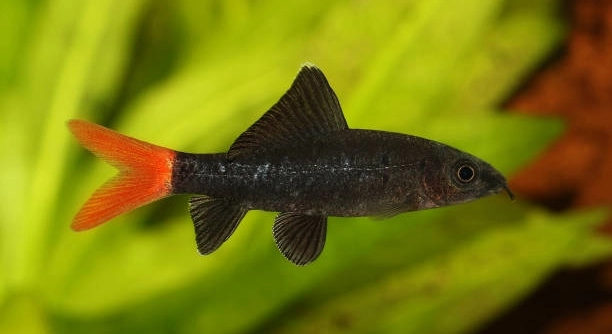
Rainbow sharks are popular aquarium fish known for their striking colors and active swimming. Ensuring their environment suits their needs is essential to keep them healthy and comfortable. Sometimes, signs of distress can indicate your tank setup needs adjustment.
Recognizing signs that your rainbow shark is unhappy involves observing changes in behavior, appearance, and activity levels. Common indicators include lethargy, hiding, loss of color, poor appetite, or signs of stress caused by water quality or tank conditions.
Identifying these signs early can help you make timely changes to improve your fish’s well-being. This article will outline key symptoms that suggest your rainbow shark is struggling in its current habitat.
Signs of Stress in Rainbow Sharks
Rainbow sharks often show stress through changes in behavior or appearance. You may notice your fish becoming less active or hiding more than usual. Their vibrant colors might fade, and they could lose interest in food. Stress can be caused by poor water quality, overcrowding, or inadequate tank setup. It’s important to keep the tank clean and maintain the right water parameters. Consistent monitoring can help catch problems early, preventing long-term harm. When rainbow sharks are stressed, their immune systems weaken, making them more vulnerable to diseases. Regular observation will help you recognize subtle signs before they escalate.
A stressed rainbow shark often swims erratically or stays hidden for long periods.
Stress affects the fish’s health and happiness. If you notice any unusual behavior, check the tank conditions immediately. Proper care includes maintaining stable water temperature, avoiding sudden changes, and ensuring enough space for swimming. A peaceful environment helps your rainbow shark feel secure and thrive in its home.
Importance of Proper Tank Size and Setup
A suitable tank size is crucial for rainbow sharks, as they need space to swim and establish territory. Small or overcrowded tanks can cause aggression and stress, affecting their behavior and health. The minimum recommended tank size is around 30 gallons, but larger tanks are better for multiple fish. Proper hiding spots using plants or decorations also help reduce stress.
Tank layout impacts the fish’s comfort and well-being.
When setting up a tank, consider including smooth surfaces and plenty of swimming space. Avoid sharp or rough decorations that might injure your fish. Keep water flow moderate because strong currents can overwhelm them. Regular water changes and a good filtration system are essential to maintain water quality. A well-maintained environment supports your rainbow shark’s natural behaviors and reduces the risk of stress-related problems.
Providing the right size and setup encourages healthy growth and vibrant coloration, making your rainbow shark a lively addition to your aquarium.
Water Quality and Its Impact
Poor water quality quickly affects rainbow sharks. Ammonia, nitrites, and nitrates must be kept at safe levels. Frequent water testing helps maintain a healthy environment.
Maintaining clean water is essential for your rainbow shark’s health. Ammonia and nitrite levels should always be zero, while nitrates must stay below 20 ppm. Regular water changes, at least 20-30% weekly, remove waste and toxins. Avoid overfeeding, as leftover food breaks down and pollutes the water. Use a reliable filtration system to keep water clear and oxygenated. When water quality declines, your fish may gasp for air, lose color, or become lethargic.
Water temperature should be stable, between 74°F and 80°F, to avoid stress. Sudden changes or poor conditions can weaken your rainbow shark’s immune system. Proper care means paying close attention to water parameters and acting promptly to prevent illness.
Behavior Changes as Warning Signs
Changes in swimming patterns or appetite often indicate trouble. Rainbow sharks that hide excessively or stop eating need attention.
Lack of activity or erratic swimming behavior suggests discomfort or illness. If your fish avoids interaction or stays at the bottom of the tank, it may feel stressed. Loss of appetite can also signal problems such as poor water quality, incorrect temperature, or disease. Monitoring these behaviors daily allows for quick intervention.
When signs appear, check water parameters and tank conditions first. If everything is normal, consider possible diseases or parasites. Early detection improves treatment success and your fish’s chances of recovery. Maintaining a calm, stable environment reduces the likelihood of stress-related behavior changes.
Tank Decorations and Hiding Spots
Rainbow sharks need hiding spots to feel safe and reduce stress. Plants, caves, or smooth decorations provide shelter and territory boundaries.
Too few hiding places can cause your fish to feel exposed and anxious. This may lead to aggressive or withdrawn behavior, so providing proper cover is important for their comfort.
Overcrowding Effects
Overcrowding increases stress and competition among tank mates. Rainbow sharks may become aggressive or hide more often when space is limited.
Feeding Habits and Nutrition
Poor feeding routines or inadequate nutrition can make rainbow sharks weak and less active. Feeding high-quality food and sticking to a regular schedule supports their health and energy.
FAQ
What causes rainbow sharks to lose color?
Loss of color in rainbow sharks usually signals stress or poor water quality. When the tank environment is not ideal, their vibrant colors fade. Common causes include high ammonia or nitrate levels, temperature fluctuations, or illness. Ensuring clean, stable water and a well-balanced diet helps maintain their bright appearance.
How often should I test my tank water?
Testing your tank water at least once a week is recommended. Regular monitoring of ammonia, nitrites, nitrates, and pH levels helps catch issues early. If your fish show signs of stress or illness, increase testing frequency until conditions stabilize. Keeping water parameters within safe ranges supports your rainbow shark’s health.
What tank size is best for a rainbow shark?
A minimum of 30 gallons is needed for one rainbow shark. They are active swimmers and require space to establish territory. Larger tanks are better if you keep multiple fish or other species to reduce aggression and stress. Overcrowding causes behavioral problems and health risks.
Can rainbow sharks live with other fish?
Yes, but tank mates should be peaceful and similarly sized. Avoid slow-moving or long-finned species, as rainbow sharks can be territorial and aggressive. Providing enough space and hiding spots helps reduce conflicts. Monitor behavior closely to intervene if aggression occurs.
How do I know if my rainbow shark is sick?
Signs of illness include lethargy, loss of appetite, faded color, clamped fins, or abnormal swimming. Look for physical symptoms like spots, swelling, or frayed fins. Early detection and treatment improve recovery chances. Maintain water quality and isolate sick fish if needed.
What is the best diet for a rainbow shark?
Rainbow sharks are omnivores and need a varied diet. High-quality flakes or pellets designed for tropical fish should be supplemented with live or frozen foods like bloodworms, brine shrimp, or vegetables. Feeding small amounts twice daily helps keep them healthy without polluting the water.
How often should I perform water changes?
Weekly water changes of 20-30% are ideal. This removes toxins, reduces nitrates, and refreshes the environment. Regular changes prevent buildup of harmful substances and keep your rainbow shark comfortable. More frequent changes may be necessary if the tank is heavily stocked or water quality declines.
Why does my rainbow shark hide all the time?
Constant hiding usually means stress, fear, or poor tank conditions. It may be caused by aggressive tank mates, inadequate hiding spots, or water quality issues. Providing proper shelter and improving the environment often encourages your fish to be more active and visible.
Can temperature changes affect my rainbow shark?
Yes, sudden or extreme temperature shifts stress rainbow sharks. They prefer stable water between 74°F and 80°F. Fluctuations can weaken their immune system and lead to illness. Use a reliable heater and thermometer to maintain consistent temperature in the tank.
What are common diseases in rainbow sharks?
Common diseases include ich, fin rot, and fungal infections. These usually result from stress or poor water quality. Symptoms include white spots, torn fins, or fuzzy patches. Prompt treatment with appropriate medication and improved tank conditions is crucial to recovery.
How long do rainbow sharks live?
With proper care, rainbow sharks live 5 to 8 years. Good water quality, proper diet, and a suitable tank environment contribute to their lifespan. Stress and disease can shorten their life expectancy, so consistent maintenance is important.
Is it normal for rainbow sharks to be aggressive?
Rainbow sharks can show territorial aggression, especially in small or crowded tanks. They may chase or nip at other fish. Providing enough space and hiding spots reduces aggression. Selecting compatible tank mates also helps keep the peace.
Should I feed my rainbow shark at night?
Rainbow sharks are more active during dusk and dawn, but feeding during the day is generally fine. Feeding twice daily in small amounts prevents overfeeding and keeps water clean. Some owners prefer to feed when the fish are most active to encourage eating.
How can I reduce aggression in my tank?
Increase tank size, add hiding spots, and avoid overcrowding to reduce aggression. Introducing tank mates slowly and choosing species that tolerate territorial behavior can help. Consistent monitoring and adjusting the environment as needed improve harmony.
What equipment is essential for a rainbow shark tank?
A good filtration system, heater, thermometer, and proper lighting are essential. Filtration keeps water clean, while heating maintains stable temperature. Lighting should mimic natural day and night cycles without being too intense. These elements support a healthy environment.
Can poor diet cause health issues?
Yes, a diet lacking variety or quality can weaken your rainbow shark’s immune system. Feeding only flakes or pellets limits nutrition. Including live or frozen foods and vegetables provides essential nutrients for growth and disease resistance. Balanced feeding promotes vitality and longevity.
Final thoughts on caring for your rainbow shark focus on the importance of maintaining a healthy, stable environment. These fish require consistent attention to water quality, tank size, and overall conditions to thrive. Stress can be caused by many factors, including poor water quality, overcrowding, lack of hiding spots, or improper feeding. By understanding the signs that your rainbow shark is unhappy, you can take steps to improve its well-being and avoid serious health problems. Regular maintenance, observation, and care are essential for keeping these fish healthy and vibrant in your aquarium.
Water quality plays a crucial role in your rainbow shark’s happiness. Ammonia, nitrites, and nitrates must be monitored carefully, and regular water changes are necessary to keep the environment clean. Maintaining stable temperature and proper filtration supports your fish’s health by reducing stress and preventing disease. It is also important to provide enough space for your rainbow shark to swim and establish territory. A tank that is too small or crowded leads to aggression and anxiety. Adding decorations and hiding places helps your fish feel secure, which encourages natural behavior and reduces stress levels.
Feeding your rainbow shark a balanced diet is another key factor in its health. They need a mix of high-quality flakes or pellets along with live or frozen foods such as bloodworms or brine shrimp. Feeding small amounts regularly keeps the fish energetic and prevents leftover food from polluting the tank. Monitoring behavior and appearance daily allows you to catch early signs of trouble and respond quickly. By creating a well-maintained, peaceful environment and meeting your rainbow shark’s needs, you can enjoy a lively and colorful addition to your aquarium for many years.

Hello,
If you enjoy the content that we create, please consider saying a "Thank You!" by leaving a tip.
Every little bit helps us continue crafting quality advice that supports the health, happiness, and well-being of pets around the world, for pets of all shapes, sizes, and species.
We really appreciate the kindness and support that you show us!