
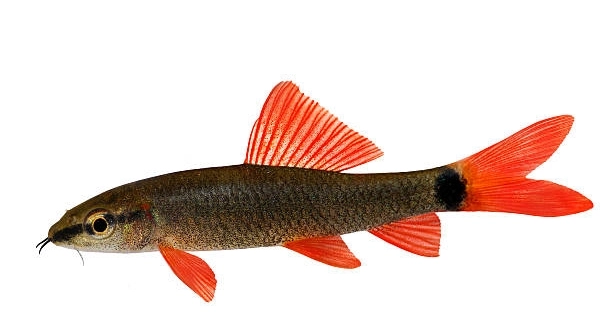
Many people enjoy keeping rainbow sharks in their aquariums for their striking colors and active nature. These fish can be lively companions but sometimes show signs of stress or unhappiness. Recognizing these signs helps ensure their well-being.
Rainbow sharks that are unhappy often display changes in behavior, physical appearance, and interaction with their environment. Signs include loss of appetite, hiding, fin damage, color fading, erratic swimming, aggression, and lethargy. Monitoring these signs is essential for proper care.
Knowing how to spot these issues early allows you to create a healthier and more comfortable habitat for your fish. Understanding your rainbow shark’s needs leads to a happier, more vibrant pet.
Loss of Appetite
When your rainbow shark stops eating or shows less interest in food, it is a clear sign something is wrong. Healthy rainbow sharks usually have a good appetite and actively search for food during feeding times. A sudden decrease in appetite can indicate stress, illness, or poor water conditions. It’s important to check your tank’s water quality, temperature, and filtration system to make sure everything is optimal. Sometimes, a change in diet or adding live food can encourage your fish to eat again. Ignoring this sign can lead to malnutrition and weaken your fish’s immune system, making it vulnerable to disease. Keep an eye on how much and how often your rainbow shark eats to spot problems early.
Loss of appetite often leads to weight loss and a weaker immune response, increasing the risk of infections and other health problems.
Making small adjustments in care and monitoring your fish closely can help restore its appetite. Feeding a varied diet and maintaining good tank conditions supports overall health.
Hiding Behavior
Hiding frequently or staying in one spot for long periods can mean your rainbow shark is unhappy or stressed. Normally, these fish explore their environment actively, but when they hide, it shows discomfort. This can be caused by overcrowding, aggressive tank mates, or poor water quality. Sometimes, new tank setups or sudden changes in lighting or temperature make fish retreat to hiding spots. If your rainbow shark is always hiding, it’s a sign you should review the tank environment. Removing aggressive fish, adding hiding places like plants or caves, and keeping water clean can help your fish feel safe. A happy rainbow shark will swim confidently around the tank instead of staying hidden.
Faded Color
A rainbow shark losing its bright color can be a sign of stress or illness. Healthy fish show vibrant hues, so dullness means something is wrong.
Color fading often results from poor water quality, inadequate lighting, or an unbalanced diet. When the tank conditions aren’t right, the fish’s natural pigments weaken. Stress caused by aggressive tank mates or sudden changes in the environment can also cause colors to fade. Regular water tests and proper feeding routines help maintain their bright appearance. Ensuring the tank has good lighting suited for your fish’s needs supports their natural color. If the fading continues, check for disease or parasites.
Restoring vibrant color takes patience and care. Improving water quality by performing regular water changes can reduce stress and help the fish recover. Feeding a balanced diet rich in nutrients, including foods with natural color enhancers like spirulina or brine shrimp, supports pigmentation. Avoid overcrowding and maintain stable tank conditions to keep your rainbow shark healthy and colorful.
Erratic Swimming
Erratic swimming behavior is often a sign of discomfort or stress. Sudden darting, spinning, or bumping against the tank walls can indicate an issue.
This behavior can be caused by poor water quality, infections, or irritants like parasites. If your rainbow shark is swimming erratically, test the water for ammonia, nitrites, and nitrates immediately. High levels of these compounds create toxic conditions and cause distress. Infections or parasites may irritate the fish, leading to unusual movement as it tries to escape discomfort. Stress from overcrowding or aggressive tank mates can also result in erratic swimming. Addressing the cause quickly is essential to prevent further harm.
Correcting this behavior requires cleaning the tank and maintaining proper water parameters. Quarantine new fish before adding them to the tank to avoid spreading disease. Treat infections with appropriate medications and reduce stress by providing hiding spots and ensuring compatible tank mates. Observing your rainbow shark’s behavior closely can help catch problems before they worsen.
Fin Damage
Fin damage is a common sign of stress or poor tank conditions. Torn or ragged fins can result from fights, sharp objects, or infections.
Damaged fins reduce your fish’s ability to swim properly and increase vulnerability to disease. Immediate attention is necessary to prevent worsening.
Aggression
Aggression in rainbow sharks often appears as chasing or nipping other fish. It usually happens when the tank is overcrowded or lacks hiding spots.
Providing enough space and hiding places can reduce tension. Keeping compatible tank mates and monitoring fish behavior helps maintain a peaceful environment.
Lethargy
Lethargy means your rainbow shark moves slowly and spends a lot of time resting. This can indicate illness or poor water quality.
How can I improve my rainbow shark’s appetite?
Improving your rainbow shark’s appetite starts with ensuring optimal water quality. Test the tank regularly for ammonia, nitrites, and nitrates, and perform water changes as needed. Feeding a varied diet helps too—mix high-quality pellets with occasional live or frozen foods like bloodworms or brine shrimp. Avoid overfeeding, as leftover food can pollute the water and stress your fish. Sometimes, adjusting feeding times to when your fish is most active can encourage eating. Maintaining a calm environment with minimal sudden changes also supports better appetite.
What causes my rainbow shark to hide all the time?
Rainbow sharks hide when they feel stressed, threatened, or uncomfortable. Common causes include aggressive tank mates, overcrowding, or poor water conditions. Sudden changes in light or temperature may also make them seek shelter. Providing enough hiding spots like plants, caves, or decorations gives your fish safe spaces. Ensuring compatible tank mates and stable water parameters reduces stress and encourages your rainbow shark to swim more openly.
Why is my rainbow shark’s color fading?
Color fading usually results from stress, poor diet, or bad water quality. Lack of proper lighting and overcrowded tanks can also dull their vibrant colors. Feeding foods rich in natural pigments, such as spirulina or krill, helps restore color. Regular water changes and maintaining a stable, clean environment improve overall health and color brightness.
What should I do if my rainbow shark swims erratically?
Erratic swimming often points to water quality problems or illness. First, test the water for harmful chemicals like ammonia or nitrites. Quarantine any new fish to prevent disease spread. If parasites or infections are suspected, treat the tank with appropriate medication. Reducing stress by providing hiding places and avoiding aggressive tank mates also helps calm erratic behavior.
How can I prevent fin damage in my rainbow shark?
Prevent fin damage by keeping the tank free from sharp objects and avoiding overcrowding. Choose peaceful tank mates to reduce fights. Maintain excellent water quality since dirty water can cause fin rot and infections. Regular observation helps catch early signs of damage before they worsen.
What causes aggression in rainbow sharks and how can I manage it?
Aggression usually comes from territorial behavior, overcrowding, or incompatible tank mates. Rainbow sharks can be protective of their space, especially in small tanks. Increasing tank size and adding hiding spots reduces conflicts. Choosing peaceful or fast-swimming tank mates can help maintain harmony. Monitoring behavior closely allows you to act before aggression escalates.
When is lethargy a concern for rainbow sharks?
Lethargy can signal illness, poor water conditions, or stress. If your fish is unusually inactive, check water parameters immediately. Illnesses like bacterial infections or parasites also cause lethargy and require treatment. Improving water quality, feeding nutritious food, and reducing stress through environmental adjustments can restore energy levels.
Can stress affect my rainbow shark’s health?
Yes, stress weakens the immune system and makes rainbow sharks prone to disease. Causes include poor water quality, aggressive tank mates, or sudden changes in environment. Minimizing stress by maintaining stable conditions, providing hiding spaces, and ensuring proper diet improves overall health and longevity.
How often should I clean my rainbow shark’s tank?
Regular maintenance is key. Partial water changes of 20-30% once a week keep water clean and balanced. Remove uneaten food and debris daily to prevent pollution. Clean filters monthly but avoid washing them with tap water to preserve beneficial bacteria. Consistent cleaning supports a healthy environment for your fish.
What foods are best for rainbow sharks?
A balanced diet includes high-quality sinking pellets as a staple. Supplement with frozen or live foods like bloodworms, brine shrimp, and daphnia for protein. Vegetables such as blanched spinach or zucchini can be offered occasionally. Variety ensures good nutrition and encourages natural foraging behavior.
Taking care of a rainbow shark requires attention to its behavior and environment. These fish can show clear signs when they are unhappy, such as loss of appetite, hiding, or fading color. Recognizing these signs early helps prevent health problems and keeps your fish comfortable. It is important to check the water quality regularly and keep the tank clean. Stable water conditions and proper feeding support the fish’s well-being. Watching how your rainbow shark acts each day allows you to catch issues before they become serious.
Creating a good home for your rainbow shark means providing enough space and hiding spots. These fish like to explore but also need places where they feel safe. Overcrowding can cause stress and aggression, so choose tank mates carefully and avoid too many fish in one tank. A peaceful environment helps your rainbow shark swim freely and display its natural colors. Keeping the tank balanced with good lighting, temperature, and clean water supports the fish’s health and happiness. Simple steps like regular water changes and proper feeding can make a big difference.
Remember that caring for a rainbow shark is a continuous process. Their needs may change as they grow or as tank conditions vary. Paying attention to behavior changes like lethargy or fin damage can guide you in adjusting care. Providing a varied diet and a stress-free environment will help your rainbow shark live a longer, healthier life. With patience and care, you can enjoy the beauty and activity of this unique fish in your aquarium. It’s rewarding to see your fish thrive when you meet their needs well.

Hello,
If you enjoy the content that we create, please consider saying a "Thank You!" by leaving a tip.
Every little bit helps us continue crafting quality advice that supports the health, happiness, and well-being of pets around the world, for pets of all shapes, sizes, and species.
We really appreciate the kindness and support that you show us!