
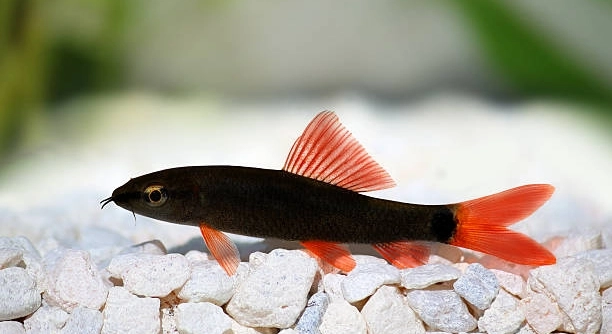
Rainbow sharks are popular aquarium fish known for their sleek shape and vibrant colors. Many fish lovers enjoy watching them swim, but these fish need enough room to thrive and stay healthy. Space is important for their well-being.
Rainbow sharks require ample swimming space to prevent stress and aggressive behavior. Limited tank size restricts their movement, leading to poor health and increased territorial disputes. Providing sufficient space is essential for maintaining their physical and mental condition.
Recognizing the signs of limited space can help improve your rainbow shark’s environment and overall quality of life.
Signs of Stress and Aggression
When rainbow sharks don’t have enough space, they often show signs of stress and aggression. You might notice them chasing other fish or hiding more than usual. They can become restless and swim erratically. These behaviors happen because they feel trapped in a small area and want to protect their territory. Stress can also weaken their immune system, making them more prone to illness. It’s important to watch for these signs early to avoid serious health problems.
Stress from cramped spaces can cause rainbow sharks to fight more often.
Aggressive behavior is a clear indicator that your fish needs a larger tank. It’s common to see fin nipping or chasing, which harms other fish and disrupts the tank’s balance. If the tank is too small, your rainbow shark feels cornered and can’t escape threats or explore freely. Providing a spacious environment allows them to establish boundaries without constant conflict. This leads to calmer behavior and a healthier aquarium overall.
Lack of Proper Swimming Area
Rainbow sharks need plenty of room to swim. A cramped tank limits their natural movement and exercise. Without enough space, they become lethargic and lose interest in their surroundings. This can cause physical problems like weakened muscles and poor growth. A spacious tank encourages natural behaviors like exploring and patrolling, which keeps them active and healthy. Keeping your rainbow shark in a larger tank improves its quality of life significantly.
Reduced Appetite and Weight Loss
When rainbow sharks don’t have enough space, their appetite can decrease. They might eat less or ignore food completely. This change often happens because stress or discomfort affects their desire to eat.
Reduced swimming space can cause stress, which directly impacts feeding behavior. A cramped tank means less opportunity for natural activity, leading to lower energy needs and less hunger. Additionally, aggressive tank mates in a small space can intimidate the fish, making it reluctant to eat. Without enough room, your rainbow shark might also struggle to reach food if other fish are more dominant. Monitoring feeding habits is essential, as consistent weight loss may signal a need for a larger tank and a more peaceful environment.
Proper nutrition is vital for health, and lack of space often disrupts normal feeding routines. Ensuring enough space helps maintain appetite and supports steady growth.
Faded Color and Poor Health
Limited space often causes rainbow sharks to lose their bright colors. Stress weakens their immune system, making them more prone to disease. A lack of room also reduces water quality, further harming their health.
A small tank quickly accumulates waste, leading to poor water conditions. This environment stresses the fish and causes dull coloring. When confined, rainbow sharks cannot swim freely or rest properly, both necessary for maintaining vibrant colors. Illnesses like fin rot and fungal infections become more common in overcrowded tanks. Without enough space, recovery is harder, and long-term health declines. Maintaining a clean, spacious tank supports both physical health and vibrant coloration.
Providing proper tank size and good water conditions helps keep your rainbow shark looking healthy and colorful.
Erratic Swimming Patterns
Rainbow sharks confined to small tanks often swim erratically. They may dart quickly or bump into decorations, showing signs of discomfort.
Such behavior is a reaction to stress and limited space. It indicates they are trying to find a way out or cope with their environment.
Constant Hiding
When space is limited, rainbow sharks hide more than usual. They feel unsafe and try to avoid other fish or stressful situations.
Hiding reduces their activity and can lead to poor health over time. A bigger tank allows them to explore without fear, improving their well-being.
Frequent Fin Damage
Fin damage is common in overcrowded tanks. Limited space causes sharks to accidentally injure their fins on tank objects or during fights with other fish.
Importance of Tank Size
A proper tank size gives rainbow sharks room to swim freely and express natural behaviors. Space reduces stress and aggression while supporting overall health.
FAQ
How much space does a rainbow shark need?
Rainbow sharks need at least a 55-gallon tank to thrive comfortably. This size gives them enough room to swim freely and establish territories. Smaller tanks can cause stress and aggressive behavior because the fish feel cramped and threatened. Providing plenty of space is key to their health and happiness.
Can a rainbow shark live in a community tank?
Yes, but only if the tank is large enough and the other fish are peaceful. Rainbow sharks can be territorial, especially in small spaces. They do best with tank mates that are not aggressive or too small. A spacious tank helps reduce conflicts and allows all fish to coexist peacefully.
What happens if my rainbow shark is too aggressive?
Aggression usually signals a lack of space or stress. When rainbow sharks feel crowded, they may chase or nip at other fish. This behavior can injure tank mates and cause constant stress. Increasing tank size or rearranging decorations to create hiding spots can help reduce aggression.
How can I tell if my rainbow shark is stressed?
Signs of stress include hiding more than usual, erratic swimming, loss of appetite, and faded colors. Stress weakens their immune system, making them vulnerable to disease. Watching for these changes early lets you take action before the problems worsen.
Is a small tank harmful to rainbow sharks?
Yes, small tanks limit movement and increase stress. Overcrowding also causes poor water quality, which affects their health. A cramped environment can lead to illness, behavioral problems, and a shorter lifespan. Investing in a larger tank helps prevent these issues.
What should I do if my rainbow shark is not eating?
First, check water quality and tank size. Poor conditions or stress often cause loss of appetite. Ensure the tank is clean and large enough. You can also try offering different foods, like sinking pellets or live food, to stimulate interest. If the problem continues, consult a vet experienced with fish.
How often should I clean the tank?
Regular cleaning is important to keep water quality high. Partial water changes of 20-30% weekly help remove waste and toxins. Cleaning filters and removing uneaten food also prevent buildup. Clean water reduces stress and supports your rainbow shark’s health.
Can tank decorations affect my rainbow shark?
Yes, decorations that take up too much space can make the tank feel smaller. Sharp or rough objects can injure fins during swimming or fights. Choose smooth decorations that provide hiding places but don’t crowd the tank. Proper decoration helps create a safe, comfortable environment.
Do rainbow sharks need hiding spots?
Absolutely. Even though they swim actively, rainbow sharks appreciate places to retreat when stressed. Plants, caves, or smooth rocks offer security. Hiding spots reduce aggression by allowing the fish to escape from others and relax.
What’s the best way to reduce aggression in my tank?
Increasing tank size is the most effective way. Adding decorations and hiding places also helps break up territories and lowers tension. Avoid overcrowding and choose peaceful tank mates. A well-planned environment encourages calmer behavior.
Can I keep more than one rainbow shark in the same tank?
It’s generally not recommended unless the tank is very large, ideally over 75 gallons. Rainbow sharks are territorial and may fight when space is limited. If kept together, monitor their behavior closely and provide plenty of hiding spots to reduce conflicts.
How long do rainbow sharks typically live?
With proper care and enough space, rainbow sharks can live up to 8-10 years. Tank size, water quality, diet, and stress levels all influence their lifespan. Giving them a suitable environment helps ensure they live a full, healthy life.
Providing enough space for your rainbow shark is one of the most important things you can do as an owner. These fish need room to swim freely and feel secure. Without enough space, they can become stressed, aggressive, or unhealthy. Many problems like poor appetite, faded colors, or strange behavior often come from keeping them in tanks that are too small. Making sure your fish has a proper home helps avoid these issues and keeps your rainbow shark happy.
A tank that is too small limits your fish’s natural behavior. Rainbow sharks enjoy swimming around and exploring their environment. When they do not have enough room, they may swim erratically or hide all the time. These signs show that the fish is uncomfortable. Stress can also lower their immune system and make them more likely to get sick. Giving your rainbow shark enough space allows it to live a healthier and longer life. You will notice better behavior and brighter colors when the tank is right-sized.
It is also important to keep the tank clean and provide hiding spots. Even with a large tank, poor water quality can cause health problems. Regular water changes and cleaning help maintain a good environment. Decorations and plants that do not crowd the space give your fish places to feel safe. This reduces stress and aggression toward other fish. Overall, the well-being of your rainbow shark depends on how much space and care you provide. Paying attention to their needs will make a big difference in their life.

Hello,
If you enjoy the content that we create, please consider saying a "Thank You!" by leaving a tip.
Every little bit helps us continue crafting quality advice that supports the health, happiness, and well-being of pets around the world, for pets of all shapes, sizes, and species.
We really appreciate the kindness and support that you show us!