
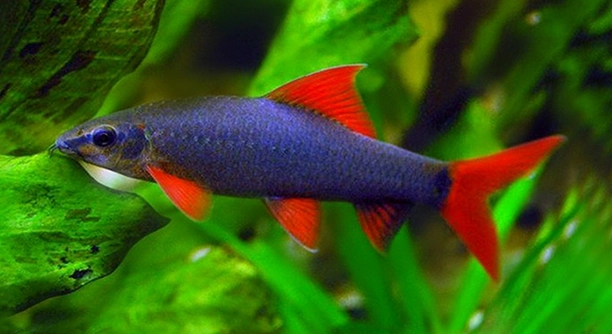
Are your rainbow sharks showing signs of stress or discomfort in their tank? Keeping these fish healthy requires careful attention to their behavior and environment. Recognizing early signs can prevent long-term harm and improve their well-being.
Rainbow sharks that are uncomfortable often display unusual swimming patterns, loss of appetite, faded colors, and excessive hiding. These signs indicate stress caused by poor water quality, inappropriate tank size, or incompatible tank mates, which must be addressed promptly to ensure fish health.
Identifying these warning signs early will help maintain a balanced and healthy aquarium environment for your rainbow shark’s comfort and longevity.
Erratic Swimming Behavior
Rainbow sharks that are uncomfortable often swim erratically or dart around the tank. You might notice sudden bursts of speed followed by long periods of resting or hiding. This behavior can be a sign of stress caused by poor water conditions, overcrowding, or lack of hiding spaces. Sometimes, aggressive tank mates can cause your rainbow shark to feel threatened, leading to these irregular movements. Additionally, if the tank is too small, the fish may struggle to swim freely, increasing its anxiety. Monitoring the tank setup and ensuring your rainbow shark has enough space and calm surroundings can reduce this erratic behavior. Providing hiding spots like caves or plants can also help your fish feel more secure and comfortable in its environment.
Erratic swimming is a clear signal that your rainbow shark may be uncomfortable or stressed and requires immediate attention.
Watching your fish swim calmly and naturally is an indicator of a healthy and well-adjusted rainbow shark. Addressing environmental factors can restore normal swimming patterns and improve overall well-being.
Loss of Appetite and Fading Color
Loss of appetite and fading color are common signs that your rainbow shark is not comfortable. When stressed, the fish may stop eating regularly, which can lead to weight loss and weakened immunity. Faded or dull colors suggest that the fish is under stress or not thriving in its environment. Poor water quality, wrong water temperature, or inadequate nutrition can cause these symptoms. Checking water parameters regularly, including pH, ammonia, nitrites, and nitrates, ensures the tank remains safe. A balanced diet with high-quality fish food tailored to rainbow sharks is essential. Ensuring proper lighting and tank decoration can also help your fish maintain its vibrant colors. Consistent care and observation are crucial to prevent prolonged discomfort and health issues.
Excessive Hiding
Excessive hiding is a common sign your rainbow shark feels unsafe or stressed. When a fish spends too much time out of sight, it may indicate discomfort in its environment.
Hiding can result from aggressive tank mates or sudden changes in the tank setup. If your rainbow shark feels threatened or overwhelmed, it will seek shelter to avoid conflict. Lack of adequate hiding spots can increase stress, so adding caves, plants, or decorations can provide comfort. However, if hiding persists despite these efforts, it may signal poor water conditions or illness. Observing your fish’s behavior closely helps identify the root cause.
Sometimes, even minor disturbances like loud noises or vibrations can cause your fish to hide more. Maintaining a calm and stable environment supports your rainbow shark’s comfort and reduces excessive hiding.
Inappropriate Tank Conditions
Tank conditions that don’t meet the needs of rainbow sharks cause stress and discomfort. Maintaining proper water temperature, filtration, and cleanliness is essential for their health and happiness.
Water temperature between 72°F and 79°F is ideal for rainbow sharks. Temperatures outside this range can weaken their immune system and cause stress. A strong filtration system is necessary to keep the water clean and free of harmful toxins. Regular water changes help maintain quality and prevent buildup of ammonia and nitrates. Overcrowding can also worsen water quality and increase stress levels, so tank size should be at least 30 gallons for one rainbow shark.
Proper lighting and a stable environment without frequent disruptions are equally important. Keeping these conditions consistent promotes a healthy and comfortable habitat for your rainbow shark to thrive.
Aggression from Tank Mates
Aggressive tank mates can cause your rainbow shark to become stressed and withdrawn. Constant bullying or chasing makes the fish feel unsafe.
This stress often leads to hiding, erratic swimming, or loss of appetite. Choosing compatible species helps maintain a peaceful tank environment where your rainbow shark can thrive.
Poor Water Quality
Poor water quality is one of the most common reasons for discomfort in rainbow sharks. High ammonia, nitrite, or nitrate levels damage their health and cause stress. Regular testing and maintenance of water parameters are essential to prevent these issues and ensure a stable environment.
Inadequate Tank Size
A tank that is too small limits swimming space and increases stress for rainbow sharks. Providing at least 30 gallons per fish allows them to swim freely and reduces aggressive behaviors. This space is vital for their well-being and comfort.
Signs of Illness
How can I tell if my rainbow shark is stressed?
Signs of stress in rainbow sharks include erratic swimming, hiding excessively, loss of appetite, and faded colors. You may also notice them rubbing against objects or gasping at the water surface. These behaviors often indicate poor water quality, unsuitable tank conditions, or aggressive tank mates. Monitoring these signs early helps prevent serious health problems.
What water parameters are best for rainbow sharks?
Rainbow sharks thrive in water temperatures between 72°F and 79°F. The pH should be maintained around 6.5 to 7.5. Ammonia and nitrite levels must be zero, while nitrates should remain below 20 ppm. Regular testing and water changes are necessary to keep these parameters stable, ensuring a healthy environment.
Why does my rainbow shark hide all the time?
Excessive hiding usually means the fish feels threatened or stressed. Aggressive tank mates, sudden changes in the tank, or lack of hiding places can cause this. Providing adequate shelter and ensuring peaceful tankmates help reduce hiding behavior and promote comfort.
Can tank size affect my rainbow shark’s health?
Yes. Rainbow sharks need a minimum tank size of 30 gallons to swim freely. Smaller tanks cause stress due to limited space and poor water quality from overcrowding. Adequate space is essential for their physical and mental health.
What foods are best for rainbow sharks?
Rainbow sharks are omnivores and require a balanced diet. High-quality sinking pellets formulated for bottom dwellers, supplemented with live or frozen foods like bloodworms, brine shrimp, and vegetables, keep them healthy. Avoid overfeeding to maintain water quality.
How often should I clean my rainbow shark’s tank?
Partial water changes of 25-30% should be done weekly to maintain water quality. Regular gravel vacuuming and filter maintenance help remove waste and prevent toxin buildup. Consistent cleaning reduces stress and supports fish health.
What are common diseases in rainbow sharks?
Common diseases include ich (white spot disease), fin rot, and fungal infections. Symptoms include white spots, ragged fins, lethargy, and loss of appetite. Quarantine new fish and maintain good water quality to prevent outbreaks. Early treatment improves recovery chances.
Can rainbow sharks live with other fish?
They can coexist with peaceful, similarly sized fish but tend to be territorial. Avoid aggressive or very small species that might be bullied. Proper tank size and hiding spots reduce conflicts and create a balanced community tank.
Why is my rainbow shark’s color fading?
Fading color often signals stress or illness. Causes include poor water quality, inadequate diet, or unsuitable lighting. Addressing these factors and improving the tank environment usually restores their vibrant colors.
Is it normal for rainbow sharks to be active mostly at night?
Rainbow sharks are naturally more active during dawn and dusk but can adjust to a daytime schedule in home aquariums. Sudden changes in activity may indicate stress or discomfort. Maintaining stable tank conditions encourages normal behavior.
When caring for a rainbow shark, paying attention to its behavior is important. Signs such as erratic swimming, hiding too much, loss of appetite, or faded colors usually point to discomfort or stress. These signs should not be ignored because they often indicate problems with the tank environment or health issues. Taking quick action can prevent these problems from worsening and help your fish recover faster. Simple steps like checking water quality, ensuring enough space, and choosing peaceful tank mates can make a big difference in your rainbow shark’s comfort.
Maintaining proper tank conditions is one of the most important factors in keeping your rainbow shark healthy. The water temperature, pH level, and cleanliness should be monitored regularly. A stable and clean environment reduces stress and lowers the risk of disease. The tank size should also be large enough to give your fish plenty of room to swim freely. Overcrowding can cause aggression and poor water quality, both of which are harmful to rainbow sharks. Adding hiding places like plants or decorations helps your fish feel safe and less stressed.
Feeding your rainbow shark a balanced diet is also crucial. High-quality pellets made for bottom feeders, along with occasional live or frozen foods, provide essential nutrients. Overfeeding should be avoided because it can dirty the water quickly and cause health problems. Observing your fish’s eating habits gives you insight into its well-being. When a rainbow shark is comfortable and healthy, it will swim actively, show bright colors, and eat regularly. Keeping these care practices consistent helps ensure your rainbow shark lives a long and happy life in your aquarium.

Hello,
If you enjoy the content that we create, please consider saying a "Thank You!" by leaving a tip.
Every little bit helps us continue crafting quality advice that supports the health, happiness, and well-being of pets around the world, for pets of all shapes, sizes, and species.
We really appreciate the kindness and support that you show us!