
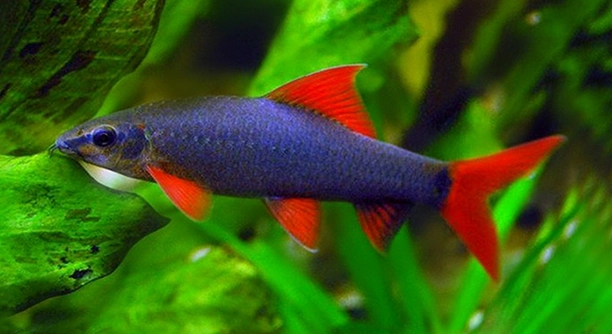
Rainbow Sharks are popular aquarium fish known for their vibrant colors and active nature. When introduced to a new tank, they may face challenges adjusting to the environment. Watching their behavior closely can help ensure they settle in well and stay healthy.
Rainbow Sharks may show signs like hiding excessively, reduced appetite, erratic swimming, color fading, fin damage, gasping at the surface, or aggression toward tank mates. These indicators suggest stress and difficulty adapting to their new surroundings.
Recognizing these signs early allows you to take steps that support your fish’s well-being and help create a peaceful tank environment.
Excessive Hiding and Shy Behavior
When a Rainbow Shark spends most of its time hiding, it usually means it is feeling stressed or unsafe in the new tank. This behavior often occurs when the tank environment is unfamiliar or too bright. It may also happen if the fish feels threatened by other tank mates. A stressed Rainbow Shark will hide behind decorations, plants, or inside caves for long periods, avoiding interaction. This can affect its health because it might not eat enough or get the exercise it needs. Watching your fish’s hiding habits closely can help you understand how comfortable it feels. Adjusting the tank lighting, rearranging decorations, or providing more hiding spots may help your Rainbow Shark feel more secure.
Shy behavior is a clear sign that the fish is not fully comfortable. It’s important to make changes so the fish feels safer and begins exploring more.
Improving the tank environment by adding plants or dimming lights helps reduce stress. It encourages the Rainbow Shark to swim freely and eat well, which supports its overall health and adjustment.
Loss of Appetite
A Rainbow Shark that is not eating well is likely experiencing stress or illness related to the new tank. Loss of appetite can happen for several reasons, including water quality issues, unfamiliar food, or competition from other fish. When a fish stops eating, it loses energy and may become weak, which slows down its adjustment process. It is important to offer familiar foods and feed small amounts regularly to encourage eating. Checking water parameters such as temperature, pH, and ammonia levels also helps ensure the tank is suitable. Sometimes, isolating the fish in a quiet tank can improve its appetite.
Feeding small portions of favorite foods daily helps restore the fish’s energy. Monitoring its eating habits closely is key during the first weeks after moving.
Poor appetite affects Rainbow Sharks’ immune systems, making them more vulnerable to disease. Consistent feeding and clean water help the fish regain strength and settle into its new home faster. Patience and care during this time can make a big difference in recovery.
Erratic Swimming Patterns
Erratic swimming is a common sign of stress in Rainbow Sharks. This includes sudden darting, crashing into tank walls, or swimming in circles. Such behavior can indicate poor water quality, illness, or discomfort with tank mates.
Poor water conditions, such as high ammonia or nitrite levels, often cause erratic swimming. When these chemicals build up, they irritate the fish’s gills and nervous system. The Rainbow Shark may also swim erratically if it is trying to escape aggressive tank mates or if the tank is too small for its activity needs. Observing your fish’s swimming behavior closely and testing the water regularly helps identify problems early. Making necessary changes, like cleaning the tank or rearranging decorations, can calm the fish.
Sometimes, erratic swimming comes from parasites or infections. In these cases, treating the fish with medication prescribed for your specific issue can improve its movement. Proper care and monitoring help the Rainbow Shark adjust smoothly.
Fading Color and Dull Appearance
Fading color is a warning sign that your Rainbow Shark is under stress or unhealthy. When a fish loses its vibrant hues, it often reflects poor water quality, illness, or poor nutrition. This dull look can also occur if the fish feels threatened or scared in its new environment.
Color loss may happen quickly after moving to a new tank. Stress causes the fish to conserve energy and reduces its ability to show bright colors. A lack of proper diet with sufficient vitamins and minerals can also cause fading. To help your Rainbow Shark regain its color, maintain clean water conditions and offer a balanced diet rich in nutrients. Avoid sudden changes in temperature or lighting, as these can increase stress.
Watching for other signs like fin damage or lethargy is important because fading color can signal bigger health issues. Addressing these concerns early supports your fish’s recovery and helps it return to its bright, healthy appearance.
Fin Damage and Fraying
Fin damage often shows when Rainbow Sharks are stressed or fighting with other fish. Torn or ragged fins can also result from poor water quality or infections. Regular tank maintenance helps prevent these issues.
Damaged fins reduce the fish’s ability to swim properly. It can also invite bacteria or fungi, making healing harder. Keeping the tank clean and providing enough space reduces fin injuries and supports quick recovery.
Gasping at the Surface
Gasping at the surface means the fish is struggling to get enough oxygen. This can happen due to low oxygen levels in the tank or poor water circulation. Increasing aeration usually helps fix this problem.
Aggression Toward Tank Mates
Rainbow Sharks may become aggressive if they feel stressed or crowded. Aggression includes chasing, nipping, or territorial behavior. Providing enough space and hiding spots helps reduce conflicts and stress in the tank.
Lethargy and Lack of Movement
Lethargy is a sign of poor health or stress. A Rainbow Shark that stays still and does not explore may be suffering from illness or bad water conditions. Monitoring and improving the tank environment supports its recovery.
FAQ
How long does it take for a Rainbow Shark to adjust to a new tank?
Rainbow Sharks usually take about two to four weeks to settle into a new tank. During this time, they may show stress signs like hiding or reduced appetite. Patience and careful tank management help them feel secure faster. Keeping water conditions stable and providing hiding spots supports their adjustment.
What water conditions are best for Rainbow Sharks?
Rainbow Sharks prefer water with a temperature between 74°F and 80°F (23°C to 27°C), a pH level around 6.5 to 7.5, and low levels of ammonia and nitrites. Clean water with good filtration and gentle water flow keeps them healthy. Regular testing and water changes are essential.
Why is my Rainbow Shark hiding all the time?
Excessive hiding usually means stress or fear. The fish might feel unsafe due to tank size, aggressive tank mates, or bright lighting. Adding plants and decorations for shelter or adjusting lighting can help the fish feel more comfortable and less threatened.
Can Rainbow Sharks live with other fish?
Rainbow Sharks can live with other fish but need careful tank mate selection. They may show aggression if the tank is overcrowded or if other fish invade their territory. Larger, peaceful fish and plenty of hiding spaces reduce conflicts and help maintain peace.
What should I feed my Rainbow Shark during adjustment?
During adjustment, offer a varied diet including sinking pellets, flakes, and occasional live or frozen foods like bloodworms or brine shrimp. Feeding small amounts multiple times a day encourages eating and supports recovery. Avoid overfeeding to keep water quality stable.
What causes fin damage in Rainbow Sharks?
Fin damage can come from rough tank mates, poor water quality, or infections. Fighting between fish or swimming into decorations may also cause torn fins. Keeping the tank clean and monitoring interactions helps prevent damage. If infection occurs, treatment with appropriate medication is necessary.
How do I know if my Rainbow Shark is stressed?
Signs of stress include hiding, loss of appetite, erratic swimming, fading color, fin damage, gasping at the surface, and aggression. Observing these behaviors and checking water parameters can help identify stress causes and guide improvements.
Is it normal for Rainbow Sharks to gasp at the surface?
Gasping often means low oxygen levels or poor water quality. It is not normal and requires action. Increasing aeration, improving filtration, and performing water changes help raise oxygen levels and improve the fish’s health.
What should I do if my Rainbow Shark is aggressive?
If aggression occurs, make sure the tank is large enough and provide hiding spots. Rearranging decorations can break territorial lines. Sometimes separating aggressive fish is needed. Reducing stress by maintaining clean water and stable conditions also helps.
Can illness cause my Rainbow Shark not to adjust?
Yes, illness can cause many adjustment problems. Parasites, bacterial infections, and fungal diseases affect behavior and health. Regular tank cleaning, quarantine of new fish, and observation help prevent illness. If symptoms appear, proper treatment is important to restore health.
How often should I test the water for my Rainbow Shark?
Testing water once or twice a week is ideal, especially during the first month after moving the fish. Check for ammonia, nitrite, nitrate, pH, and temperature. Early detection of problems allows quick fixes before stress or illness develops.
What tank size is best for a Rainbow Shark?
A minimum tank size of 30 gallons is recommended for one Rainbow Shark. Larger tanks provide more swimming space and reduce territorial aggression. A bigger tank also helps maintain water quality and supports a peaceful environment.
How can I help my Rainbow Shark feel safe?
Providing plenty of hiding places, such as caves and plants, helps the fish feel secure. Keeping the lighting moderate and avoiding sudden changes reduce stress. Also, keep a regular feeding schedule and maintain clean water to support comfort and health.
Why is my Rainbow Shark’s color fading?
Fading color often means stress, poor nutrition, or illness. Maintaining clean water, a good diet, and stable conditions helps restore vibrancy. Avoiding overcrowding and aggressive tank mates also reduces stress that dulls the fish’s colors.
What should I do if my Rainbow Shark refuses to eat?
If your fish stops eating, check water quality first. Offer favorite foods in small amounts and try live or frozen options. Isolating the fish in a quiet tank may reduce stress and improve appetite. If the problem continues, consult a vet or fish specialist.
Can changing tank decorations help a stressed Rainbow Shark?
Yes, rearranging or adding decorations can break up territorial boundaries and provide new hiding spots. This reduces stress and aggression. Plants, rocks, and caves make the tank feel safer and more interesting for the fish.
How can I prevent my Rainbow Shark from becoming aggressive?
Prevent aggression by keeping the tank large enough, avoiding overcrowding, and choosing compatible tank mates. Providing hiding spaces and maintaining stable water conditions also help reduce stress-induced aggression.
Is it normal for Rainbow Sharks to be active mostly at night?
Rainbow Sharks are naturally more active during dawn and dusk, sometimes at night. However, excessive hiding or inactivity during the day could mean stress. Ensuring a proper day-night cycle helps keep their activity balanced.
What are common diseases that affect Rainbow Sharks?
Common diseases include ich, fin rot, fungal infections, and parasites. Symptoms vary but often include color fading, fin damage, and abnormal behavior. Maintaining clean water and early treatment reduce risks.
How important is quarantine for new Rainbow Sharks?
Quarantine is very important to prevent introducing diseases into your main tank. Keeping new fish isolated for 2–4 weeks helps detect illness and reduces stress on both new and existing fish.
What role does tank maintenance play in Rainbow Shark health?
Regular cleaning, water changes, and filter checks keep water quality high and prevent buildup of harmful chemicals. Good maintenance reduces stress and illness, helping your Rainbow Shark thrive in its new home.
Adjusting to a new tank can be challenging for Rainbow Sharks, and it’s normal to see signs of stress at first. Watching your fish closely helps you understand how well it is adapting. Signs like hiding, fading color, or loss of appetite show that the fish needs more time or a better environment. Keeping water clean, providing enough space, and offering hiding places are important steps to help your Rainbow Shark feel safe. Patience is key, as it can take several weeks for the fish to fully settle in.
Taking care of water quality is one of the most important parts of helping your Rainbow Shark adjust. Regular testing and water changes keep the environment healthy and reduce stress. Stable temperature and pH levels make the tank comfortable for your fish. If you notice any unusual behavior or physical changes, checking the water is a good first step. Proper filtration and avoiding overcrowding also improve your Rainbow Shark’s chances of a smooth adjustment. When you maintain a clean tank, you protect your fish from illness and support its overall health.
Remember that each Rainbow Shark is different, and some may take longer to feel comfortable than others. Changes like rearranging decorations or adding plants can make a big difference in how safe your fish feels. Feeding the right foods in small amounts and watching for signs of stress can guide you in making the best choices. If problems continue, seeking advice from an expert can help you find solutions. Giving your Rainbow Shark the right care and attention will help it become a healthy and lively part of your aquarium.

Hello,
If you enjoy the content that we create, please consider saying a "Thank You!" by leaving a tip.
Every little bit helps us continue crafting quality advice that supports the health, happiness, and well-being of pets around the world, for pets of all shapes, sizes, and species.
We really appreciate the kindness and support that you show us!