
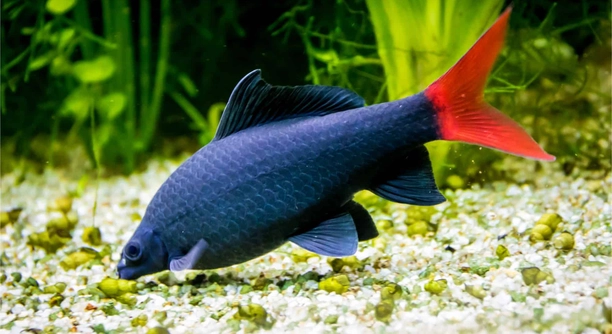
Rainbow sharks are popular aquarium fish known for their striking colors and active behavior. Many fishkeepers notice changes in their rainbow sharks’ behavior when they enter breeding mode. Recognizing these signs helps in providing the right care and environment.
Rainbow sharks show specific breeding behaviors such as increased territoriality, more frequent fin flaring, digging in the substrate, and changes in coloration. These signs indicate the fish is ready to reproduce and may require adjustments in tank conditions to support breeding.
Knowing these signs can improve your experience caring for rainbow sharks and help maintain a healthy aquarium environment.
Increased Territorial Behavior
When a rainbow shark is in breeding mode, it becomes more territorial than usual. You may notice it chasing away other fish or guarding a particular area of the tank. This behavior is natural as the fish prepares a space to lay eggs. The fish might even seem more aggressive, especially toward similar species or those that enter its chosen spot. This change can be subtle or quite noticeable depending on the individual fish. It’s important to give the shark enough space and minimize stress from tank mates during this time. Keeping the environment calm helps reduce conflicts and supports the fish’s breeding efforts. Watching this behavior can give you clear clues about your rainbow shark’s reproductive state, making it easier to provide the right care.
This increased guarding helps protect potential eggs and ensures the breeding site remains undisturbed by other fish.
Keeping your tank organized with hiding spots and clear boundaries can help manage territorial disputes and create a safer environment for breeding.
Changes in Coloration
Color changes are a key sign your rainbow shark is ready to breed. The fish often becomes brighter or more vivid, especially along its fins and body. This boost in color signals readiness to attract a mate. These shifts are temporary and usually last only as long as the breeding period. The change can be quite striking compared to the fish’s usual colors. It is a natural way of communication within the species. Monitoring these color shifts helps you track when breeding might occur, so you can adjust lighting and tank conditions. Proper care during this time supports the fish’s health and breeding success.
Increased Fin Flaring
Fin flaring happens when your rainbow shark spreads its fins wide. This behavior is a clear sign the fish is trying to appear larger and more dominant. It usually occurs during breeding as part of courtship or territorial display.
The shark flares its fins to warn other fish to stay away from its chosen area. This is a way of protecting potential eggs and showing strength to potential mates. You might notice the dorsal and pectoral fins becoming more pronounced during these moments. Watching for fin flaring helps confirm breeding readiness without disturbing the fish too much.
If fin flaring seems constant or aggressive, consider giving your rainbow shark more space or adjusting tank mates. This helps reduce stress and supports successful breeding. Maintaining a peaceful environment allows the fish to display natural behaviors more comfortably.
Substrate Digging
Substrate digging is common when a rainbow shark prepares a place for laying eggs. The fish will dig or move gravel around to create a suitable spot. This behavior signals active breeding preparation.
Digging serves to clean the area or expose a flat surface where eggs can stick. It may look like the fish is restless or constantly moving gravel. Providing a fine, soft substrate makes this easier and less stressful. If the substrate is too rough or large, digging can become difficult, causing frustration.
Observing digging closely lets you know when breeding is near. Supporting this behavior by offering the right substrate type encourages successful egg-laying. Be mindful of tank decorations that might block or disturb digging spots. Creating a safe and comfortable space helps your rainbow shark follow its natural breeding instincts.
Reduced Appetite
Rainbow sharks often eat less when they enter breeding mode. This drop in appetite is normal and usually temporary. It happens because the fish is focused on preparing for spawning rather than feeding.
While the appetite decreases, make sure the fish still has access to food. Offering small, nutritious meals can help keep energy levels stable during this time.
Nest Guarding
Once eggs are laid, the rainbow shark becomes protective of the nest area. It stays close, guarding the eggs from other fish or disturbances. This behavior ensures the safety and survival of the offspring.
Nest guarding can last for several days until the eggs hatch. During this period, the fish may become more aggressive toward tank mates to keep the area secure. Providing hiding spots helps reduce stress for all fish in the tank.
Restless Swimming
Restless swimming is a sign that your rainbow shark is in breeding mode. The fish moves frequently around the tank, searching for the ideal spot or mate. This increased activity is a natural part of the breeding process.
How can I tell if my rainbow shark is actually breeding or just acting territorial?
Territorial behavior and breeding behavior can look similar in rainbow sharks, but there are clear differences. When breeding, the fish will not only guard a spot but also show fin flaring, digging in the substrate, and changes in color. Territorial aggression without these signs usually means the fish is simply defending its space. Watching for multiple behaviors together helps confirm breeding activity.
What should I do if my rainbow shark becomes aggressive during breeding?
Aggression increases during breeding, especially toward other fish near the nesting site. To reduce stress, ensure the tank has plenty of hiding places and enough space for all fish. Sometimes, temporarily separating aggressive fish or rearranging decorations to break up sight lines can help calm tensions. Avoid overfeeding or sudden changes, as stress can worsen aggression.
Is it normal for rainbow sharks to stop eating when breeding?
Yes, it is common for rainbow sharks to eat less during breeding. Their focus shifts to courtship and preparing a spawning site. Offer small amounts of high-quality food to keep energy levels up without overfeeding. If the appetite does not return after a week, check water quality and health for other issues.
How long does the breeding process usually last?
Breeding behaviors such as territoriality, fin flaring, and digging can last from several days up to two weeks. After eggs are laid, nest guarding continues for about 3 to 5 days until eggs hatch. Overall, the entire process may take around two weeks, depending on the tank conditions and the fish’s health.
Can rainbow sharks breed in a community tank?
Breeding in community tanks is possible but challenging. Other fish may stress the breeding pair or eat the eggs. To increase chances, provide plenty of hiding spots and separate areas for the rainbow shark to claim. Sometimes, moving the pair to a breeding tank creates a safer, more controlled environment.
What kind of environment helps rainbow sharks breed successfully?
A well-maintained tank with clean water, stable temperature, and soft substrate encourages breeding. Provide hiding spots and flat surfaces for egg-laying. Moderate lighting and a peaceful atmosphere reduce stress. Consistent feeding of quality foods supports the fish’s health and readiness to breed.
Do rainbow sharks care for their eggs or fry?
Rainbow sharks guard their eggs until they hatch but do not care for the fry after hatching. Once the fry become free-swimming, they are usually left to fend for themselves. It’s important to provide hiding places for fry to avoid being eaten by other tank mates.
How can I increase the chances of successful breeding?
Maintain excellent water quality and stable temperature around 75–82°F (24–28°C). Feed a varied diet rich in protein. Reduce stress by limiting disturbances and aggressive tank mates. Provide suitable substrate and nesting sites. Monitoring behavior closely helps you adjust conditions quickly to support breeding success.
What should I feed rainbow shark fry?
Fry need very small foods like infusoria or commercially available liquid fry food at first. After a few days, they can eat baby brine shrimp or finely crushed flakes. Feeding small amounts multiple times daily encourages healthy growth. Clean the tank regularly to prevent leftover food from polluting the water.
Can breeding cause health problems for rainbow sharks?
Breeding itself doesn’t cause health problems but can increase stress and aggression, which may lead to injury or illness. Ensuring good water quality, a calm environment, and proper nutrition helps reduce risks. Watch for signs of infection or damage, and separate injured fish if needed for recovery.
Understanding the signs that your rainbow shark is in breeding mode can make a big difference in how you care for your fish. When these fish begin showing behaviors like increased territoriality, fin flaring, substrate digging, and changes in color, it means they are preparing to reproduce. Recognizing these signs early allows you to adjust tank conditions to support their natural needs. Providing enough space, proper hiding spots, and clean water can help the breeding process go smoothly. It also helps keep the fish less stressed and healthier during this busy time.
Breeding rainbow sharks can sometimes bring challenges. The fish may become more aggressive or eat less, and eggs or fry may need special care to survive in a community tank. It is important to create an environment that balances the needs of the breeding fish with those of other tank mates. You may want to rearrange decorations or add more hiding places to reduce conflicts. Monitoring the fish closely during breeding also helps you respond quickly if problems arise. Taking these steps will improve the chances of successful breeding and healthy offspring.
Breeding rainbow sharks is a rewarding experience but requires patience and attention. Knowing how your fish behaves during breeding and supporting those behaviors with a well-maintained tank is key. Always keep water conditions stable and provide quality food to keep your rainbow shark in good health. While the breeding process takes time, the results can be very satisfying for any fish keeper. Observing your rainbow shark’s natural instincts and providing a calm environment will help you care for these beautiful fish in their most important moments.

Hello,
If you enjoy the content that we create, please consider saying a "Thank You!" by leaving a tip.
Every little bit helps us continue crafting quality advice that supports the health, happiness, and well-being of pets around the world, for pets of all shapes, sizes, and species.
We really appreciate the kindness and support that you show us!