
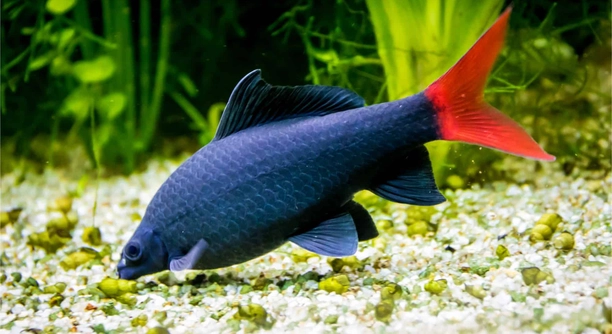
Rainbow sharks are popular freshwater fish known for their striking colors and active behavior. Many aquarium owners enjoy keeping them, but it is important to recognize when these fish are content in their environment. Knowing the signs of happiness helps maintain their health and well-being.
A happy rainbow shark typically exhibits bright coloration, smooth swimming patterns, and active exploration of its tank. It will show regular feeding habits, minimal hiding, and peaceful interaction with tank mates. Proper water quality and tank size also contribute to its overall comfort and vitality.
Recognizing these signs can improve care and ensure your rainbow shark thrives in its aquatic home. The following points highlight clear indicators of your fish’s happiness.
Bright and Vibrant Colors
A rainbow shark’s color is one of the clearest signs of its health and happiness. When the fish is content, its colors appear bright and vibrant, showing rich reds, blues, and blacks. Dull or faded colors can indicate stress or illness. Maintaining proper water conditions, such as stable temperature and clean water, helps preserve its natural coloration. Overcrowding or aggressive tank mates may also cause color fading. Regular feeding with a balanced diet supports the fish’s overall vitality and color intensity. When your rainbow shark swims with its colors glowing, it is a positive sign of comfort and well-being in its tank.
Healthy coloration reflects the fish’s good physical state and mental calmness, which is vital for its long-term survival.
The rainbow shark’s color depends largely on its environment. Factors such as water quality, diet, and tank size directly influence the vibrancy of its scales. A well-maintained tank with proper lighting helps the colors stand out. Feeding your fish varied foods rich in nutrients also plays a key role. Stress from overcrowding or incompatible tank mates causes dullness. Observing your fish’s colors daily can help you catch early signs of discomfort. Maintaining consistent care ensures your rainbow shark’s colors remain bright, signaling happiness and good health.
Active and Smooth Swimming
Active swimming is a clear indicator that your rainbow shark feels secure in its environment. When the fish moves smoothly and explores different parts of the tank, it shows comfort and curiosity. Lethargy or erratic swimming may suggest stress or illness. Healthy rainbow sharks will swim at different depths and sometimes interact with tank decorations. Avoid sudden changes in water parameters to keep their swimming behavior normal. Providing hiding spots and enough space helps encourage natural activity. The way your fish moves reflects its emotional state, so paying attention to swimming patterns is important to gauge happiness.
Maintaining stable tank conditions and offering a balanced diet are key to promoting active, healthy swimming behavior in your rainbow shark.
Regular Feeding Habits
A rainbow shark that eats consistently and eagerly is likely happy and healthy. Skipping meals or refusing food can be a sign of stress or illness.
Proper feeding involves offering a balanced diet including pellets, flakes, and occasional live or frozen foods. Feeding small amounts multiple times a day prevents overfeeding and keeps water quality stable. Watching how your fish responds during feeding times gives insight into its well-being. A happy rainbow shark approaches food quickly and shows interest in eating.
It is important to adjust feeding amounts based on the size of the tank and the number of fish. Overfeeding can lead to poor water conditions, while underfeeding weakens the fish. Maintaining a regular feeding schedule helps the fish feel secure and supports its health. Monitoring feeding habits allows early detection of problems, helping you take timely action to maintain your fish’s happiness.
Minimal Hiding Behavior
Rainbow sharks that spend most of their time hiding may feel stressed or unsafe. Limited hiding suggests the fish is comfortable with its surroundings.
Hiding can be caused by aggressive tank mates, poor water quality, or insufficient space. A happy rainbow shark will explore openly and rest occasionally in safe spots without constant concealment. Providing adequate hiding places while ensuring peaceful tank conditions reduces stress. Watching your fish’s behavior helps identify if it feels secure.
Reducing hiding behavior involves keeping the tank clean, maintaining stable water parameters, and avoiding overcrowding. Peaceful community fish improve social balance. When your rainbow shark is visible and active, it indicates trust in its environment and good mental health. Creating a calm and balanced tank atmosphere helps minimize hiding and encourages natural behavior.
Peaceful Interaction with Tank Mates
A rainbow shark that coexists calmly with other fish is likely content in its environment. Aggressive behavior or constant chasing often signals stress.
When your rainbow shark maintains peaceful relations, it shows good social adjustment and comfort. Proper tank size and compatible species promote harmony and reduce conflict.
Proper Tank Size and Environment
Adequate space is essential for rainbow sharks to swim freely and display natural behaviors. A tank smaller than 30 gallons restricts movement and may cause stress. Including hiding spots and smooth substrate supports their comfort. Proper filtration and regular water changes maintain water quality, preventing toxic buildup. Balanced lighting and temperature mimic their natural habitat, encouraging normal activity. When the tank is well-maintained, rainbow sharks show more vibrant colors and better health overall.
Stable Water Quality
Consistent water parameters keep your rainbow shark healthy and happy. Frequent testing helps detect changes early.
FAQ
How often should I feed my rainbow shark?
Feeding your rainbow shark once or twice daily is generally sufficient. Provide only as much food as the fish can consume within a few minutes to avoid overfeeding. Overfeeding can lead to poor water quality and health problems. A balanced diet with pellets, flakes, and occasional live or frozen foods supports good nutrition and happiness.
What tank size is ideal for a rainbow shark?
A minimum tank size of 30 gallons is recommended for a single rainbow shark. This size allows enough swimming space and reduces territorial aggression. Larger tanks provide better water stability and room for tank mates. Overcrowding leads to stress and hiding behaviors.
Can rainbow sharks live with other fish?
Yes, rainbow sharks can live with other fish, but compatibility is important. Choose peaceful species that occupy different parts of the tank. Avoid aggressive or very small fish that may be bullied. Providing enough space and hiding places minimizes conflicts.
How do I know if my rainbow shark is stressed?
Signs of stress include faded colors, hiding excessively, erratic swimming, and loss of appetite. Poor water conditions, overcrowding, or aggressive tank mates are common causes. Regular water testing and tank maintenance help prevent stress.
What water parameters do rainbow sharks need?
Rainbow sharks thrive in temperatures between 72°F and 79°F (22°C to 26°C). The pH should be neutral to slightly acidic, around 6.5 to 7.5. Ammonia and nitrite levels must be at zero, while nitrate should be kept low with regular water changes. Stable parameters support fish health and happiness.
How often should I clean the tank?
Partial water changes of 20-25% every week or two are ideal. Cleaning the substrate and filter regularly prevents waste buildup and maintains water quality. Avoid full water changes that can shock the fish. Consistent cleaning routines help your rainbow shark thrive.
What should I do if my rainbow shark is hiding too much?
Excessive hiding can indicate stress, illness, or poor tank conditions. Check water parameters and look for signs of illness. Ensure there is enough space and peaceful tank mates. Adding hiding spots is good, but the fish should also feel safe enough to explore regularly.
Can rainbow sharks be aggressive?
Rainbow sharks have territorial tendencies, especially in small or crowded tanks. Aggression is usually reduced with adequate space and compatible tank mates. Monitoring behavior and separating aggressive fish if needed helps maintain a peaceful environment.
How long do rainbow sharks live?
With proper care, rainbow sharks can live up to 5-8 years. Their lifespan depends on good water quality, diet, and stress-free conditions. Regular maintenance and attention to their needs extend their health and happiness.
Is it normal for rainbow sharks to change color?
Some color variation can happen with age, mood, or stress. Significant fading often signals poor water quality or illness. Bright, consistent coloration indicates a healthy, happy fish. Keeping a stable environment prevents unwanted changes.
Final thoughts on caring for your rainbow shark focus on providing a stable and comfortable environment. Keeping the tank clean and maintaining proper water conditions are essential steps. Regularly testing water parameters such as temperature, pH, ammonia, nitrites, and nitrates will help prevent problems. A clean tank with good filtration reduces stress and supports your fish’s health. Stability in the tank environment helps your rainbow shark feel secure, which is key to its happiness.
Another important factor is offering a balanced diet suited to the rainbow shark’s needs. Feeding small amounts of quality food once or twice a day ensures your fish gets the nutrients it requires without polluting the water. Variety in food, including pellets, flakes, and occasional live or frozen treats, keeps the fish interested and healthy. Overfeeding can cause water quality issues and affect your fish’s well-being. Paying attention to feeding habits can also give early signs of health problems or stress.
Finally, observe your rainbow shark’s behavior regularly. Bright colors, smooth swimming, active exploration, and peaceful interaction with other fish all indicate contentment. If you notice changes like hiding, color fading, or lack of appetite, investigate possible causes quickly. Ensuring the tank is large enough and has suitable tank mates helps prevent aggression and stress. Taking these steps will support your rainbow shark’s long-term happiness and health in your aquarium. Consistent care and attention make all the difference in creating a positive environment for your fish.

Hello,
If you enjoy the content that we create, please consider saying a "Thank You!" by leaving a tip.
Every little bit helps us continue crafting quality advice that supports the health, happiness, and well-being of pets around the world, for pets of all shapes, sizes, and species.
We really appreciate the kindness and support that you show us!