
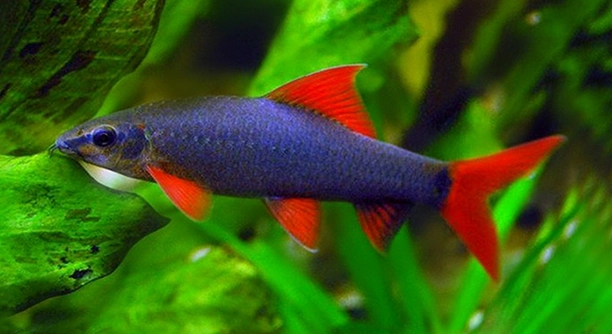
Rainbow sharks are popular freshwater fish known for their vibrant colors and active nature. They require a stable and appropriate water temperature to stay healthy. Sudden temperature drops can affect their behavior and well-being significantly.
When rainbow sharks feel too cold, they often show signs such as reduced activity, hiding more frequently, loss of appetite, and changes in coloration. Cold stress can weaken their immune system, making them more vulnerable to diseases and infections. Prompt recognition and correction of water temperature are crucial for their health.
Recognizing these signs early will help you maintain a comfortable environment for your fish. This article will guide you through the key indicators to watch for and how to respond effectively.
Reduced Activity and Lethargy
When a rainbow shark feels too cold, one of the first signs is reduced activity. Normally, these fish are quite energetic, swimming around their tank with ease. But when the water temperature drops, their metabolism slows down, making them less active and more sluggish. You might notice your shark resting on the bottom of the tank or staying in one spot for long periods. This lethargy is a direct result of the cold affecting its bodily functions, including digestion and movement. If left unaddressed, prolonged inactivity can lead to other health issues, including weakened immunity and poor growth. It’s important to monitor your fish’s activity level regularly, especially during seasonal changes or if your tank is near a drafty window or air conditioner.
Decreased activity is a clear indication that your rainbow shark is uncomfortable with the water temperature and needs warmth.
Adjusting the tank heater or relocating the aquarium to a warmer area can quickly help your fish regain energy and normal behavior.
Loss of Appetite and Feeding Issues
Loss of appetite is another common sign that your rainbow shark is feeling too cold. When the water temperature drops below the ideal range, their metabolism slows down, which reduces their need for food. You may notice your fish ignoring regular feeding times or spitting out food after attempting to eat. This behavior can be concerning because prolonged fasting weakens the fish and makes it more vulnerable to infections. Additionally, poor digestion in cold water can cause bloating or constipation. To prevent this, ensure the tank temperature stays between 74°F and 80°F, the ideal range for rainbow sharks. If you notice a loss of appetite, check your tank’s temperature first before trying other solutions. It’s also helpful to offer smaller portions of food to avoid overfeeding during recovery. Maintaining proper temperature and feeding habits will help your fish regain its appetite and strength over time.
Increased Hiding Behavior
Rainbow sharks feeling cold often hide more than usual. They may stay behind decorations or under plants, avoiding open water where they typically swim freely. This behavior is a response to discomfort and stress caused by low temperatures.
Hiding reduces their exposure to the tank’s environment, helping them conserve energy when their metabolism slows down. This change in behavior can make it harder to observe your fish and monitor its health. Over time, excessive hiding can lead to social withdrawal from other tank mates, which may disrupt the tank’s harmony. If you notice your rainbow shark spending much of its time out of sight, check the water temperature first. Keeping the tank within the proper range encourages normal activity and interaction. Providing cozy hiding spots is good, but they shouldn’t become a refuge due to stress or cold.
Consistent water temperature control helps reduce hiding and promotes a healthy, balanced environment for your rainbow shark.
Color Fading and Dullness
Cold water can cause the vibrant colors of your rainbow shark to fade noticeably. This dullness happens because low temperatures stress the fish and slow down pigment production. When the water temperature drops, the shark’s bright reds and blues may become muted or less intense, making it look pale compared to its usual vibrant self.
The fading color is a visual warning sign that your fish is uncomfortable. It’s important to address this quickly because prolonged exposure to cold can weaken the fish further. In addition to affecting colors, cold stress can reduce overall vitality, leading to sluggishness and vulnerability to illness. Maintaining stable temperatures helps keep your rainbow shark’s colors bright and its health strong. Regularly check your tank’s heater and thermometer to avoid unexpected drops. Bright colors usually return once the fish feels comfortable in warmer water again.
Gasping at the Surface
Rainbow sharks may gasp at the water surface when they feel too cold. This behavior is a sign of stress and poor oxygen absorption. Cold water holds more oxygen, but the fish’s slowed metabolism affects how it uses that oxygen.
Gasping can also result from weakened gill function due to temperature stress. It’s important to act quickly when this sign appears to prevent further health decline.
Clamped Fins
Clamped fins are a clear sign of discomfort in rainbow sharks. When too cold, they keep their fins close to their bodies instead of spreading them naturally. This behavior reduces energy use and protects delicate fin tissue.
Erratic Swimming
Erratic swimming can indicate that your rainbow shark is feeling too cold. It may dart suddenly, swim in circles, or crash into tank objects. These movements show distress and a struggle to adjust to uncomfortable temperatures.
Increased Susceptibility to Disease
Cold stress weakens the immune system of rainbow sharks, making them more prone to infections and diseases. Maintaining the right temperature is crucial to prevent illnesses.
How cold is too cold for a rainbow shark?
Rainbow sharks thrive best in water temperatures between 74°F and 80°F (23°C to 27°C). Temperatures below 70°F (21°C) are generally too cold and can cause stress and health problems. Prolonged exposure to colder water slows their metabolism, weakens their immune system, and can lead to serious illness.
Keeping the temperature stable within the ideal range is key. Sudden drops, even if temporary, can shock the fish. Using a reliable aquarium heater and thermometer helps maintain consistent warmth. If you live in a colder climate or your home temperature fluctuates, extra care is necessary to protect your rainbow shark.
What should I do if my rainbow shark is too cold?
The first step is to check your tank’s heater and thermometer to ensure they are working properly. If the temperature is low, adjust the heater settings or replace a faulty unit immediately. Gradually raise the water temperature to the ideal range, avoiding sudden jumps that could shock the fish.
Make sure the tank is away from drafts, open windows, or air conditioners that might cause temperature fluctuations. Adding a tank cover can help retain heat. Monitor your fish closely for signs of improvement, such as increased activity and appetite. If symptoms persist, consider consulting a vet specialized in fish care.
Can cold water kill a rainbow shark?
Yes, extended exposure to cold water below their comfort range can be fatal for rainbow sharks. The cold slows down their metabolism and immune response, leaving them vulnerable to infections and diseases. Prolonged cold stress may cause organ failure or other severe health issues.
Promptly correcting the water temperature and maintaining a stable environment significantly reduces the risk. If you notice any signs of cold stress, take action immediately to protect your fish’s health.
How can I prevent temperature drops in my aquarium?
Regularly check your aquarium equipment, especially heaters and thermometers, to ensure they function correctly. Use a high-quality heater with a built-in thermostat to maintain a steady temperature. Avoid placing the tank near windows, air vents, or doors where cold air can enter.
Adding insulation around the tank or using a tank cover helps keep heat in. In colder months, consider a backup heater or a temperature alarm system that alerts you if the water gets too cold. Consistent monitoring is essential to prevent sudden temperature changes that stress your fish.
Is it normal for rainbow sharks to behave differently in cooler water?
Rainbow sharks do change their behavior when the water is too cold. They become less active, hide more, eat less, and may display duller colors. These are survival responses as their metabolism slows down.
While some change in behavior is expected, persistent lethargy or hiding indicates the temperature is too low. Addressing the water temperature will help your fish return to its usual lively self.
What signs show that a rainbow shark has recovered from being too cold?
A recovering rainbow shark will gradually become more active, swimming around the tank normally instead of hiding. Its appetite should improve, and it will start accepting food regularly again.
Colors will brighten as the fish regains strength. Fins will spread naturally rather than staying clamped. Observing these positive changes means your adjustments to the water temperature are working, and your fish is returning to good health.
Can I use a thermometer to monitor tank temperature accurately?
Yes, using a reliable aquarium thermometer is essential to monitor water temperature accurately. There are different types, including stick-on digital thermometers and floating glass models. Digital thermometers tend to offer easier reading and higher accuracy.
Place the thermometer in a spot away from heaters or direct sunlight to get a true reading of the tank water. Check it daily to catch any temperature fluctuations early. Consistent monitoring helps prevent cold stress and keeps your rainbow shark comfortable.
Maintaining the right water temperature is essential for the health and happiness of your rainbow shark. These fish are sensitive to cold water, which can cause various signs of stress and illness. Watching for changes in behavior, such as reduced activity, hiding, or loss of appetite, can help you spot temperature problems early. By keeping the tank water within the ideal range of 74°F to 80°F, you support your fish’s natural metabolism and immune system. This creates a stable environment where your rainbow shark can thrive without unnecessary stress.
Temperature control is not just about comfort but about preventing serious health issues. Cold water slows down your fish’s bodily functions and weakens its defenses, making it more prone to infections and diseases. Paying attention to signs like faded colors, clamped fins, or erratic swimming is important because these symptoms show your fish is struggling. Using a reliable heater, thermometer, and taking precautions to avoid drafts or sudden temperature drops can prevent these problems. Regular monitoring and quick responses to temperature changes will improve your fish’s overall well-being.
Ultimately, caring for a rainbow shark means understanding its needs and environment. Temperature is one of the most important factors to get right, but it’s also vital to provide good water quality, proper diet, and enough space. Keeping your rainbow shark in stable, warm water will help it stay active, colorful, and healthy for a long time. Observing your fish closely and making adjustments when necessary ensures that you provide the best care possible. Consistent attention to temperature and tank conditions creates a better home for your rainbow shark and allows you to enjoy its beauty and personality.

Hello,
If you enjoy the content that we create, please consider saying a "Thank You!" by leaving a tip.
Every little bit helps us continue crafting quality advice that supports the health, happiness, and well-being of pets around the world, for pets of all shapes, sizes, and species.
We really appreciate the kindness and support that you show us!