
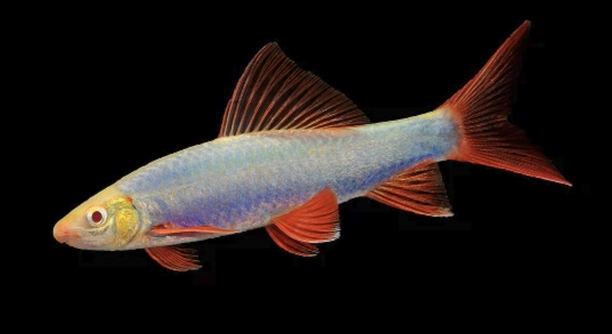
Do you have a rainbow shark swimming in your aquarium and want to understand its behavior better? Observing your fish closely can help you notice when it feels uneasy or stressed. Knowing the signs of anxiety is important for keeping your rainbow shark healthy.
Rainbow sharks show anxiety through changes in behavior, such as hiding often, erratic swimming, loss of appetite, color fading, fin clamping, increased aggression, and gasping at the water surface. Recognizing these signs early helps prevent serious health problems.
These signs might seem small at first, but paying attention to them can make a big difference in your fish’s well-being.
Hiding Behavior
Rainbow sharks often hide when they feel anxious. You might notice your fish staying behind decorations, plants, or near the tank corners more than usual. This behavior is a way to avoid perceived threats. When anxious, the fish seeks safety, which can limit its movement and natural activity. Hiding for long periods may cause stress to build up, affecting the fish’s health over time. It’s important to observe if this behavior is new or more frequent than normal.
Consistent hiding can signal that the fish feels unsafe or uncomfortable in its environment.
To reduce hiding, ensure the tank has enough space and hiding spots, but also a balance of open areas for swimming. Check the water quality, temperature, and tank mates, as poor conditions or aggressive neighbors may increase anxiety. Providing a stable and calm environment helps your rainbow shark feel secure and more active.
Erratic Swimming
Erratic swimming is a clear sign of stress in rainbow sharks. This includes darting around quickly, swimming in circles, or crashing into tank walls. Such behavior shows the fish is unsettled or frightened. Anxiety may result from sudden changes in the tank, like new fish additions, poor water conditions, or loud noises. Watching for this pattern helps catch problems early before the fish’s health worsens.
Erratic swimming often precedes other health issues if not addressed.
If your rainbow shark swims wildly, check water parameters immediately. High ammonia, nitrite, or nitrate levels can cause discomfort. Also, observe tankmates for bullying or competition that might cause stress. Reducing light intensity and minimizing sudden disturbances in the room can calm the fish. Over time, maintaining consistent care and environment will help your rainbow shark swim smoothly and confidently.
Loss of Appetite
A rainbow shark that feels anxious often stops eating or eats less than usual. This change can happen suddenly and may last several days. When fish avoid food, it is usually a sign that something in their environment is stressing them out.
Loss of appetite weakens the fish and lowers its immune system, making it more vulnerable to disease. Stress from poor water quality, aggressive tankmates, or sudden changes can all cause this behavior. It’s important to observe the tank conditions and make sure everything is stable to encourage normal eating habits.
If your rainbow shark continues to refuse food, try offering live or frozen treats to stimulate interest. Reducing stressors and maintaining clean water will help restore its appetite. Sometimes, a quieter tank environment and consistent feeding schedule can also make a big difference in encouraging your fish to eat again.
Color Fading
Color fading is a common sign that your rainbow shark is feeling anxious. The bright hues may become dull or pale when the fish is stressed. This change is noticeable and often one of the first signs to watch for in an anxious fish.
Stress affects a fish’s ability to maintain its vibrant colors because it changes hormone levels and energy use. Poor water conditions, illness, or bullying can cause fading. Regular water tests and tank maintenance help keep colors bright. If the fading persists, it could mean the fish is dealing with ongoing anxiety or illness.
Improving tank conditions, reducing stressors, and providing proper nutrition can help the colors return. Giving your rainbow shark a peaceful and stable environment supports both its appearance and health. Sometimes, simply adding plants or decorations can reduce stress and help colors brighten.
Fin Clamping
Fin clamping happens when your rainbow shark holds its fins close to its body instead of spreading them out. This behavior often shows when the fish feels stressed or uncomfortable. It makes the fish look smaller and less active.
This is a protective reaction. When fins are clamped, the fish may be trying to reduce its visibility or protect itself from harm. Keeping an eye on this sign helps you spot anxiety early before other problems develop.
Increased Aggression
When rainbow sharks feel anxious, they may become more aggressive than usual. This can include chasing other fish or defending their territory fiercely. Stress can make their behavior unpredictable and tense.
Aggression often arises because the fish feels threatened or insecure. Crowded tanks, lack of hiding spots, or incompatible tankmates can increase stress and cause this behavior. Managing tank conditions and providing enough space can reduce aggression.
Gasping at the Surface
Gasping at the surface means your rainbow shark is trying to get more oxygen. This behavior usually signals poor water quality or low oxygen levels in the tank, which can stress the fish.
If your fish is frequently at the surface, test the water immediately and improve aeration to keep it comfortable.
FAQ
How can I tell if my rainbow shark is stressed?
Stress in rainbow sharks shows through changes in behavior like hiding, erratic swimming, loss of appetite, color fading, fin clamping, aggression, and gasping at the surface. Watching for these signs regularly helps you spot anxiety early and take action to improve their environment.
What causes anxiety in rainbow sharks?
Common causes include poor water quality, overcrowding, aggressive tankmates, sudden changes in the tank, loud noises, and inadequate hiding places. These factors disrupt their sense of safety and can lead to stress and anxiety.
How do I improve water quality for my rainbow shark?
Regular water changes, testing for ammonia, nitrites, and nitrates, and using a reliable filter are key. Keeping the water clean and stable helps reduce stress. Avoid overfeeding to prevent water pollution and maintain proper temperature.
Can tankmates cause anxiety in rainbow sharks?
Yes, aggressive or overly active fish can stress rainbow sharks. It’s important to choose peaceful, compatible species and provide enough space so your fish don’t feel crowded or threatened.
What should I do if my rainbow shark stops eating?
Check water parameters first to rule out poor conditions. Offer a variety of foods, including live or frozen options, to stimulate appetite. Reducing stressors and keeping the tank environment stable can help encourage eating.
Is fin clamping serious?
Fin clamping is a stress sign, but not always serious by itself. If it continues, it could indicate illness or poor water quality. Monitor your fish and address tank conditions promptly to prevent further problems.
Why is my rainbow shark’s color fading?
Color fading usually happens when the fish is stressed or sick. Poor water quality, stress from tankmates, or illness can cause dull colors. Maintaining clean water and a calm environment can help restore brightness.
How can I reduce aggression in my rainbow shark?
Provide enough space, hiding spots, and peaceful tankmates. Avoid sudden changes or overcrowding. Sometimes rearranging tank decorations helps reduce territorial behavior.
What does gasping at the surface mean?
Gasping shows your fish may be struggling to get enough oxygen. This often means low oxygen levels or poor water quality. Increasing aeration, adding plants, and doing water changes can improve oxygen levels.
How often should I test my aquarium water?
Testing water weekly is a good habit. Regular checks for ammonia, nitrites, nitrates, and pH help you catch problems early before they stress your fish.
Can anxiety cause long-term health problems for rainbow sharks?
Yes, chronic stress weakens their immune system, making them more vulnerable to diseases and infections. Reducing anxiety helps keep your fish healthy and live longer.
Are there signs that mean immediate action is needed?
If your rainbow shark is gasping heavily, not eating for days, or showing sudden aggressive or lethargic behavior, these are urgent signs. Check water conditions and consider consulting a vet if problems persist.
Is it normal for rainbow sharks to hide a lot?
Some hiding is normal, especially during rest or after feeding. However, frequent or long hiding periods usually indicate stress or discomfort that needs attention.
Can lighting affect my rainbow shark’s anxiety?
Bright or sudden changes in lighting can stress fish. Use moderate, consistent lighting and avoid sudden on/off cycles to create a stable environment.
What tank size is best for rainbow sharks to reduce stress?
A minimum of 55 gallons is recommended. Larger tanks give them room to swim and avoid conflicts with other fish, helping reduce anxiety and aggression.
Final Thoughts
Taking care of a rainbow shark means paying close attention to its behavior and environment. Anxiety in these fish can show in many ways, like hiding more often, swimming oddly, or losing their bright colors. When these signs appear, it usually means the fish is feeling stressed or uncomfortable. Stress can harm their health if it continues for too long. It is important to notice these signs early so you can make changes to help your rainbow shark feel better.
A clean and stable tank is the best way to prevent anxiety. This means checking water quality regularly and making sure the temperature and pH levels stay consistent. Overcrowding and aggressive tankmates can also cause stress, so it’s important to give your fish enough space and peaceful companions. Adding places for your rainbow shark to hide helps too, as it provides a safe spot when the fish feels nervous. Small changes in lighting and noise can affect how your fish feels, so keep the environment calm and steady.
If your rainbow shark shows signs of anxiety, try to find the cause quickly. Improving water quality, adjusting tank mates, and providing proper food will often help the fish recover. Sometimes, just being patient and gentle with your care routine can reduce stress. Remember, a happy fish is more active, colorful, and healthy. Watching your rainbow shark closely and acting on what you see can make a big difference in its well-being. Taking these steps will help your fish live a longer, healthier life in your aquarium.

Hello,
If you enjoy the content that we create, please consider saying a "Thank You!" by leaving a tip.
Every little bit helps us continue crafting quality advice that supports the health, happiness, and well-being of pets around the world, for pets of all shapes, sizes, and species.
We really appreciate the kindness and support that you show us!