
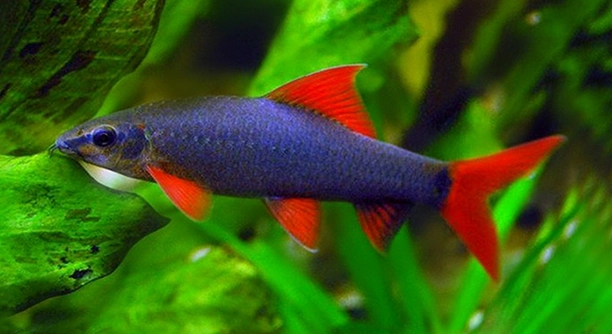
Rainbow sharks are popular aquarium fish known for their striking colors and active nature. They usually get along well with others, but sometimes problems arise when they share a tank with other fish. Recognizing signs of tankmate issues early can help maintain a peaceful environment.
When rainbow sharks experience tankmate issues, they may show signs such as increased aggression, hiding, loss of appetite, or damaged fins. These behaviors indicate stress caused by conflicts or unsuitable tank companions that disrupt their well-being.
Learning to spot these signs can improve your fish’s health and harmony. Understanding their behavior helps create a better home for all your aquatic pets.
Aggression and Territorial Behavior
Rainbow sharks can become aggressive when they feel their space is threatened. They may chase or nip at other fish, especially those of similar size or shape. This behavior usually happens if the tank is too small or overcrowded. It’s important to give each fish enough room to swim freely without feeling crowded. Aggression can also increase during feeding time or when establishing territory. Observing your fish closely can help you notice if this behavior is getting worse. When aggression becomes frequent, other fish may get stressed or injured. To reduce fighting, consider rearranging decorations or adding hiding spots where fish can retreat. Providing enough space and resources helps keep your rainbow shark calm and less likely to attack.
Increased aggression is a clear sign that your rainbow shark is uncomfortable with its tankmates. It often signals that changes are needed in the tank environment or stocking.
By adjusting the tank layout and ensuring enough space, you can ease tensions. Adding plants or rocks creates natural barriers and hiding places. This reduces direct confrontations and helps your rainbow shark feel more secure. Sometimes, changing tankmates to less aggressive species is necessary. Monitoring fish behavior regularly allows you to react before serious harm occurs. A peaceful tank promotes healthier fish and a more enjoyable aquarium experience.
Hiding and Avoidance
When a rainbow shark hides frequently, it may be avoiding stress or threats. This behavior shows discomfort or fear caused by other fish or sudden changes in the tank. Hiding can reduce stress but also signals that the tank conditions are not ideal. Regular hiding may lead to loss of appetite and poor health if left unaddressed.
Loss of Appetite
Loss of appetite often indicates stress in your rainbow shark. When tankmates cause constant harassment or competition, your fish may stop eating. This is a sign that the environment is not comfortable or safe for them.
When a rainbow shark stops eating, it affects their health quickly. Stress from aggressive or overly active tankmates can make them hide or avoid food. Sometimes, the fish may feel too threatened to come out during feeding time. This can lead to weight loss and a weakened immune system. Watching feeding behavior closely helps catch this problem early. Offering food in different spots or feeding smaller amounts more often can encourage eating. Removing or separating aggressive fish may also improve appetite. Ensuring a calm environment is key to helping your rainbow shark regain interest in food and maintain good health.
A healthy appetite is vital for your rainbow shark’s growth and energy. Stress from tankmate issues directly impacts feeding habits. Keeping an eye on their eating pattern helps protect their well-being and supports a peaceful tank.
Damaged Fins and Physical Injuries
Physical injuries like torn or frayed fins often result from fighting or bullying among tankmates. Your rainbow shark might get nipped by other fish or caught in sharp decorations during stressful encounters. It’s important to inspect your fish regularly for signs of damage to prevent infections.
Injuries to fins weaken your fish and make them vulnerable to disease. Aggressive tankmates or overcrowding increase the chances of fin damage. Even small wounds can become infected if water quality is poor. To reduce injuries, maintain clean water and provide plenty of hiding spots. Removing aggressive fish or isolating injured ones supports healing. Observing interactions helps identify which tankmates may be causing harm. Taking action early prevents worsening injuries and keeps your rainbow shark healthier for longer.
Ensuring a safe tank environment includes checking for physical damage often. Minimizing stress and aggression protects your fish from harm and promotes recovery when injuries occur. Proper care and attention help maintain your rainbow shark’s vibrant appearance and health.
Restlessness and Erratic Swimming
Restlessness and erratic swimming are common signs of stress in rainbow sharks. When tankmates constantly bother them, the fish may dart around or swim nervously. This behavior indicates discomfort and unease within the tank environment.
Erratic swimming can also lead to exhaustion and injury. If your rainbow shark is unable to settle or find calm spots, it may become more vulnerable to illness. Watching their movement closely helps spot early stress signs and allows for timely adjustments.
Color Fading
Color fading in rainbow sharks often happens when they are stressed or unhealthy. Stress caused by aggressive tankmates or poor water conditions can dull their vibrant colors. Maintaining a calm and clean environment helps keep their colors bright and healthy.
Increased Hiding Spots Needed
When a rainbow shark feels threatened, it seeks more hiding places. Providing plenty of plants, rocks, or decorations gives them safe spots to retreat and reduces stress. A well-decorated tank supports better behavior and health for all fish.
FAQ
How can I tell if my rainbow shark is stressed by its tankmates?
Signs of stress include aggression, hiding, loss of appetite, erratic swimming, and color fading. Your fish may also have damaged fins from fighting. Watching their behavior and physical condition closely can help you notice stress early and take action to improve their environment.
What types of fish should I avoid keeping with rainbow sharks?
Avoid keeping rainbow sharks with overly aggressive or very small, timid fish. Similar-shaped or sized fish often trigger territorial behavior. Fast swimmers that outcompete them for food can also cause stress. Choosing peaceful, larger fish that don’t resemble rainbow sharks works best.
Can changing the tank setup reduce aggression?
Yes, rearranging decorations, adding plants, and creating hiding spots help break up territories and reduce direct conflicts. Providing enough space for each fish to claim its own area lowers aggression. Natural barriers help fish feel secure and reduce stress.
How much space does a rainbow shark need to feel comfortable?
Rainbow sharks need at least a 30-gallon tank for one fish, with more space required for additional fish. Crowding causes stress and aggression. A larger tank allows for better territory establishment and less fighting.
What should I do if my rainbow shark is injured?
Isolate injured fish to prevent further harm and help healing. Maintain excellent water quality to avoid infections. You can treat wounds with aquarium-safe antiseptics if needed. Monitor closely and remove aggressive tankmates if injuries persist.
Is diet affected by tankmate stress?
Yes, stressed fish often lose their appetite or stop eating completely. Feeding smaller amounts multiple times a day and offering favorite foods can encourage eating. Reducing tankmate aggression improves feeding behavior.
How often should I observe my rainbow shark for signs of trouble?
Daily observation is ideal. Look for changes in behavior, color, or physical damage. Early detection of issues allows prompt changes to tank conditions or fish arrangements, improving your rainbow shark’s health and happiness.
Can tankmate problems cause illness in rainbow sharks?
Yes, stress weakens the immune system, making fish more prone to diseases like fin rot or infections from injuries. Keeping a peaceful tank and good water quality helps prevent health issues related to tankmate stress.
Should I separate aggressive fish permanently?
If aggression is severe or persistent, separating aggressive fish is often necessary. Using a divided tank or relocating fish to separate tanks protects vulnerable species and reduces stress for all inhabitants.
Are there signs that indicate the tankmates are compatible?
Compatible tankmates usually swim calmly, share space without constant chasing, and show little or no fin damage. Rainbow sharks may show normal activity levels without hiding or aggressive behavior. Peaceful coexistence is the goal for a healthy aquarium.
Final Thoughts
Keeping a rainbow shark in a community tank can be very rewarding, but it also comes with challenges. These fish are active and sometimes territorial, so their interactions with other tankmates need careful monitoring. Noticing early signs of tankmate issues helps prevent serious problems. If aggression or stress is allowed to continue, it can affect the health and happiness of all the fish in the tank. Being attentive and making necessary changes will create a better environment for your rainbow shark and its companions.
It is important to remember that each fish has its own personality and tolerance levels. Some rainbow sharks may be more tolerant of certain tankmates, while others might show strong territorial behavior. Tank size, decorations, and water quality all play a role in how well fish get along. Making sure there is enough space and hiding places can reduce conflicts. When problems arise, simple changes like rearranging the tank, adjusting feeding routines, or changing tankmates can make a big difference. These small adjustments can greatly improve the well-being of your rainbow shark.
In the end, maintaining a peaceful tank takes patience and observation. Paying attention to your rainbow shark’s behavior and physical condition is key. If you see signs like aggression, hiding, or loss of appetite, it’s time to review the tank setup and fish compatibility. A calm and well-organized tank benefits all your aquatic pets, leading to healthier and happier fish. Taking the time to care for your rainbow shark in this way will help ensure it thrives and remains a beautiful addition to your aquarium.

Hello,
If you enjoy the content that we create, please consider saying a "Thank You!" by leaving a tip.
Every little bit helps us continue crafting quality advice that supports the health, happiness, and well-being of pets around the world, for pets of all shapes, sizes, and species.
We really appreciate the kindness and support that you show us!