
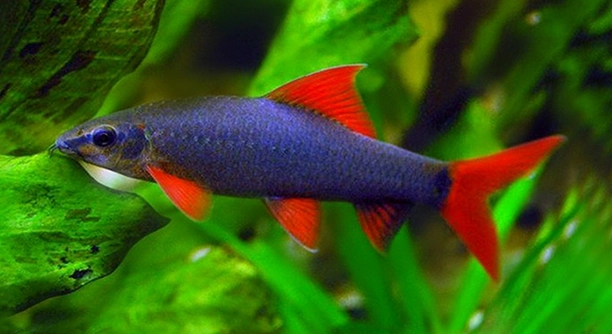
Rainbow sharks are popular aquarium fish known for their vibrant colors and active nature. Many owners want to know if their fish feel comfortable and happy in their tank. Recognizing signs of contentment helps maintain a healthy environment for these lively pets.
Rainbow sharks display specific behaviors and physical signs that indicate they are thriving in their habitat. These include regular swimming patterns, healthy coloration, consistent appetite, and interaction with the environment. Monitoring these indicators is essential for ensuring their well-being.
Observing these signs can improve your care routine and help your rainbow shark flourish in its aquatic home.
Active Swimming and Exploration
Rainbow sharks that enjoy their environment often swim actively throughout the tank. They explore different areas, glide smoothly over the substrate, and use hiding spots naturally without stress. This movement shows they feel secure and comfortable in their surroundings. A healthy rainbow shark won’t stay hidden all day or remain still at the tank’s bottom. Instead, it will frequently swim around, maintaining a steady pace without signs of exhaustion or distress. It also uses the full vertical space in the aquarium, swimming near plants, rocks, and open water. Providing enough space, proper water parameters, and enrichment encourages this behavior. Watching your fish engage with the environment like this means it is adapting well and feeling at ease.
Active swimming helps maintain physical fitness and reduces the risk of disease. It also indicates good water quality and tank setup, essential for their well-being.
Maintaining stable conditions and providing variety in the tank supports this natural, healthy activity.
Vibrant and Consistent Coloration
Rainbow sharks with bright, consistent coloration indicate good health and contentment. When these fish feel secure, their colors appear vivid and well-defined, without dull or faded patches. Stress or illness can cause color loss, so a strong, bright appearance is a positive sign. Proper diet and clean water also contribute to maintaining their striking hues. If the colors fade or change drastically, it may signal a problem in the environment or health issues that need addressing. Observing coloration regularly helps track the fish’s well-being. Consistent color means the fish is comfortable, receiving enough nutrients, and living in stable conditions. Proper lighting also enhances their natural colors, making them more visible and vibrant. Color is an easy way to assess if your rainbow shark is content and thriving.
Healthy Appetite and Feeding Behavior
A rainbow shark that enjoys its environment will eat regularly and eagerly. It shows interest in food and comes out of hiding during feeding times. A healthy appetite is a good indicator of overall well-being and comfort in the tank.
Feeding behavior reveals a lot about the fish’s condition. When rainbow sharks feel secure, they actively search for food and respond quickly when offered flakes, pellets, or live foods. They may graze on algae or biofilm throughout the day, which shows natural behavior. Sudden loss of appetite or refusal to eat can signal stress or poor water quality. Consistent feeding habits mean the environment suits their needs, including proper temperature, pH, and tank mates. Observing how your fish eats helps detect early health issues and adjust care routines promptly.
Regular feeding with a balanced diet ensures your rainbow shark stays healthy and energetic. Offering a variety of foods supports their nutritional needs and keeps them engaged.
Smooth Breathing and Body Movement
Normal breathing and smooth body movements are signs of comfort in your rainbow shark. It breathes evenly, without rapid gill movement or gasping at the surface. Movements are controlled and fluid, not jerky or sluggish.
Irregular breathing or erratic swimming can indicate stress or illness. When the fish feels safe, it glides through the water effortlessly, showing no signs of struggle. These behaviors suggest good oxygen levels and water quality, crucial for their health. Observing these details helps catch problems early. The absence of clamped fins or excessive hiding confirms a peaceful environment. Keeping the tank clean and stable supports normal breathing and movement. A calm, flowing fish is a happy one, adapting well to its home and showing no signs of distress.
Interaction with Tank Mates
A rainbow shark that enjoys its environment interacts calmly with other fish. It doesn’t show excessive aggression or hide constantly. Balanced behavior is key to a peaceful tank.
Friendly or neutral interactions indicate the fish feels secure. Stress often causes aggression or avoidance, so calm social behavior is a positive sign.
Regular Resting Spots
Rainbow sharks often choose specific resting spots in the tank. They return to these places consistently when not active. This behavior shows they feel safe and comfortable.
These resting areas may be shaded or sheltered by plants or decorations. Having familiar spots reduces stress and helps the fish relax. Providing hiding places supports this natural behavior and contributes to their overall well-being.
Clear Eyes and Healthy Fins
Clear eyes and intact fins indicate good health in rainbow sharks. Cloudy eyes or torn fins can signal stress or poor water quality.
Healthy physical features reflect a well-maintained environment and proper care.
FAQ
How often should I feed my rainbow shark?
Feeding your rainbow shark once or twice daily is ideal. Provide only as much food as it can consume within a few minutes to avoid overfeeding. Overfeeding can lead to poor water quality and health problems. Offering a balanced diet with flakes, pellets, and occasional live or frozen foods supports its nutritional needs.
What tank size is best for a rainbow shark?
A minimum of 30 gallons is recommended for a single rainbow shark. They need plenty of swimming space because they are active fish. Larger tanks help reduce territorial aggression and provide enough room for hiding spots and decorations.
Can rainbow sharks live with other fish?
Yes, but tank mates should be chosen carefully. Rainbow sharks may show territorial behavior, especially in small tanks. Suitable companions include peaceful species that occupy different water levels, like tetras or danios. Avoid slow-moving or long-finned fish, which might be bullied.
What water conditions do rainbow sharks prefer?
Rainbow sharks thrive in water with temperatures between 72°F and 79°F, pH levels of 6.5 to 7.5, and moderate hardness. Stable water conditions are important. Regular testing and maintenance help prevent stress-related issues and keep your fish healthy.
Why is my rainbow shark hiding all the time?
Excessive hiding can indicate stress, poor water quality, or illness. Check the water parameters and tank setup. Make sure the environment offers enough hiding spots but also allows the fish to swim freely. Sudden changes in the tank or aggressive tank mates can also cause hiding.
How can I tell if my rainbow shark is stressed?
Signs of stress include faded colors, clamped fins, loss of appetite, erratic swimming, or hiding for long periods. Stress can come from poor water quality, overcrowding, aggressive tank mates, or inadequate diet. Identifying and correcting these issues helps your fish recover.
Do rainbow sharks need plants in their tank?
While not required, live plants provide shelter and help improve water quality. Plants also mimic their natural environment, making the fish feel more secure. If you don’t have live plants, decorations with hiding spots serve the same purpose.
How long do rainbow sharks live?
With proper care, rainbow sharks can live 5 to 8 years in captivity. Maintaining good water quality, a balanced diet, and a suitable environment helps maximize their lifespan.
What should I do if my rainbow shark shows signs of illness?
Quarantine the affected fish if possible and test your water parameters. Common illnesses can often be treated with aquarium-safe medications. Improving water quality and diet supports recovery. Consulting a veterinarian or fish care expert may be necessary for serious conditions.
Can rainbow sharks change color?
Color changes usually indicate stress, illness, or poor water conditions. Healthy rainbow sharks maintain vibrant, consistent coloration. Sudden fading or darkening should prompt an inspection of tank conditions and fish health.
Taking good care of a rainbow shark means paying close attention to how it behaves and looks in its tank. These fish show clear signs when they are comfortable and enjoying their environment. Active swimming, bright colors, and a healthy appetite are some of the most reliable indicators. When your fish moves smoothly, interacts calmly with other tank mates, and regularly uses hiding spots, it is a good sign that it feels safe and secure. Keeping the water clean and maintaining stable conditions are essential for their well-being. A happy rainbow shark is easier to care for and can live a longer, healthier life.
It is important to remember that each rainbow shark is unique, and their responses to the environment can vary slightly. Sometimes they may hide more or swim less depending on their mood or changes in the tank. However, consistent signs of stress or illness should never be ignored. Regular monitoring of water quality, feeding habits, and physical appearance helps catch problems early. Adjusting tank conditions or diet when needed can improve the fish’s comfort and health. Providing a balanced environment with proper tank size, suitable companions, and enrichment makes a significant difference in how your rainbow shark feels day to day.
Overall, understanding the basic needs and behaviors of rainbow sharks will help you create a thriving aquatic home. Watching for key signs of enjoyment and well-being allows you to respond quickly if anything seems off. This attention to detail can prevent many common issues and ensures your fish stays vibrant and active. By giving your rainbow shark the care it deserves, you will enjoy watching its natural behaviors and bright colors for many years to come. Taking the time to learn about their preferences benefits both you and your aquatic companion.

Hello,
If you enjoy the content that we create, please consider saying a "Thank You!" by leaving a tip.
Every little bit helps us continue crafting quality advice that supports the health, happiness, and well-being of pets around the world, for pets of all shapes, sizes, and species.
We really appreciate the kindness and support that you show us!