
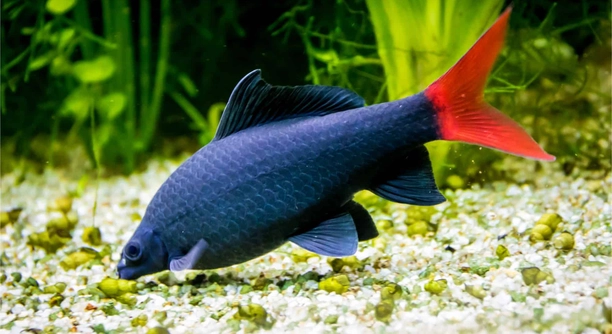
Rainbow sharks are popular freshwater fish known for their bright colors and active behavior. Many fish keepers enjoy having them in their aquariums. However, like all pets, they can sometimes show signs of illness that need attention.
Recognizing the early signs of health problems in rainbow sharks is essential for timely care. Common indicators include changes in behavior, appetite, coloration, and physical appearance. Monitoring these symptoms helps prevent serious issues and ensures proper treatment.
Knowing the warning signs can help you maintain a healthy environment for your fish. This article will guide you through important clues that indicate your rainbow shark might need help.
Changes in Swimming Behavior
When a rainbow shark starts to swim differently, it’s often a clear sign that something isn’t right. Healthy rainbow sharks usually glide smoothly, exploring their tank with steady movements. If you notice your fish darting around nervously, staying at the surface, or hiding more than usual, these can be signs of stress or illness. Sometimes, they may even struggle to maintain balance or float unevenly. Changes in swimming can be caused by poor water quality, infections, or internal issues. It’s important to observe how often these behaviors occur and whether they worsen. Acting early by checking water parameters and ensuring a clean tank can help your fish recover faster. If the abnormal swimming continues, consider consulting a vet or fish health expert. Taking action quickly can prevent small problems from turning into severe health concerns, keeping your rainbow shark comfortable and active.
Uneven swimming often signals distress or disease, requiring prompt attention to tank conditions and fish health.
If your rainbow shark’s swimming seems off, start by testing the tank’s water quality. Parameters like ammonia, nitrite, nitrate, and pH should be within safe ranges. Poor water quality can stress your fish and lead to infections. Additionally, look for signs of parasites or injuries that might affect swimming. Sometimes, overcrowding or aggressive tank mates can cause stress, leading to erratic movements. Adjusting tank setup or isolating the affected fish might be necessary. Consistent observation helps detect patterns, so keep a close eye over several days. Proper diet and maintaining stable temperatures also support recovery. If symptoms persist despite these measures, a professional diagnosis is the best next step to ensure your fish gets the right treatment.
Loss of Appetite
A sudden drop in appetite is often an early sign that a rainbow shark is unwell. Healthy fish usually eat eagerly and respond quickly to food. When your fish refuses to eat or shows less interest during feeding times, it might be experiencing stress or illness. Loss of appetite can be caused by water quality issues, parasites, or internal diseases. It’s important to observe if this behavior continues over several days. Ignoring a loss of appetite can lead to weight loss and weakened immunity, making recovery harder. Ensuring a balanced diet and clean environment supports your fish’s health. If your rainbow shark consistently avoids food, consider testing water and checking for other symptoms. Prompt action can help restore appetite and prevent further health decline.
To help your fish regain its appetite, try offering different types of food, like live or frozen options, which can sometimes stimulate interest. Maintaining a stable and stress-free tank environment encourages normal feeding behavior.
Visible Physical Changes
Fins that appear ragged or torn can signal health problems in your rainbow shark. Look closely for any discoloration, spots, or unusual growths on the body. These physical changes often point to infections or poor water conditions.
Physical damage to fins usually results from fin rot, a bacterial infection common in freshwater tanks. It can start as small tears but quickly worsens if untreated. Injuries from aggressive tank mates or sharp decorations may also cause damage. Monitoring your fish daily helps catch these issues early. Treating the tank with appropriate medication and maintaining clean water can stop the infection from spreading. Avoid overcrowding to reduce stress and fighting. Proper nutrition supports healing and overall strength.
Color fading or unusual spots can indicate stress or disease. Consistent tank maintenance, stable water conditions, and observing your fish’s behavior will help identify and solve these problems before they become severe.
Lethargy and Hiding
Excessive hiding and lack of movement can mean your rainbow shark is feeling unwell. It’s normal for them to rest, but prolonged lethargy needs attention.
Lethargy is often a response to illness or stress. When your fish hides frequently and doesn’t react to feeding or tank activity, it’s a sign something is wrong. Water quality problems, parasites, or infections can cause this behavior. Check your tank’s parameters immediately and perform a partial water change if necessary. Also, evaluate the tank’s temperature and oxygen levels, as these impact fish energy. If the condition persists, quarantine the fish to prevent spreading disease to others. Improving diet and reducing stressors can help your rainbow shark regain vitality. Observing these changes early increases the chance of successful treatment and recovery.
Gasping at the Surface
Gasping at the water surface can indicate low oxygen levels in the tank. It’s a sign your rainbow shark may be struggling to breathe properly.
This behavior often points to poor water circulation or overcrowding. Increasing aeration or performing a water change can improve oxygen levels quickly.
Clamped Fins
Clamped fins, where the fins stay close to the body, usually indicate stress or illness. This behavior shows the fish is uncomfortable or unwell.
Watching for clamped fins helps catch health issues early. Address water quality and tank conditions promptly to support recovery.
Sudden Weight Loss
Rapid weight loss is a serious sign that your rainbow shark may be ill. It often accompanies other symptoms like loss of appetite or lethargy.
Weight loss can result from internal parasites, infections, or poor diet. If you notice your fish getting thinner quickly, testing water and consulting a vet is important. Early intervention can save your fish’s health.
Excess Mucus Production
Excess mucus on the skin or gills signals irritation or infection. It’s the fish’s natural response to protect itself from harmful conditions or pathogens.
FAQ
How often should I check my rainbow shark’s health?
Regular observation is key to keeping your rainbow shark healthy. Ideally, spend a few minutes daily watching your fish’s behavior, appetite, and appearance. This helps catch early signs of illness before problems worsen. Also, test water quality at least once a week to ensure safe living conditions. Frequent tank maintenance prevents common health issues related to water parameters.
What water conditions are best for a rainbow shark?
Rainbow sharks thrive in clean, well-filtered freshwater with a temperature between 72°F and 79°F (22°C to 26°C). The pH should stay slightly acidic to neutral, around 6.5 to 7.5. Consistent water changes of 25% weekly help maintain ideal conditions. Avoid overcrowding and keep tank decorations smooth to prevent injuries. Stable conditions reduce stress and keep your fish strong.
Can diet affect my rainbow shark’s health?
Yes, diet plays a big role. Rainbow sharks are omnivores and need a mix of high-quality pellets, flakes, and occasional live or frozen foods like bloodworms or brine shrimp. Providing variety ensures balanced nutrition and supports their immune system. Avoid overfeeding, as leftover food can pollute the tank and cause health issues. Feeding small amounts twice a day works well.
What should I do if my fish shows signs of illness?
Start by testing water quality and making a partial water change if needed. Check for injuries or visible parasites. Isolate the sick fish if possible to prevent spreading disease. Use appropriate medication based on symptoms, but follow dosage instructions carefully. If unsure, consult an aquatic vet or fish health expert. Acting quickly improves chances of recovery.
Can stress cause health problems in rainbow sharks?
Stress weakens the immune system and makes fish vulnerable to infections. Causes include poor water quality, sudden changes in environment, aggressive tank mates, or overcrowding. Reducing stress means maintaining stable water conditions, providing hiding spots, and avoiding sudden changes. A calm tank helps your rainbow shark stay healthy and active.
Are tank mates important for rainbow shark health?
Yes, peaceful and compatible tank mates reduce stress and aggression. Rainbow sharks can be territorial, so avoid small, slow-moving fish that may be bullied. Good companions include fast, larger fish like danios or barbs. A balanced community tank encourages natural behavior and reduces health risks from stress or injuries.
How can I prevent common diseases in my rainbow shark?
Maintaining clean water is the best prevention. Regular testing and water changes reduce harmful bacteria and parasites. Avoid overcrowding and provide a balanced diet. Quarantine new fish before adding them to the main tank to prevent introducing diseases. Watch for early signs of illness and act promptly to keep your fish healthy.
When should I seek professional help?
If your fish shows persistent symptoms like abnormal swimming, rapid weight loss, or visible sores despite your efforts, it’s time to get expert advice. A vet specializing in aquatic animals can provide accurate diagnosis and treatment options. Early professional help can save your rainbow shark’s life and prevent disease spread in your tank.
Taking care of a rainbow shark requires regular attention to its behavior and environment. These fish can show many signs when something is wrong, from changes in swimming to loss of appetite or physical damage. Recognizing these signs early is important because it allows you to act before health problems become serious. Keeping the tank clean, monitoring water quality, and providing proper food all play a role in maintaining your fish’s well-being. Small actions like daily observation and weekly water tests can make a big difference in preventing illness.
Health issues in rainbow sharks often relate to stress, poor water conditions, or infections. Stress can come from overcrowding, aggressive tank mates, or sudden changes in the environment. Poor water quality, such as high ammonia or nitrate levels, creates a harmful living space that weakens fish. Many illnesses show similar symptoms, like clamped fins or hiding, so it’s important to watch carefully and act quickly. If your fish looks unwell or behaves differently, checking water parameters and improving tank conditions should be your first step. In some cases, medication or professional advice may be needed to treat infections or parasites.
Maintaining a healthy rainbow shark requires patience and consistency. Fish are sensitive to their surroundings, so changes should be made slowly and carefully. Providing a stable environment with good water quality, balanced diet, and compatible tank mates supports your fish’s health over time. When problems arise, addressing them promptly helps your rainbow shark recover and thrive. By staying attentive to these signs and needs, you can enjoy a vibrant, active fish for years to come.

Hello,
If you enjoy the content that we create, please consider saying a "Thank You!" by leaving a tip.
Every little bit helps us continue crafting quality advice that supports the health, happiness, and well-being of pets around the world, for pets of all shapes, sizes, and species.
We really appreciate the kindness and support that you show us!