
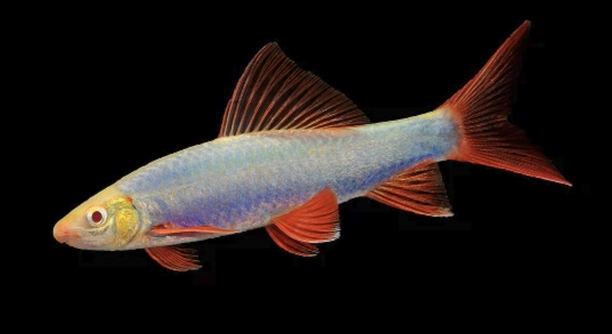
Rainbow sharks are popular aquarium fish known for their vibrant colors and active behavior. Many owners enjoy watching them swim, but sometimes their behavior can change. Recognizing signs of aggression early is important for a peaceful tank environment.
Rainbow sharks may show aggression through chasing, fin nipping, or territorial behavior. Increased hostility can stress other fish and disrupt the aquarium’s balance, requiring timely intervention to maintain harmony among tank inhabitants.
Knowing the signs of aggression can help you protect your fish and keep your aquarium peaceful and healthy.
Increased Chasing and Territory Defense
When your rainbow shark begins to chase other fish aggressively, it is a clear sign of growing territorial behavior. Normally, these fish have their own space, but if they start pursuing tank mates frequently, this can lead to stress and injury for the other fish. The chasing may become relentless, especially during feeding times or in smaller tanks where space is limited. It is important to observe how often and how intensely your rainbow shark chases others, as this can indicate its comfort level and overall temperament. If left unchecked, aggressive chasing can lead to a toxic environment and health problems for all fish involved.
Increased chasing is often a response to overcrowding or insufficient hiding spots. Addressing these conditions can reduce stress and aggression.
Providing more hiding places and considering a larger tank helps ease territorial disputes. Sometimes rearranging decorations can break up established territories, reducing aggressive behavior and improving tank harmony.
Fin Nipping and Physical Aggression
Fin nipping is a damaging behavior where your rainbow shark bites or tears the fins of other fish. This can happen more often if the shark feels threatened or is competing for food. Fin damage not only causes pain but also leaves fish vulnerable to infections. Watching for torn or ragged fins on tank mates is important, as it is an early sign of aggression. Maintaining a peaceful environment by keeping compatible species and enough space can lower fin nipping incidents. It may also help to feed your fish multiple small meals to reduce competition.
Physical aggression signals the need for intervention before injury worsens.
Limiting stressors and maintaining stable water conditions can reduce aggressive behaviors.
Changing tank layout or introducing more plants creates hiding spots that reduce encounters and aggression. Sometimes separating overly aggressive individuals may be necessary to protect the health of other fish. Observing feeding routines and ensuring all fish get enough food also minimizes competition-driven aggression. Keeping your aquarium balanced in terms of fish numbers and species compatibility helps reduce fin nipping and maintains a healthier community tank overall.
Increased Hiding and Withdrawal
When a rainbow shark suddenly hides more than usual, it may be feeling threatened or stressed. Excessive hiding is often a sign that aggression is rising, either from the shark itself or other tank mates.
Stress from constant aggression causes rainbow sharks to retreat to corners or behind decorations. This behavior helps them avoid conflict but can also indicate poor tank conditions. If your shark hides frequently, check the environment for overcrowding, aggressive neighbors, or water quality issues. Improving tank setup by adding hiding spots and ensuring stable water parameters can help reduce stress and encourage healthier behavior. Observing these changes closely will give you a better idea of what triggers the withdrawal.
Encouraging a balanced tank environment promotes confidence and reduces hiding behavior in rainbow sharks.
Aggressive Behavior During Feeding
Feeding times often bring out the most aggressive behaviors in rainbow sharks. Competition for food can trigger chasing and biting as they try to secure their share. Feeding multiple spots in the tank helps reduce this competition by giving shy or weaker fish better access to food. Consistent feeding schedules also create routine, which lowers stress and aggression. Observing feeding behavior helps identify if aggression is linked to hunger or dominance.
Poor feeding practices can increase stress and aggression. Ensuring all fish receive enough food lowers fighting and improves overall tank harmony.
Distributing food evenly and feeding smaller portions multiple times a day allows all fish to eat peacefully. This approach prevents dominant rainbow sharks from monopolizing food and reduces tension. Using sinking pellets or spreading flakes helps reach fish at different tank levels. Regularly monitoring feeding behavior ensures no fish is left out, maintaining balance and reducing aggressive displays connected to food competition.
Changes in Color Intensity
Rainbow sharks often show changes in color when they are stressed or aggressive. A dull or faded color may indicate poor health or discomfort. Bright, intense colors usually mean the fish is healthy and relaxed.
Monitoring color changes can help catch early signs of aggression or illness. Sudden color loss should prompt a check of water conditions and tank mates.
Damage to Decorations or Plants
Aggressive rainbow sharks may damage plants or decorations in the tank. This behavior is usually caused by boredom or territorial disputes. Destroying the environment can be a sign that your fish needs more stimulation or space.
Providing more hiding places and rearranging the tank can reduce destructive behavior. This helps keep the environment peaceful and healthy.
Restlessness and Erratic Swimming
Restlessness and unusual swimming patterns can signal rising aggression. If your rainbow shark darts around suddenly or bumps into other fish, it may be stressed or trying to dominate its territory.
Observing these behaviors early can help prevent harm to other fish and maintain balance in the tank.
How can I tell if my rainbow shark is just active or truly aggressive?
Rainbow sharks are naturally active swimmers, often exploring their tank. However, aggression is different and involves behaviors like chasing, biting, or constant territorial displays. If your shark is frequently targeting specific fish or causing injury, this shows true aggression rather than normal activity. Watching for repeated attacks or signs of stress in other fish will help you decide when behavior is problematic.
What causes aggression in rainbow sharks?
Aggression usually results from territorial instincts, overcrowding, or lack of hiding spaces. Smaller tanks can increase stress and trigger fights over space. Competition for food and incompatible tank mates can also provoke aggressive behavior. Poor water quality or sudden changes in the environment may add stress, making your rainbow shark more hostile.
Can adding more decorations reduce aggression?
Yes, more decorations or plants create hiding spots that break up territories and reduce conflicts. These places allow less dominant fish to escape aggression and provide your rainbow shark with visual barriers to help it feel secure. Rearranging decorations periodically can prevent the shark from establishing a fixed territory, lowering aggression over time.
Is it okay to keep multiple rainbow sharks in one tank?
Keeping more than one rainbow shark together can be risky because they are territorial. Unless the tank is very large and has plenty of hiding spaces, they may fight. If you want multiple rainbow sharks, provide at least 55 gallons or more to give each fish enough room to claim its own territory without constant conflict.
How can I safely separate an aggressive rainbow shark?
You can use a tank divider to separate aggressive fish temporarily. This keeps them in the same aquarium but prevents physical contact. If aggression continues, consider moving the shark to another tank. Quarantine tanks or separate setups help protect other fish from harm and reduce overall stress.
Does diet affect rainbow shark aggression?
A poor or inconsistent diet can increase competition and aggressive behavior. Feeding balanced, high-quality food regularly reduces hunger-driven fights. Feeding multiple times a day in small portions ensures all fish get enough, lowering stress and aggression around feeding times.
Will water quality impact aggression?
Yes, poor water quality causes stress that can make rainbow sharks more aggressive. Regular water changes, proper filtration, and stable parameters are essential for calm behavior. Test your water often to ensure ammonia, nitrite, and nitrate levels remain safe.
Are certain fish better tank mates for rainbow sharks?
Tank mates that are peaceful, fast swimmers, and not overly aggressive work best. Avoid slow-moving or long-finned fish, as rainbow sharks may nip at them. Good companions include danios, barbs, and some types of tetras that can handle the shark’s activity without triggering fights.
How do I reduce aggression during feeding?
Feed at multiple spots in the tank and use sinking pellets to spread out the food. This stops dominant fish from controlling the entire feeding area and lets shy fish eat without fear. Smaller, frequent meals also help keep hunger-driven aggression low.
What signs show that aggression is hurting other fish?
Look for torn fins, visible injuries, or constant hiding from specific tank mates. Stress signs like faded color, loss of appetite, or lethargy in other fish also point to aggression issues. If these appear, it’s time to act quickly to protect your aquarium’s health.
Rainbow sharks are beautiful and active fish that many people enjoy keeping in their aquariums. However, their natural territorial instincts can sometimes lead to aggressive behavior. Recognizing the early signs of aggression is important for keeping a peaceful and healthy tank environment. Aggression can cause stress and harm to other fish, so it is best to address it quickly. Paying attention to changes in behavior, such as chasing, fin nipping, or increased hiding, helps owners understand when their rainbow shark may be becoming too aggressive.
Managing aggression often involves making adjustments to the tank. Providing enough space, adding decorations or plants, and ensuring a balanced diet are key steps. Larger tanks with plenty of hiding spots reduce territorial disputes and help fish feel secure. Feeding fish small meals multiple times a day and spreading the food around the tank lowers competition during feeding times. Monitoring water quality and maintaining stable conditions are also essential because poor water can increase stress and aggression in fish. Sometimes, it may be necessary to separate aggressive individuals or reconsider tank mates to protect the overall health of the aquarium.
Taking these measures can greatly improve the behavior of a rainbow shark and the well-being of all fish in the tank. Keeping a close eye on your fish and making timely changes supports a balanced and peaceful community aquarium. While rainbow sharks may show aggressive tendencies, with proper care and attention, they can coexist peacefully with other fish. Understanding their needs and natural instincts allows you to create a better home for your rainbow shark and enjoy watching it thrive.

Hello,
If you enjoy the content that we create, please consider saying a "Thank You!" by leaving a tip.
Every little bit helps us continue crafting quality advice that supports the health, happiness, and well-being of pets around the world, for pets of all shapes, sizes, and species.
We really appreciate the kindness and support that you show us!