
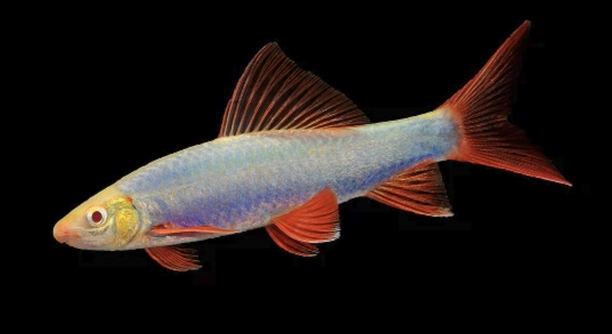
Rainbow sharks are popular freshwater fish known for their vibrant colors and peaceful nature. However, sometimes their behavior can change, showing signs of aggression. Recognizing these signs early helps maintain a calm aquarium environment.
Rainbow shark aggression often manifests through increased territorial behavior, frequent chasing of tank mates, fin nipping, hiding, and sudden changes in swimming patterns. These signs indicate stress or competition and require prompt attention to prevent harm.
Knowing these warning signs will help you manage your rainbow shark’s behavior and ensure a healthy, balanced tank for all your fish.
Understanding Territorial Behavior
Rainbow sharks become territorial when their space feels threatened. They often choose a favorite spot in the tank and defend it aggressively. This behavior can increase if the tank is too small or overcrowded. When the fish feels its territory is invaded, it may chase or nip other fish. Watching your tank setup carefully can prevent these problems. Adding plenty of hiding spots with plants or decorations helps reduce stress. This way, each fish can claim a separate area and feel safe. Ensuring enough space for swimming also lowers aggressive behavior. Keeping compatible tank mates reduces conflict and creates a peaceful environment.
Territorial behavior is more common in smaller or crowded tanks. Providing space and hiding places is key to reducing fights.
Keeping your rainbow shark calm starts with understanding its need for territory. Avoid overcrowding, create distinct areas, and monitor interactions. Proper tank conditions improve fish health and reduce aggressive incidents. Adjusting the environment early prevents stress and helps your fish live comfortably with others. If aggression persists, reconsider your fish mix or tank size.
Recognizing Aggressive Actions
Aggressive actions in rainbow sharks show clearly in their behavior. They chase, nip, or block other fish regularly.
When a rainbow shark acts aggressively, it may repeatedly swim toward another fish, nip fins, or corner tank mates. This behavior often increases during feeding or when new fish are added. Watching these patterns helps spot problems early. Aggressive actions usually signal stress or discomfort. Ignoring signs can lead to injuries or death among tank mates. Adjusting tank conditions or separating aggressive fish can improve harmony. Regular observation is essential to maintain balance.
Aggression may worsen with overcrowding, poor water quality, or lack of hiding spots.
If aggression continues despite efforts, consider a larger tank or fewer fish. Sometimes, certain fish are naturally more dominant and may not suit community tanks. Separating or rehoming aggressive fish might be necessary to protect others. Proper tank maintenance and care help reduce stress, making aggressive acts less frequent. Monitoring fish behavior and acting quickly ensures a peaceful aquarium.
Changes in Swimming Patterns
Sudden shifts in swimming behavior often indicate stress or aggression. Rainbow sharks may dart quickly, swim erratically, or hide more than usual when feeling threatened.
Erratic swimming is a common response when a rainbow shark feels uneasy in its environment. This can include rapid bursts of speed, unusual darting, or swimming near the tank’s surface or bottom. Such behavior may result from overcrowding, poor water quality, or aggressive tank mates. When a fish avoids usual swimming paths or isolates itself, it signals discomfort. Tracking these changes helps identify problems early. Correcting water conditions and ensuring enough space helps your fish regain normal swimming patterns and reduces stress-induced aggression.
Prolonged erratic swimming can weaken your fish’s health. Monitoring and maintaining tank conditions consistently prevents long-term issues. Keeping the water clean and stable supports a calm atmosphere, encouraging normal behavior and reducing aggression risks. Observing these patterns regularly gives you insight into your fish’s well-being and overall tank harmony.
Fin Nipping and Damage
Fin nipping is a clear sign of aggression. It harms the affected fish and can lead to infections if untreated.
Rainbow sharks may nip fins of other fish during territorial disputes or stress. This behavior damages fins and causes injury, making fish more vulnerable to diseases. Aggression triggers like overcrowding, limited hiding spaces, or competition for food often cause fin nipping. Prompt action is necessary to prevent escalation. Improving tank conditions and providing adequate shelter reduces aggressive encounters. Separating aggressive fish may be needed if injuries persist. Regularly inspecting fish for damage allows early treatment and helps maintain a healthy tank environment. Preventing fin nipping improves fish welfare and tank stability.
Increased Hiding Behavior
When a rainbow shark hides more than usual, it may be avoiding aggression. Excessive hiding is often a response to stress or threats in the tank.
Hiding frequently can indicate the fish feels unsafe or overwhelmed. It might be a way to escape constant chasing or bullying by other fish. Observing this behavior is important for timely intervention.
Changes in Appetite
A decrease in appetite often accompanies aggressive behavior or stress. Rainbow sharks under pressure may eat less or refuse food entirely.
Stress from fighting, poor water conditions, or discomfort lowers a fish’s interest in eating. Monitoring feeding habits helps detect problems early. Addressing underlying causes improves appetite and health.
Sudden Color Changes
Rainbow sharks showing dull or faded colors can be a sign of stress or aggression. Color loss usually points to poor health or discomfort.
Maintaining stable tank conditions and reducing stressors supports vibrant colors and overall well-being.
FAQ
What causes aggression in rainbow sharks?
Aggression in rainbow sharks is mainly caused by stress, overcrowding, and competition for territory or food. These fish are naturally territorial, especially in small or poorly arranged tanks. Changes in water quality or adding new fish without proper introduction can also increase aggression. Addressing these causes early can help reduce aggressive behavior.
How can I prevent my rainbow shark from becoming aggressive?
Prevent aggression by providing a spacious tank with plenty of hiding spots like plants and decorations. Keep water clean and stable, and avoid overcrowding. Introduce new fish gradually and observe their behavior. Also, choose compatible tank mates that won’t provoke territorial disputes.
Is aggressive behavior normal for rainbow sharks?
Some level of territorial behavior is normal for rainbow sharks, but persistent aggression signals problems. Normal behavior includes occasional chasing or showing dominance, but frequent attacks or fin nipping should be managed to prevent harm.
Can aggression harm other fish in the tank?
Yes, aggressive rainbow sharks can injure other fish by chasing or fin nipping. Injuries may lead to infections or stress, weakening the affected fish. Monitoring interactions and separating aggressive individuals helps protect all tank inhabitants.
What should I do if my rainbow shark is too aggressive?
If aggression is severe, try rearranging the tank to break up territories and add hiding places. Ensure the tank is large enough and water conditions are optimal. If problems continue, consider separating the aggressive fish or upgrading to a bigger tank.
Does tank size affect aggression in rainbow sharks?
Tank size greatly impacts aggression. Small or overcrowded tanks increase competition and stress, leading to more fighting. A larger tank with ample space for swimming and hiding helps reduce aggressive behavior and promotes peace.
Are certain fish better companions for rainbow sharks?
Rainbow sharks do best with peaceful, fast-swimming fish that won’t compete for the same territory. Avoid slow or long-finned fish that can become targets of aggression. Researching compatible species before adding new fish improves tank harmony.
How do I know if my rainbow shark is stressed?
Signs of stress include erratic swimming, hiding excessively, loss of appetite, color fading, and increased aggression. Stress weakens fish health, so addressing tank conditions and social environment quickly is important.
Can changes in water quality cause aggression?
Poor water quality causes discomfort and stress, which can trigger aggression. Regular testing and maintenance of pH, ammonia, nitrite, and nitrate levels are essential. Clean water helps fish feel secure and behave calmly.
Is it normal for aggression to increase during feeding?
Yes, competition over food often increases aggression temporarily. To reduce this, feed in multiple spots or provide enough food to minimize fighting. Observing feeding times helps manage aggressive behavior.
Should I separate aggressive fish immediately?
Separating aggressive fish can prevent injuries but should be done after trying tank adjustments. If aggression persists despite changes, isolating the fish or moving it to another tank may be necessary for everyone’s safety.
Can adding plants help reduce aggression?
Yes, plants and decorations create hiding places and break up sight lines, reducing territorial disputes. Natural or artificial plants help fish feel secure and lower stress levels, which lessens aggressive actions.
How often should I observe my rainbow shark’s behavior?
Regular observation is key to catching early signs of aggression or stress. Watching your fish daily during feeding or tank checks helps detect issues quickly and maintain a peaceful environment.
Does overcrowding always lead to aggression?
Overcrowding often leads to increased aggression due to competition for space and resources. Keeping a proper fish-to-gallon ratio and avoiding overstocking prevents this problem.
What role does tank decoration play in aggression?
Tank decorations create territories and hiding spots that reduce direct confrontations. Rearranging decorations occasionally can disrupt established territories and reduce fighting among territorial fish.
Final Thoughts
Rainbow sharks can bring beautiful colors and life to a freshwater aquarium, but their aggressive tendencies require attention. Recognizing signs like chasing, fin nipping, hiding, and changes in swimming behavior is essential to maintaining a peaceful tank. These behaviors often indicate stress, overcrowding, or competition for territory and food. Addressing these factors early on helps prevent harm to other fish and keeps your rainbow shark healthy. Proper tank setup, including enough space and hiding spots, plays a major role in reducing aggression.
Maintaining good water quality and stable conditions is also important. Poor water conditions add stress, which can trigger or worsen aggressive behavior. Regular testing and water changes keep the environment clean and comfortable for all fish. Monitoring your fish daily allows you to catch early warning signs before problems escalate. If aggressive behavior continues despite your efforts, adjusting the tank size or fish combination may be necessary. Separating aggressive fish protects more vulnerable tank mates and helps restore balance.
Keeping a rainbow shark peaceful involves understanding its needs and behaviors. Providing a suitable environment with enough space, hiding places, and compatible companions reduces stress and territorial disputes. Watching for behavioral changes like decreased appetite or dull colors gives clues about your fish’s well-being. Acting quickly when you notice aggression or stress supports the health of your entire aquarium. With careful care and observation, your rainbow shark can live comfortably alongside other fish, creating a vibrant and peaceful aquatic community.

Hello,
If you enjoy the content that we create, please consider saying a "Thank You!" by leaving a tip.
Every little bit helps us continue crafting quality advice that supports the health, happiness, and well-being of pets around the world, for pets of all shapes, sizes, and species.
We really appreciate the kindness and support that you show us!