
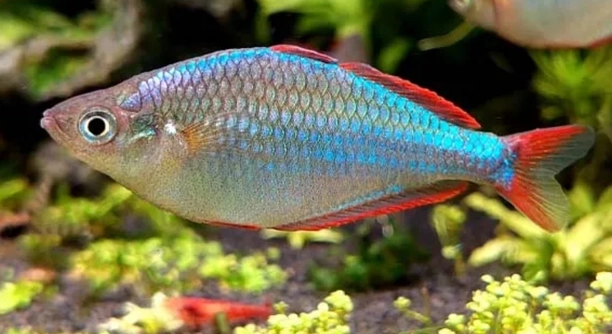
Rainbow fish are a popular choice for many fish tank enthusiasts due to their vibrant colors and active behavior. However, keeping them in a tank that is too small can lead to various issues.
If your rainbow fish tank is too small, the fish may become stressed, leading to aggressive behavior, poor health, or stunted growth. A cramped environment can also cause water quality issues and limit swimming space.
Understanding these signs can help you ensure a healthy and happy home for your rainbow fish. A well-maintained and appropriately sized tank is crucial to their well-being.
Your Fish Are Constantly Hiding
When your rainbow fish are constantly hiding, it might be a sign that they are feeling stressed. Fish tend to seek shelter when they don’t have enough space to swim freely. A cramped tank doesn’t offer the proper environment for these active swimmers, which can make them feel unsafe or overwhelmed. The constant need to hide is their way of coping with the lack of space.
Hiding behaviors can be triggered by overcrowding or poor water conditions. When fish are confined to tight quarters, they can’t express their natural behaviors, which may cause anxiety and even illness over time.
If you notice that your rainbow fish are hiding more than usual, it’s time to assess their living conditions. A bigger tank with plenty of plants or decorations can help create a more comfortable and less stressful environment. Larger tanks allow your fish to swim freely, interact with one another, and find their own hiding spots. This can improve their overall health and happiness.
Your Fish Are Showing Aggression
Aggressive behavior can become more noticeable when your rainbow fish feel crowded. In a small tank, they may become territorial and begin fighting for space. This aggression can lead to injuries, making the tank environment unhealthy for all the fish.
Aggression is often a direct result of not having enough room to establish boundaries. When fish are confined in a small space, they are more likely to feel threatened by others, leading to nipping, chasing, or fighting. To avoid this, giving your fish more space can help reduce territorial disputes and promote peaceful cohabitation.
Adding plants, rocks, or other decorations to the tank can create hiding spots and help ease tension. Larger tanks reduce the risk of aggressive encounters, allowing your rainbow fish to swim and interact in a more natural way. Keeping aggression in check is key to maintaining a peaceful and thriving aquarium.
Water Quality Is Deteriorating Quickly
When the water in your rainbow fish tank starts deteriorating faster than usual, it’s often a sign that the tank is too small. In a cramped tank, waste and excess nutrients build up quickly, making it harder to maintain clean and healthy water.
Small tanks are more sensitive to changes in water quality because there is less volume to dilute harmful substances like ammonia, nitrites, and nitrates. This can lead to toxic water conditions that stress your fish and make it harder to maintain a balanced environment. Regular water changes become more frequent, and water treatments may not be as effective.
A larger tank offers better stability, giving you more time to react before the water quality gets out of hand. It allows for a better filtration system and more space for beneficial bacteria to break down waste. This helps keep your rainbow fish healthy and the water clean for longer periods.
Your Fish Are Not Growing Properly
If your rainbow fish aren’t growing as they should, the tank size could be a major factor. In a cramped environment, fish don’t have enough space to swim freely, which can hinder their natural development. This can result in stunted growth or other health issues.
A smaller tank doesn’t provide the necessary swimming space or environmental enrichment that fish need to thrive. Rainbow fish, in particular, are active swimmers that require room to explore and engage in natural behaviors. Without this space, their growth rate can be slowed down, and they may experience physical or psychological stress.
Upgrading to a larger tank will not only help your fish grow to their full potential but also reduce the stress associated with being confined. A spacious tank ensures that your rainbow fish have the room they need to develop properly.
Overcrowding Is Happening
Overcrowding is a clear sign that your tank is too small. Rainbow fish need space to swim and thrive. When there are too many fish in a small tank, it leads to stress, poor water quality, and unhealthy fish.
Overcrowding causes a range of issues. Fish struggle to find space to swim, compete for food, and are more susceptible to diseases due to the higher levels of waste. Without enough room, their behavior becomes more aggressive and territorial.
A larger tank gives your fish the room they need, reducing competition for food and space. It also allows for a better balance of water quality, making it easier to maintain a healthy environment.
Poor Oxygen Levels
In a small tank, oxygen levels can drop quickly. This can lead to difficulty breathing for your rainbow fish, as there isn’t enough space for proper water circulation.
Lack of oxygen can stress your fish and even cause them to gasp at the water surface. Without enough oxygen, their overall health declines. A bigger tank helps improve water flow and oxygen exchange, keeping your fish active and healthy.
Frequent Illness Outbreaks
Frequent illness outbreaks are another sign that your tank may be too small. In tight spaces, fish are stressed, and their immune systems become weaker. This makes them more vulnerable to diseases.
Fish in small tanks experience weakened immune responses, increasing the likelihood of sickness spreading quickly. Maintaining water quality is harder, which adds further stress. Larger tanks provide a more stable environment, reducing the risk of disease outbreaks.
FAQ
How do I know if my rainbow fish tank is too small?
If your rainbow fish are exhibiting signs of stress, such as hiding constantly, showing aggression, or not growing properly, your tank might be too small. Also, if the water quality deteriorates quickly or if you notice overcrowding, it’s time to reassess the tank size. A good rule of thumb is to have at least 20 gallons of water for every 3-4 rainbow fish. This allows enough space for them to swim freely, interact with each other, and reduces the strain on the water’s filtration system.
What size tank is best for rainbow fish?
Rainbow fish need space to swim and grow properly. A tank size of at least 30 gallons is recommended for a small group of rainbow fish. The more fish you have, the larger the tank should be. For example, if you have a larger school of rainbow fish, you might need a 50-gallon or even a 75-gallon tank. The more space you provide, the healthier and happier your fish will be.
Can rainbow fish survive in a 10-gallon tank?
While rainbow fish can survive in a 10-gallon tank temporarily, it is not ideal for their long-term health. Rainbow fish are active swimmers and need more space to thrive. A 10-gallon tank is simply too small to accommodate their needs, and it can quickly lead to stress, aggression, and poor water quality. If you’re planning to keep rainbow fish, upgrading to a larger tank should be a priority to ensure they live a healthy and happy life.
What happens if I don’t upgrade my tank?
If you don’t upgrade your tank, your rainbow fish will likely suffer from stress, poor health, and possibly stunted growth. The confined space can lead to aggression among fish, rapid water quality deterioration, and weakened immune systems, making your fish more prone to disease. Over time, this will impact their quality of life and could even shorten their lifespan. A larger tank will provide the necessary space and conditions for your fish to thrive.
How can I improve water quality in a small tank?
Improving water quality in a small tank requires regular maintenance, including frequent water changes, proper filtration, and monitoring of water parameters. A good filtration system will help remove excess waste and maintain clean water. However, the best way to improve water quality is to upgrade to a larger tank. The more space there is, the easier it is to maintain a healthy environment with balanced water conditions.
How many rainbow fish can I keep in a 20-gallon tank?
In a 20-gallon tank, you can comfortably keep 3-4 rainbow fish. However, this is the minimum, and you’ll need to monitor the water quality carefully. If you want to add more fish, consider upgrading to a larger tank, as overcrowding can cause stress and health issues. It’s essential to provide enough space for your fish to swim and grow, which is why it’s important not to exceed the recommended stocking level for your tank size.
Can I keep other fish with my rainbow fish in a small tank?
Rainbow fish are generally peaceful and can coexist with many other species. However, in a small tank, overcrowding becomes an issue. It’s important to carefully select tankmates that are similarly peaceful and do not compete too much for space or resources. Avoid species that are territorial or aggressive, as they will add to the stress in a confined space. In a larger tank, there’s more flexibility for housing other fish alongside rainbow fish.
What should I do if my rainbow fish show signs of illness?
If your rainbow fish show signs of illness, such as faded colors, lethargy, or abnormal swimming behavior, it’s important to act quickly. First, check the water quality and make sure it is within the proper range for rainbow fish. Next, isolate the affected fish in a quarantine tank to prevent the spread of disease. If the problem persists, consult an aquarium professional or veterinarian for advice on treatment options. Proper water conditions, a balanced diet, and a stress-free environment can help prevent illnesses in the first place.
Can I reduce the risk of aggression among rainbow fish?
To reduce aggression, ensure that your tank is large enough to accommodate all your fish comfortably. Overcrowding is one of the main reasons rainbow fish can become aggressive. Adding plenty of hiding spots, plants, and decorations will give the fish territories and make them feel secure. You should also avoid having too many males, as they may compete for dominance. Keeping a balanced male-to-female ratio can help prevent aggression and allow the fish to coexist peacefully.
What is the best filtration system for a rainbow fish tank?
A high-quality filtration system is essential for keeping your rainbow fish healthy. A filter with both mechanical and biological filtration will help keep the water clean by removing debris and breaking down waste. A canister filter or hang-on-back filter is often recommended for tanks with rainbow fish. The filter should be powerful enough to handle the tank’s size but not too strong to create strong currents that may stress the fish. Regularly clean the filter and replace the media to maintain its efficiency.
Final Thoughts
Ensuring that your rainbow fish have enough space to swim and thrive is crucial for their well-being. A tank that is too small can lead to a range of problems, including stress, aggression, poor water quality, and stunted growth. These vibrant fish need room to move and explore, as they are naturally active swimmers. When their environment is too cramped, they cannot exhibit their natural behaviors, which can cause both physical and mental health issues. By understanding the signs that your tank is too small, you can make necessary adjustments to improve their living conditions and overall health.
Upgrading to a larger tank can make a significant difference in the health of your rainbow fish. A bigger tank provides more space for swimming, better water circulation, and improved water quality. It also allows for a better filtration system, which helps maintain clean and healthy water for your fish. With more space, you can also introduce additional decorations or plants, which can further enrich their environment. By providing a more suitable habitat, you are giving your rainbow fish the chance to thrive and grow to their full potential.
In the end, a larger tank is an investment in the long-term health of your rainbow fish. It ensures that they have the space they need to live comfortably and reduces the likelihood of stress and health problems. It’s important to remember that fish are living creatures with specific needs, and as an aquarium owner, it’s your responsibility to meet those needs. By giving your rainbow fish the proper space and care, you are helping them lead a happy, healthy life in their aquatic home.

Hello,
If you enjoy the content that we create, please consider saying a "Thank You!" by leaving a tip.
Every little bit helps us continue crafting quality advice that supports the health, happiness, and well-being of pets around the world, for pets of all shapes, sizes, and species.
We really appreciate the kindness and support that you show us!