
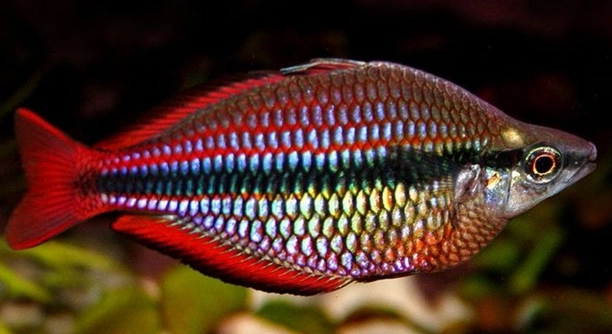
Rainbow fish are vibrant and lively creatures that can form unique bonds with their owners. Understanding their behavior can help you recognize when they may be showing affection. This article highlights key signs your rainbow fish likes you.
Rainbow fish display affection through various behaviors such as following their owners, swimming near them, and showing interest in their movements. They may also engage in playful activities like bubble blowing and darting in the tank, which signals comfort and attachment.
Recognizing these signs will help you build a stronger connection with your rainbow fish and ensure they are happy and healthy.
Rainbow Fish Follow You Around the Tank
When your rainbow fish follows your movements around the tank, it’s a sign of interest and possibly affection. This behavior indicates that they feel comfortable with you in their environment. Fish are naturally curious, and if they are consistently swimming near you, it shows they recognize you as a source of interaction. In the wild, fish tend to stick together for safety, but in a home aquarium, following their owner might be a way to stay close and feel secure.
This behavior is often seen when they’re comfortable and feel safe in their surroundings.
If your rainbow fish has begun following you, it’s a positive sign they recognize and enjoy your presence. They may even start swimming to the side of the tank where you stand, indicating they want attention or food. These little signs of bonding are more than just quirky behaviors—they reflect a deep sense of trust in you as their owner. The more they interact with you, the more their behavior shows they feel at ease in your company.
They Display Excited Swimming Patterns
Your rainbow fish may show excitement by darting or swimming rapidly around the tank. This behavior can be especially noticeable when you approach their habitat. When they swim energetically, it often indicates enthusiasm.
This kind of movement is typical when rainbow fish are eager for food or stimulation.
Excited swimming is not just random; it’s often their way of communicating that something in their environment has caught their attention. When they do this in your presence, it’s a sign they recognize you and enjoy your company. If you find your fish swimming back and forth quickly, they may also be expressing happiness in the routine interactions you share. Understanding this energetic swimming behavior can strengthen the bond between you and your pet.
They Approach the Front of the Tank
When your rainbow fish swims to the front of the tank as you approach, it’s a clear sign that they’re comfortable and familiar with you. This behavior shows they’ve associated your presence with something positive, like food or attention.
Fish are naturally cautious, but once they feel safe, they become more confident in approaching the glass. If your rainbow fish meets you at the tank’s front, it demonstrates they trust you enough to move closer. This act of closeness is a great indicator that they like having you around. It’s not something they’ll do with just anyone, so it’s a special behavior between you and your fish.
If they tend to swim right up to the glass when you approach, it might also be because they’re expecting food. They quickly learn your routine, and that anticipation can trigger a stronger connection. This behavior means they’ve come to recognize you as a reliable source of care and nourishment.
They Engage in Playful Bubble Blowing
Bubble blowing, or the creation of tiny bubbles near the water’s surface, is a playful behavior that shows your rainbow fish is in a happy, comfortable state. It’s often a sign of contentment and enjoyment of their environment.
This behavior can also indicate that your fish is simply having fun. They often blow bubbles when they feel secure in their surroundings, and if they’re doing it regularly around you, it could mean they’ve formed a bond. This playful action is another way for your rainbow fish to express happiness.
As you observe, you’ll notice that the bubbles appear in small clusters, and the fish may linger near the surface for longer periods. This is their way of interacting with their environment and you. The more they engage in these fun, light-hearted activities, the more they are showing affection and attachment.
They Display Color Changes
Rainbow fish are known for their vibrant colors, and changes in color can indicate their mood or level of comfort. When they appear more vibrant in your presence, it’s a sign of positive emotions and contentment.
If your fish’s colors deepen when you approach, they are likely feeling secure and happy. Vibrant coloring is usually a sign of health, but it can also reflect their mood. When they are content, rainbow fish show off their natural beauty, signaling a connection with their environment and you.
The brighter the colors, the more they are likely enjoying their surroundings. If your fish starts to show this more often, it’s a clear sign of trust and affection toward you.
They Swim Playfully in Groups
When rainbow fish swim in groups, it’s a sign of social interaction. If they tend to stay close to each other and display coordinated movements, it reflects their comfort level in their environment, which can be influenced by their relationship with their owner.
Social fish are more likely to feel at ease in a well-maintained tank. If your rainbow fish are swimming near each other, they may be seeking comfort in numbers. The more they move in unison, the more they enjoy their tank and your presence. This behavior shows that they are confident and safe.
They Have a Steady Feeding Routine
Rainbow fish thrive on a routine, and when they become accustomed to your feeding schedule, it’s a clear sign of attachment. They expect food at specific times and will show interest in your movements when it’s time to eat.
When they swim excitedly or wait by the feeding area, it’s because they associate you with nourishment. The more consistent you are with feeding times, the more they’ll rely on you for care. This predictable behavior shows they recognize and trust you as their provider.
FAQ
How do I know if my rainbow fish is stressed?
Stressed rainbow fish often display signs like hiding in corners, excessive swimming, or a loss of color. They may also appear lethargic or float near the bottom of the tank. A stressed fish is more likely to dart around the tank erratically or stay in one place without interacting with their surroundings. Environmental factors such as improper water temperature, low oxygen levels, or an overcrowded tank can lead to stress. If your rainbow fish is exhibiting these behaviors, it’s important to address potential stressors immediately by adjusting their environment or water quality.
Can rainbow fish recognize their owners?
Rainbow fish can recognize their owners, especially if they associate your presence with positive experiences like feeding time. Over time, they learn to connect certain routines or actions with specific people. While their recognition may not be as strong as mammals, rainbow fish have the ability to learn through association, responding positively to consistent care and interaction. If your fish seems to swim near you or follow your movements, it’s a sign that they recognize you and feel comfortable in your presence. This kind of bond can develop through regular care and feeding.
Why do rainbow fish swim in circles?
When rainbow fish swim in circles, it could be due to several reasons. It might be part of their natural behavior, as they sometimes swim in a repetitive manner as a way to explore their tank or get attention. However, if they do this excessively or show signs of distress, it may indicate stress or water quality issues. Poor tank conditions like dirty water or improper temperature can make the fish feel uneasy, causing this behavior. To prevent this, maintain clean water, provide proper tank space, and ensure a balanced environment that supports their well-being.
How often should I feed my rainbow fish?
Rainbow fish should be fed 2 to 3 times per day in small amounts. Overfeeding can lead to water quality issues and unhealthy fish. You should provide them with enough food to eat within 2-3 minutes and remove any excess food after that time. A varied diet consisting of high-quality flakes, pellets, and live or frozen foods is ideal. It’s important to establish a consistent feeding routine so that your fish can anticipate their meals and stay healthy. Monitor their weight and appearance to ensure you’re feeding them the right amount based on their needs.
Can rainbow fish live with other fish?
Rainbow fish are generally peaceful and can live with a variety of other species. They are social animals and thrive in groups, making them compatible with other peaceful community fish. When choosing tankmates, ensure that they have similar water temperature and pH requirements. Avoid aggressive species or larger fish that may bully or eat your rainbow fish. Small to medium-sized fish that are equally peaceful, like tetras, guppies, and corydoras catfish, are great tankmates. It’s important to consider the size and behavior of each species to ensure a harmonious environment.
Why is my rainbow fish swimming at the surface of the water?
If your rainbow fish is swimming near the surface, it might be trying to get more oxygen, especially if the oxygen level in the water is low. This can happen in tanks with poor aeration or high temperatures, where oxygen levels are insufficient. They may also swim near the surface during feeding time, hoping for food. However, if this behavior becomes excessive, it may signal that the tank needs better filtration or aeration. Ensuring a properly functioning filter and regular water changes can help keep the oxygen levels stable and promote healthy fish behavior.
What size tank do rainbow fish need?
Rainbow fish typically require a minimum tank size of 30 gallons, especially if you’re keeping multiple fish. They are active swimmers and need ample space to explore their environment. A larger tank allows them to exhibit their natural behaviors, like schooling and exploring. A 30-gallon tank is ideal for a small group of rainbow fish, but if you’re keeping a community of fish or multiple species, a larger tank is recommended. In any case, it’s important to maintain good water quality, provide proper filtration, and offer plenty of plants and hiding spots to make the environment as natural as possible.
How do I encourage my rainbow fish to breed?
To encourage breeding in rainbow fish, you’ll need to create optimal conditions. This includes slightly warmer water temperatures (around 78-80°F), a balanced diet rich in protein, and a stable tank environment. If you want to encourage spawning, consider providing a separate breeding tank with a fine mesh or sponge filter to protect the eggs. Keep the tank clean, and ensure plenty of plants or breeding surfaces where the female can lay her eggs. Providing them with a variety of food and ensuring the water parameters are stable will increase your chances of successful breeding.
What are the signs that my rainbow fish is sick?
Signs of illness in rainbow fish can include loss of color, erratic swimming, bloated appearance, or visible lesions and spots on their skin. If your fish is constantly rubbing against objects or hiding, it could be a sign of an external parasite or skin infection. A sick rainbow fish may also lose its appetite and become lethargic. If you notice any of these signs, it’s important to isolate the affected fish and check the water quality immediately. Keep the tank clean, and if symptoms persist, consult a veterinarian who specializes in fish for further treatment options.
Can rainbow fish live without a filter?
Rainbow fish can survive for short periods without a filter, but a filter is crucial for maintaining water quality and a healthy environment. The filter helps remove waste, debris, and toxins that can build up in the water, which would otherwise harm the fish. A filter also helps with water oxygenation, providing a steady supply of oxygen for your rainbow fish. Without a filter, you would need to change the water frequently, but it’s much harder to maintain a stable and healthy environment. A good filtration system is essential for long-term care and keeping your fish happy.
Final Thoughts
Rainbow fish are vibrant, social creatures that can form strong bonds with their owners. Recognizing the signs that your fish likes you helps in understanding their behavior and creating a better environment for them. These fish thrive in tanks that mimic their natural habitat, with clean water and consistent care. When you notice them swimming near you, changing colors, or responding to your presence, it’s a clear indication that they are comfortable and enjoying their surroundings. Building a bond with your rainbow fish takes time, but the effort is rewarding as it helps foster a healthy and happy relationship.
It’s important to remember that each rainbow fish has its own personality. Some may be more outgoing, while others are more reserved. Understanding their behavior and meeting their needs is key to making sure they thrive. Ensuring that they have enough space to swim, clean water, and a balanced diet will go a long way in keeping them happy. Pay attention to their interactions with their environment, and adjust care practices if needed. As they begin to recognize you as a caretaker, their behavior will reflect the trust and connection they feel.
In the end, the most important aspect of keeping rainbow fish is consistency. They rely on a stable environment for their well-being, and being attentive to their needs will strengthen the bond between you and your fish. By observing their behaviors, such as their color changes, swimming patterns, and feeding habits, you can gain insight into their comfort level and emotional state. Whether you’re a new fish keeper or have years of experience, creating an atmosphere where your rainbow fish can feel safe will ensure a happy, healthy life for them.

Hello,
If you enjoy the content that we create, please consider saying a "Thank You!" by leaving a tip.
Every little bit helps us continue crafting quality advice that supports the health, happiness, and well-being of pets around the world, for pets of all shapes, sizes, and species.
We really appreciate the kindness and support that you show us!