
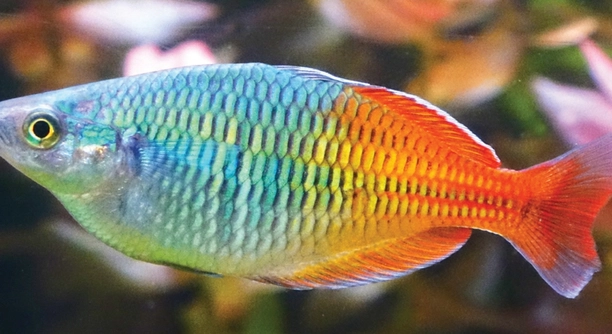
Rainbow fish are vibrant and peaceful creatures, often an attractive addition to your aquarium. However, sometimes they may not get along with each other or other fish. Understanding the signs of disharmony is important for their well-being.
One clear indicator that your rainbow fish is not getting along with others is aggressive behavior, such as chasing or fin nipping. Stress can also lead to hiding, decreased activity, or lack of eating, which are signs of unhappiness in your fish.
Proper observation can help you resolve conflicts between your rainbow fish and ensure they thrive in their environment.
Signs of Aggression in Rainbow Fish
Aggressive behavior in rainbow fish can be a serious sign that they’re not getting along with others. This can manifest as chasing, fin nipping, or biting. If one fish is consistently pursuing another, it can create stress and discomfort for both. Aggression may also result from overcrowding or incompatible tank mates. A stressed-out fish is less likely to be healthy, so it’s crucial to watch for these signs early. Often, aggression is rooted in territoriality, with the fish defending their space from others. Another factor to consider is water quality, which can impact their behavior. If the water conditions aren’t ideal, fish may become agitated and act out.
The best way to manage aggression is by ensuring your tank is large enough and has plenty of hiding spots. This gives your rainbow fish the space they need to feel safe and reduces the chance of territorial disputes.
Properly managing water quality is also key. Regular testing and cleaning will prevent conditions that contribute to stress and aggression.
Stress-Induced Behavior
Stress can significantly affect your rainbow fish, leading to abnormal behavior. A stressed fish may isolate itself or spend more time hiding than usual. It might also stop eating or show a lack of interest in interacting with other fish. These signs often occur when there are conflicts with tank mates or the environment isn’t ideal. Even minor disturbances, such as changes in the water temperature, can lead to stress. Overcrowding is another factor that can cause tension, as fish may feel they have to fight for space or food. In addition, improperly balanced water conditions can lead to discomfort and irritability. If your rainbow fish are stressed, it’s essential to address the root cause quickly to prevent long-term health issues.
When addressing stress, consider removing the aggressor from the tank to give other fish a break. Also, adding more plants or decorations can help fish feel more secure and less exposed to each other. This makes it easier for them to avoid conflict.
Ensuring stable water conditions and providing ample space for all fish in the tank will also help alleviate stress.
Lack of Appetite
If your rainbow fish is not eating, it could be due to stress or aggression from tank mates. Fish tend to lose their appetite when they feel threatened or uncomfortable in their environment. Other reasons might include poor water quality or a sudden change in temperature. These factors disrupt your fish’s natural behavior and feeding habits. Monitoring feeding times and observing whether any fish are bullying others during meals is important.
A drop in appetite often signals something is wrong in the tank. If other fish are pushing the rainbow fish away from food, it’s a sign that they may not be getting along. Stress caused by bullying can cause a loss of interest in food. Sometimes, water conditions may be to blame. If the water temperature fluctuates or if ammonia levels are too high, it can stress the fish out. Make sure the water is properly filtered and free from contaminants.
If you notice your rainbow fish is losing interest in food, consider moving it to a separate tank or rearranging the current one. Providing more hiding spots and reducing stressors in the environment can encourage them to eat.
Hiding Behavior
Rainbow fish that are constantly hiding may be trying to avoid conflict. When fish are stressed, they often retreat to plants or decorations to feel safe. If hiding becomes a common behavior, it’s likely a sign of unease due to aggression or tank mates that aren’t compatible.
Hiding is a natural response for rainbow fish when they feel threatened or uncomfortable. If they feel harassed by other fish, they may seek shelter more often to avoid confrontations. Some rainbow fish may also hide more when they are not feeling well or if the water conditions are poor. Inconsistent water temperatures or low oxygen levels can cause them to retreat and stop interacting with other fish.
To prevent this behavior, ensure your tank is properly set up. Add enough plants, caves, and hiding spots to give all your fish a place to feel secure. Also, check the water regularly to ensure it’s within the appropriate range for your fish.
Unusual Swimming Patterns
When your rainbow fish swims erratically or constantly near the surface, it could signal discomfort. They might be trying to escape aggressive behavior from tank mates or dealing with poor water conditions. Constantly swimming in circles or acting lethargic are also signs of distress.
Unusual swimming patterns often indicate stress. If your fish is swimming in circles or staying near the top of the tank, it’s trying to avoid confrontation or escape unfavorable conditions. The water temperature may also be too warm, which can affect their movement. Stress can also lead to abnormal swimming, where the fish seems disoriented or weak.
If you notice this behavior, check the water quality immediately and ensure the temperature is stable. Consider adding plants or decorations to provide more hiding spots, giving the fish a chance to rest and feel secure.
Fin Nipping
Fin nipping is a common sign of aggression among fish. If your rainbow fish’s fins appear torn or ragged, it could be due to conflicts with other tank mates. This type of behavior often leads to stress and discomfort.
When fish nip at each other’s fins, it can cause lasting damage and hinder normal movement. This usually happens when there is competition for territory or food. If your rainbow fish is the victim of fin nipping, it may become stressed, which can impact its overall health. It’s important to separate aggressive fish or remove those causing harm.
Monitor your fish closely to prevent further damage. If fin nipping continues, rearranging the tank or adding more plants may help reduce aggression and give your rainbow fish a chance to heal.
Uneven Growth
Uneven growth can indicate stress or poor tank conditions. If one rainbow fish is significantly larger than others, it may be due to bullying or malnutrition. Aggressive fish often prevent others from eating or stress them out, affecting their growth.
Growth disparities among fish can also be linked to overcrowding. When there is not enough space for each fish, competition for food increases, and the weaker ones may struggle to grow at the same rate. In addition, poor water quality or irregular feeding schedules can cause some fish to lag in growth. Keeping a proper feeding routine and ensuring a balanced diet is crucial for healthy development.
If you notice uneven growth, it’s important to assess both the tank conditions and fish behaviors. Providing ample space and a well-maintained environment can encourage even growth among all fish.
FAQ
Why is my rainbow fish swimming upside down?
If your rainbow fish is swimming upside down, it could be a sign of swim bladder issues. This condition affects their buoyancy and can occur due to overfeeding, constipation, or an infection. In some cases, stress or poor water conditions might also be the cause. It’s important to check the water temperature, pH, and filtration system to ensure they are within the proper range. If swim bladder issues persist, a change in diet or medical treatment may be necessary.
How can I tell if my rainbow fish is stressed?
Stress in rainbow fish can be observed through behavior changes like hiding, erratic swimming, or a loss of appetite. A stressed fish may also display faded colors, showing signs of discomfort or illness. Poor water quality, overcrowding, or incompatible tank mates are often the primary contributors to stress. Regularly checking the water quality and providing adequate space for each fish can help reduce stress levels.
Can rainbow fish live with other types of fish?
Rainbow fish are generally peaceful and can live with a variety of other fish species. However, they do best in tanks with fish that are similarly calm. Avoid keeping them with overly aggressive species, as this can lead to stress and territorial behavior. A well-planted tank with plenty of hiding spaces will help maintain harmony among the fish.
How often should I feed my rainbow fish?
Rainbow fish should be fed once or twice a day, with portions they can consume in a few minutes. Overfeeding can lead to water pollution and obesity. Offer a balanced diet that includes high-quality flakes, pellets, and occasional live or frozen food, such as brine shrimp. Ensure that all food is consumed to avoid leftovers polluting the water.
What water temperature is best for rainbow fish?
Rainbow fish prefer water temperatures between 72°F and 78°F (22°C to 26°C). It’s important to maintain a stable temperature within this range, as fluctuations can cause stress. Using a reliable heater and thermometer can help keep the water at the ideal temperature for their well-being.
How do I prevent aggression between rainbow fish?
To prevent aggression, it’s essential to maintain a balanced tank environment. Avoid overcrowding, as this increases competition for resources like food and space. Adding plenty of plants, rocks, and decorations can provide hiding spots and reduce territorial behavior. Additionally, maintaining a school of at least 5–6 rainbow fish can help diffuse aggression and reduce stress.
Can I breed rainbow fish in my tank?
Yes, rainbow fish can breed in a well-maintained tank. To encourage breeding, ensure the water temperature is slightly warmer, around 78°F to 80°F (25°C to 27°C). A separate breeding tank is helpful, but if you choose to breed them in your main tank, provide plenty of plants for the eggs to settle. Once the eggs hatch, the parents should be removed to avoid them eating the fry.
Why is my rainbow fish’s color fading?
Color fading in rainbow fish is often a sign of stress, poor diet, or water quality issues. Stress from tank mates, overfeeding, or poor living conditions can cause the fish to lose its vibrant colors. Ensuring that the water is clean and properly balanced, and offering a nutritious diet, can help bring their colors back. Faded colors can also indicate illness, so it’s important to monitor the fish for any other signs of health issues.
Do rainbow fish need a filter?
Yes, rainbow fish require a good filtration system to keep the water clean and oxygenated. Poor water quality can lead to stress and illness, so having an efficient filter helps maintain a healthy environment for your fish. Regular water changes are also important to keep nitrate and ammonia levels in check. Make sure the filter’s current is not too strong, as rainbow fish prefer calmer water.
Why is my rainbow fish staying near the surface?
If your rainbow fish is constantly near the surface, it might be due to low oxygen levels in the tank or a sign of distress. Check the water temperature and ensure the oxygen levels are adequate, especially if you have a large tank or many fish. In some cases, they may swim at the surface to catch more oxygen or because the water is not clean. Adding an air stone or increasing aeration can help.
What should I do if my rainbow fish has damaged fins?
If your rainbow fish has damaged fins, it could be from fighting with other fish or from being nipped by tank mates. First, assess the tank environment to ensure there is no aggression. You may need to separate the aggressor or rearrange the tank to reduce conflict. If the fins are badly damaged, consider adding salt to the tank for healing or consulting an aquarium specialist for treatment options.
Final Thoughts
Rainbow fish are peaceful and beautiful creatures that thrive in stable, well-maintained environments. When they aren’t getting along with other fish or showing signs of distress, it often points to issues such as poor water quality, overcrowding, or incompatible tank mates. By carefully monitoring their behavior and making necessary adjustments, you can create a more peaceful and healthy environment for your fish. Regular tank maintenance and water testing are key to keeping your fish happy and healthy.
Understanding the needs of your rainbow fish is essential for preventing conflicts. Providing enough space, a variety of hiding spots, and avoiding overly aggressive fish will help keep stress levels low. It’s also important to maintain a proper feeding schedule and avoid overfeeding. With the right care and attention, your rainbow fish can thrive and display their full range of vibrant colors. A calm tank environment can also lead to better social behavior and even breeding if conditions are right.
If you notice that your rainbow fish are not getting along or showing signs of stress, don’t hesitate to make changes. The solutions may be as simple as adjusting the water temperature, rearranging tank decorations, or separating aggressive fish. By staying observant and proactive, you can help ensure a healthy and harmonious aquarium. Ultimately, keeping your rainbow fish content and stress-free requires patience, attention, and a commitment to maintaining their ideal living conditions.

Hello,
If you enjoy the content that we create, please consider saying a "Thank You!" by leaving a tip.
Every little bit helps us continue crafting quality advice that supports the health, happiness, and well-being of pets around the world, for pets of all shapes, sizes, and species.
We really appreciate the kindness and support that you show us!