
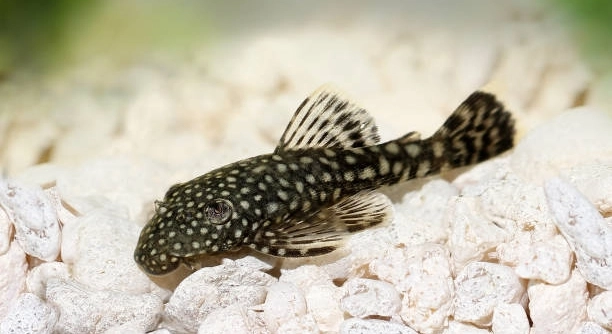
A Plecostomus, or “pleco,” is a popular freshwater fish known for its algae-eating habits. However, like any pet, it can sometimes fall ill. Knowing the signs of illness in your pleco is essential for maintaining its health.
When your plecostomus is sick, it may show signs like changes in behavior, loss of appetite, or visible physical symptoms such as discoloration or lesions. Monitoring these signs closely will help you take quick action to ensure proper care.
Learning how to identify these symptoms will help you act early, potentially saving your pleco from further distress and improving its chances of recovery.
Loss of Appetite
If your pleco is refusing food, it could be a sign of illness. Plecos are usually good eaters, so a sudden loss of appetite is not normal. This could happen due to stress, water quality issues, or an underlying health problem. When a pleco stops eating, it’s important to investigate the cause quickly. Water temperature, pH, and ammonia levels should all be checked regularly to ensure they are in the right range.
Sometimes, a pleco may stop eating because it is sick or stressed. Stress can result from a sudden change in its environment, such as new tank mates or changes in water parameters. If the water is poor quality, the pleco may refuse food as a way to cope with the environment.
Always keep an eye on your pleco’s eating habits and consider water testing if it starts refusing food. If nothing changes after improving the tank conditions, consider seeking help from a vet or aquarist for further guidance.
Skin Lesions or Discoloration
If your pleco’s skin becomes discolored or develops lesions, it’s time to take action. These signs can indicate a bacterial or parasitic infection. The infection could cause redness, white spots, or open sores on its body. It is important to identify the cause quickly to avoid further complications.
For example, if the pleco’s skin becomes pale or starts to develop unusual patches, this could indicate a fungal infection. On the other hand, visible white spots might be a sign of a parasite. Proper diagnosis and treatment are essential.
The best course of action when you notice skin lesions or discoloration is to test the water quality and examine your pleco for other symptoms, such as unusual behavior or lethargy. If you cannot resolve the issue with water changes or tank maintenance, consulting an aquarium vet would be the next step.
Abnormal Swimming Behavior
If your pleco starts swimming erratically or spends most of its time at the surface, it could be a sign of a health issue. Plecos are usually peaceful bottom dwellers, so changes in swimming patterns should not be ignored.
One common cause of abnormal swimming is poor water quality. High levels of ammonia, nitrites, or low oxygen can cause stress, which leads to unusual swimming. Another reason could be a parasite or internal issue that affects movement.
To help, check the water quality and perform a water change if necessary. Also, make sure the tank environment is calm and that no new tank mates are stressing your pleco. If symptoms persist, consider isolating the fish in a quarantine tank to prevent further stress.
Cloudy or Puffy Eyes
Cloudy or swollen eyes can indicate a range of health issues for your pleco. Eye problems can result from infections, parasites, or poor water conditions. Swelling or cloudiness can be painful and prevent the fish from seeing properly, affecting its behavior.
Eye infections in plecos may be caused by bacterial or fungal issues. It’s essential to act quickly because untreated eye infections can worsen and lead to permanent damage. Check the water quality, especially ammonia and nitrate levels, as these can irritate the eyes. Make sure the pleco is not rubbing against tank surfaces, which may indicate irritation.
Treatment will depend on the underlying issue. For a bacterial infection, anti-bacterial medication may help. For a fungal infection, an antifungal solution might be needed. Regular water changes and maintaining good water quality will also help prevent eye problems from recurring.
Rapid Gasping for Air
If your pleco is rapidly gasping at the surface of the water, it could indicate low oxygen levels or water quality problems. Healthy plecos typically swim near the bottom, where the oxygen is sufficient. Gasping for air is a clear sign that something’s wrong.
Check the water parameters first. Low oxygen levels, high ammonia, or high nitrite levels can cause distress. To improve the situation, ensure the tank is properly aerated, and perform a water change. If the gasping persists, it might be worth isolating the pleco in a separate tank to prevent stress from other fish.
Excessive Hiding
Plecos are generally social fish, though they tend to hide during the day. If your pleco is hiding excessively or for long periods, it could be a sign of stress or illness. Prolonged hiding can sometimes mean your fish is unwell.
Make sure the water conditions are optimal, as poor water quality can cause stress and cause your pleco to hide more than usual. If water quality is fine, check for signs of illness, such as unusual behavior or skin lesions. If the pleco continues to hide, consider moving it to a quieter, stress-free environment.
Visible Parasites
Visible parasites are a clear sign that your pleco is sick and needs immediate attention. These parasites may appear as small white spots, slimy patches, or fuzzy growths on the body, gills, or fins. This is often a sign of a serious infection.
If you notice anything unusual on the skin, it is crucial to diagnose the issue early. Parasites like Ich or skin flukes can spread quickly, so isolation of the infected pleco is recommended. Treating with anti-parasitic medications or a salt bath may help, depending on the type of parasite.
FAQ
How can I tell if my plecostomus is stressed?
Stress in plecos can manifest in a few ways. Common signs include excessive hiding, abnormal swimming, and loss of appetite. Stress may also cause your pleco to become more aggressive, especially toward tank mates, or it might show signs of physical damage like torn fins. Stress can be triggered by poor water quality, sudden changes in the environment, aggressive tank mates, or overcrowding. Always monitor water parameters, ensure the tank is well-maintained, and keep the tank environment calm to reduce stress.
What are the best water conditions for a pleco?
Plecos prefer a stable environment with clean water. The ideal water temperature for most plecos is between 74°F and 80°F (23°C to 27°C). They thrive in slightly acidic to neutral water, with a pH between 6.5 and 7.5. Ammonia and nitrite levels should be at 0, while nitrates should stay below 20 ppm. Regular water changes (about 25-30% weekly) and a good filtration system are crucial for maintaining these conditions. Monitoring the water regularly is essential to avoid fluctuations that could stress your pleco.
What causes a pleco’s skin to turn pale or discolored?
Pale or discolored skin in a pleco may be caused by poor water quality, disease, or stress. Bacterial infections, parasites, and even fungal infections can lead to changes in coloration. Another common cause is an environmental imbalance, such as high ammonia levels or poor water filtration. If you notice discoloration, test your water and do a partial water change. It’s also a good idea to isolate the fish if you suspect an infection to prevent it from spreading. If symptoms persist, a veterinarian specializing in fish may be necessary.
How do I treat my pleco for a parasite infection?
Parasites like Ich or skin flukes can cause visible symptoms like white spots, slimy patches, or cloudy skin. Treatment depends on the type of parasite. For Ich, increasing the water temperature slightly and using an anti-parasitic medication is often effective. Other parasites may require different treatments, like salt baths or specific medicated solutions. Make sure to isolate the infected pleco to prevent spreading and follow the medication instructions carefully. Improving water conditions and maintaining good filtration can help prevent future outbreaks.
Can plecos live with other fish?
Yes, plecos can live with other fish, but there are some things to keep in mind. Plecos are generally peaceful but can be territorial, especially when they feel crowded. They usually get along well with larger, peaceful species. However, smaller fish or aggressive tank mates might cause stress or harm to your pleco. It’s important to choose tank mates that are calm and won’t compete for space or food. Ensure the pleco has enough hiding spots to feel secure and avoid aggression from other fish.
Why is my pleco constantly hiding?
Plecos are nocturnal creatures, and it’s normal for them to hide during the day. However, if your pleco is hiding all the time, it could be a sign of stress or illness. Poor water quality, sudden environmental changes, or aggressive tank mates can all contribute to excessive hiding. Check the water parameters and make sure your pleco’s environment is calm. If the behavior continues, look for other symptoms like changes in appetite, color, or swimming patterns, as these could indicate a health issue.
What should I do if my pleco stops eating?
If your pleco stops eating, it may be a sign of illness, poor water conditions, or stress. First, check the water quality to make sure there are no imbalances in temperature, pH, or ammonia levels. Stress from sudden changes or aggressive tank mates can also affect your pleco’s appetite. If the water conditions are good and there are no obvious stressors, your pleco may have a health issue such as a parasite or infection. In this case, consulting with a vet specializing in fish would be a good next step.
How do I prevent my pleco from getting sick?
Maintaining good water quality is key to preventing illness in your pleco. Regular water changes, proper filtration, and monitoring of water parameters (ammonia, nitrites, nitrates, pH, and temperature) will keep the environment stable. Avoid overfeeding, as leftover food can degrade water quality. A balanced diet with algae wafers, vegetables, and occasional protein will keep your pleco healthy. Additionally, avoid sudden changes to the tank environment, and make sure the pleco has plenty of hiding spots to feel secure. Regularly inspect your pleco for signs of illness or stress.
How can I tell if my pleco has a bacterial infection?
Bacterial infections in plecos often cause symptoms like redness, swelling, lesions, or cloudy eyes. You might also notice the pleco acting lethargic, swimming erratically, or refusing food. If a bacterial infection is suspected, water changes can help improve water quality, but antibiotics may be necessary for treatment. It’s important to isolate the infected pleco to avoid spreading the bacteria to other fish in the tank. If the infection doesn’t improve or worsens, seek advice from a vet who specializes in aquatic animals.
Can I treat my pleco with salt?
Salt can be useful in treating certain fish diseases, such as parasites or mild bacterial infections. It’s important to use aquarium salt and follow dosage instructions carefully. Too much salt can harm your pleco, so it’s best to start with small doses and gradually increase if needed. Salt baths can also be used for short periods to treat skin parasites. Always ensure that the salt treatment is appropriate for your specific pleco species, and keep a close eye on your fish’s behavior during the process.
Final Thoughts
Taking care of a plecostomus requires attention to detail and regular monitoring. While plecos are known for their algae-eating habits and peaceful nature, they can still experience health issues that need to be addressed quickly. Recognizing the signs of illness early is key to preventing serious health problems. From changes in behavior like loss of appetite to physical signs like skin discoloration, your pleco’s health will often give you clues that something is wrong. By keeping a close eye on your fish and maintaining a stable tank environment, you can help ensure that your pleco stays healthy for years.
The quality of the water in your pleco’s tank plays a major role in its overall well-being. Poor water quality is one of the most common causes of stress and illness in aquarium fish. It’s essential to regularly test the water for things like ammonia, nitrites, and pH levels to ensure they are in the correct range. Performing regular water changes, using a good filtration system, and avoiding overfeeding will help keep the tank environment stable. Additionally, make sure that the temperature is within the appropriate range for your pleco species. When all these factors are balanced, your pleco will have a much better chance of thriving.
If your pleco does get sick, don’t panic. There are many treatments available to help with common issues like parasites, infections, and stress. However, identifying the problem as early as possible will improve your chances of successful treatment. Whether it’s isolating the fish, improving water quality, or seeking advice from a vet, prompt action is crucial. Plecos are hardy fish, and with the right care, they can live long, healthy lives. Regular observation, a proper diet, and a well-maintained tank are the best ways to keep your pleco happy and disease-free.

Hello,
If you enjoy the content that we create, please consider saying a "Thank You!" by leaving a tip.
Every little bit helps us continue crafting quality advice that supports the health, happiness, and well-being of pets around the world, for pets of all shapes, sizes, and species.
We really appreciate the kindness and support that you show us!