
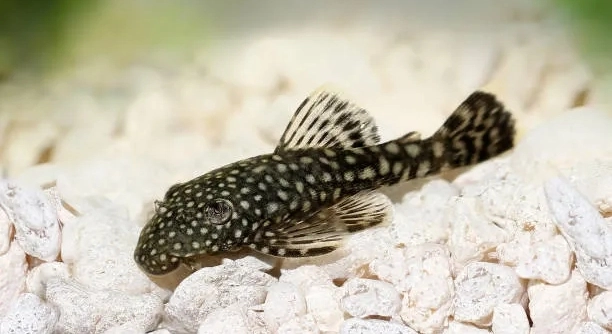
A healthy Plecostomus is a joy to watch, but overstimulation can lead to stress and other health issues. It’s important to be aware of certain behaviors that indicate your fish might be feeling overwhelmed.
Overstimulated Plecostomus may show signs such as erratic swimming, excessive hiding, or even aggression toward other tank mates. It is essential to identify these behaviors early to prevent stress from negatively affecting their overall well-being.
Understanding these signs will help ensure your Plecostomus stays calm and healthy, allowing you to create a peaceful tank environment.
1. Overactive Swimming Patterns
When your Plecostomus begins to swim erratically, it could be a sign of overstimulation. This could involve sudden darting or rapid back-and-forth movements. This behavior often occurs when they feel trapped or stressed. Fish in an aquarium typically swim in a controlled, calm manner, but if something is disturbing them, they may react by speeding up or moving erratically. Overstimulated fish might also swim near the surface more than usual, searching for a way to escape. It’s important to observe whether their movements are constant or if they exhibit signs of exhaustion from their heightened activity.
Overactive swimming can signal a need for space or a different environment. It’s crucial to ensure your Plecostomus has plenty of room to explore. If the tank feels too crowded, consider rearranging decorations or increasing the water space.
Providing a calm and spacious environment can help reduce overstimulation. Monitoring water conditions like temperature and pH levels can further create a stable atmosphere for your fish.
2. Hiding More Than Usual
If you notice your Plecostomus spending more time in hiding, it could be a response to stress. Fish that are overstimulated might seek refuge in darker corners or under decorations as they try to escape the overbearing environment. This behavior is common when they feel overwhelmed by sudden changes in the tank, like loud noises, bright lights, or new tank mates. Plecostomus are typically more active during the night and are naturally nocturnal. However, if they’re hiding more during the day, it’s a clear sign of distress.
Long periods of hiding could lead to other health issues. If your Plecostomus stays hidden for extended periods, it’s important to address the cause. Stress can lead to weakened immune systems and even a lack of appetite.
Ensure your tank has sufficient hiding spots, but avoid overloading it. Sometimes the environment might be too stimulating, so adjusting the lighting or adding more plants can help ease the tension.
3. Aggressive Behavior Towards Tank Mates
An overstimulated Plecostomus may become aggressive toward its tank mates. This can include chasing, nipping, or even aggressive posturing. If your Plecostomus is showing these signs, it’s likely that they are under stress from environmental factors or competition for resources like food. Plecos are typically peaceful, so sudden aggression is a red flag. They may also become territorial and try to claim certain areas of the tank, which could lead to clashes with other fish. Aggression can also be more prominent in smaller tanks where the fish feel confined.
A significant change in water parameters can also heighten this behavior. Sudden shifts in temperature, pH, or water hardness can confuse your Plecostomus and cause it to act out. Tank mates can be affected by this aggression, so it’s essential to create a balanced environment where every fish feels secure.
To reduce aggression, consider adjusting the tank layout to provide hiding spots and territories. Keep your Plecostomus well-fed and monitor the water conditions closely to ensure the environment remains calm.
4. Loss of Appetite
If your Plecostomus is eating less than usual, it may be a sign that they are overstimulated. Stress can affect their natural feeding habits, causing them to lose interest in food. Overstimulated fish may feel too anxious to eat or may even feel threatened by changes in their environment, reducing their appetite. When they’re overstressed, they may ignore their favorite foods or refuse to eat altogether. A decreased appetite is often linked to both environmental stress and potential health issues.
It’s crucial to maintain a feeding routine and offer a variety of foods to entice them. If your Plecostomus is refusing food, check the water conditions for any imbalances. Stress from poor water quality can often cause fish to lose their appetite. Additionally, overcrowding can make your Plecostomus feel anxious about feeding.
Make sure there’s no competition at mealtime, as this may further stress your Plecostomus. By ensuring a stable environment, your Pleco will feel safe to eat again.
5. Excessive Surface Swimming
If your Plecostomus is spending more time swimming at the surface, it could be due to overstimulation. This behavior often occurs when fish are stressed and looking for a way to escape or adjust to their environment. They may swim near the water surface, searching for more oxygen or avoiding disturbances below.
Surface swimming might also indicate poor water conditions, such as low oxygen levels. It’s important to check your water parameters regularly to ensure they’re in optimal ranges for your Plecostomus. This behavior can often be reversed by improving the overall water quality in the tank.
6. Unusual Fins or Tail Movements
Your Plecostomus may show unusual fin or tail movements when overstimulated. This could include flicking or twitching, which is a response to stress. This behavior can be a way for your fish to communicate that something in their environment isn’t quite right, like water temperature or tank mates.
Unusual fin and tail movements might also signal physical irritation from decorations or other objects in the tank. Ensure that there are no sharp or rough surfaces that could be causing harm. The right environment will keep your Plecostomus calm and prevent these unsettling movements.
7. Cloudy or Discolored Skin
Overstimulated Plecostomus may develop cloudy or discolored skin. Stress can weaken their immune system, making them more susceptible to infections that affect their appearance. Discolored patches may appear on their skin, which can be a sign that your fish is struggling to cope with an unhealthy environment.
FAQ
Why is my Plecostomus hiding more than usual?
Hiding more than usual is a clear sign that your Plecostomus is feeling stressed or overstimulated. They may retreat to darker areas of the tank or stay behind decorations to avoid disturbances. Changes in water conditions, such as temperature or pH shifts, can trigger this behavior. Additionally, new tank mates or loud noises might make your Pleco feel unsafe. If your fish is hiding for extended periods, consider adjusting the tank environment, providing more hiding spots, or testing the water quality to ensure everything is in balance.
How can I tell if my Plecostomus is overstimulated by their tank mates?
Overstimulated Plecostomus may show signs of aggression or nervousness around their tank mates. This could involve chasing other fish, nipping at them, or aggressively defending territories. It’s common for Plecos to become stressed in a tank with overly active or dominant tank mates. To help ease the stress, you can try rearranging the tank layout to give your Pleco more space or adjust the water conditions to make the environment more calming.
Can the water temperature affect my Plecostomus’ behavior?
Yes, water temperature plays a major role in your Plecostomus’ behavior. If the water is too warm or too cold, it can stress them out and lead to overstimulation. Plecos prefer a stable temperature range, typically between 72°F and 82°F (22°C to 28°C). If the temperature fluctuates too much, your fish may become more lethargic or even start exhibiting erratic behavior. Regularly check the water temperature and use a heater or cooler to maintain a stable environment.
What should I do if my Plecostomus is not eating?
Loss of appetite is a common sign of stress or overstimulation. If your Plecostomus isn’t eating, first check the water conditions. Poor water quality or sudden changes in temperature can make your fish feel uncomfortable and lead to a loss of appetite. Make sure the tank is clean and the water parameters are within the appropriate ranges. You may also want to try offering different types of food, such as algae wafers, vegetables, or sinking pellets, to tempt your fish back into eating.
How can I prevent my Plecostomus from becoming overstimulated?
The best way to prevent overstimulation is by providing a calm and stable environment. Ensure the tank is large enough for your Plecostomus to move freely. Avoid overcrowding the tank and provide plenty of hiding spots and decorations where they can retreat if they feel stressed. Keep the water conditions stable by performing regular water changes and testing the parameters frequently. Reducing noise and disturbance around the tank can also help your Pleco feel more at ease.
Can tank lighting affect my Plecostomus’ stress levels?
Yes, tank lighting can have a significant impact on your Plecostomus’ stress levels. Too much bright light can overstimulate them and make them feel exposed or threatened. Since Plecos are nocturnal, they generally prefer dimmer conditions. Consider using softer, subdued lighting or providing shaded areas in the tank to give your Pleco a break from constant light exposure. Using a timer to regulate the light cycle can also create a more natural day-night rhythm, helping your fish feel more comfortable.
Is it normal for my Plecostomus to be more active at night?
Yes, it is completely normal for your Plecostomus to be more active during the night. Plecos are nocturnal creatures, so they tend to rest during the day and become more active after the lights go out. If you notice your fish becoming more active at night, this is likely a sign that they are following their natural behavior. However, if your Plecostomus seems overly active or agitated even during the night, this could indicate overstimulation, and you may need to adjust their environment to help them settle.
Should I consider adding more Plecos to my tank if one seems overstimulated?
Adding more Plecos to your tank may not be the best solution if one seems overstimulated. Plecos are generally solitary fish, and adding more may increase territorial aggression. Overcrowding can also contribute to stress. Instead, focus on ensuring that your current Plecostomus has enough space to roam and that the water conditions are optimal. If your Plecostomus is particularly stressed, it might benefit more from having a peaceful environment with fewer tank mates rather than more.
How often should I clean my Plecostomus’ tank?
Cleaning your Plecostomus’ tank regularly is important to maintain a healthy environment. It’s recommended to perform partial water changes every one to two weeks to keep the water quality high. You should also clean the substrate, remove uneaten food, and scrub any algae buildup on surfaces. Overly dirty tanks can lead to poor water conditions, which may stress your Plecostomus and cause it to become overstimulated. Regular maintenance will help prevent stress and keep your fish healthy.
Can I use a filter to reduce overstimulation for my Plecostomus?
Yes, using a filter can help maintain good water quality, which in turn reduces overstimulation. Plecostomus need clean, oxygen-rich water, and a filter can assist in keeping the tank environment stable. However, it’s important to ensure the filter isn’t too strong. High water flow can create additional stress for your fish. Opt for a filter with adjustable flow settings to maintain a balance between clean water and a calm environment.
Final Thoughts
Overstimulated Plecostomus can show a range of signs that are important to watch for, as they indicate stress or discomfort in the fish. By understanding the behaviors linked to overstimulation, such as unusual swimming patterns, hiding more frequently, or changes in skin color, you can address the problem before it becomes a serious issue. These signs are often subtle, but paying attention to them can make a big difference in your Pleco’s well-being.
Creating a stable and peaceful environment is key to preventing overstimulation. Ensure your Plecostomus has enough space in the tank, as overcrowding can lead to stress. Regular water changes and maintaining the right water conditions will help keep your fish calm. It’s also important to minimize disturbances, like loud noises or aggressive tank mates, which can add to your Pleco’s stress. Providing plenty of hiding spots and areas to retreat to is essential for making your fish feel safe and secure.
If you notice that your Plecostomus is displaying signs of overstimulation, addressing the issue quickly can improve their health. Simple changes, such as adjusting the water temperature or rearranging the tank, can have a positive impact. A calm, stable environment will help your Pleco thrive and prevent stress-related health problems. Monitoring your fish’s behavior and making adjustments as needed will go a long way in ensuring they live a long, healthy life.

Hello,
If you enjoy the content that we create, please consider saying a "Thank You!" by leaving a tip.
Every little bit helps us continue crafting quality advice that supports the health, happiness, and well-being of pets around the world, for pets of all shapes, sizes, and species.
We really appreciate the kindness and support that you show us!