
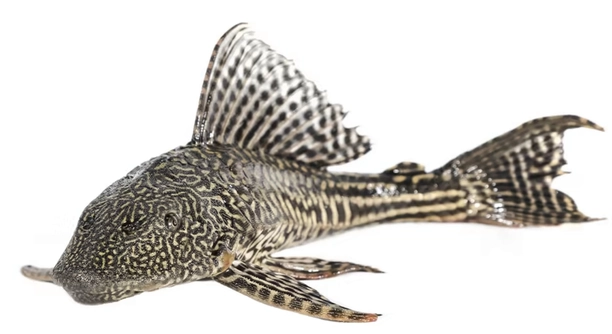
If you own a plecostomus, you may have noticed odd behavior at times. These fish are sensitive to their environment, and oxygen levels can affect their health. Understanding their needs can help you provide a better habitat for them.
Lack of oxygen in your plecostomus tank can lead to distress and health issues. Signs include rapid gill movement, lethargy, loss of appetite, or gasping at the surface. Proper aeration and water flow are essential for their well-being.
Addressing these signs early can ensure a healthier and happier plecostomus. With the right steps, you can prevent further complications and improve their living conditions.
Signs of Oxygen Deficiency in Your Plecostomus
Oxygen deficiency can cause your plecostomus to behave unusually. One of the first signs is rapid gill movement. You may notice your pleco constantly swimming to the surface, trying to gulp air. This behavior indicates they are struggling to get enough oxygen from the water. Inadequate oxygen levels can also cause lethargy, where your pleco remains still for long periods. They may not be as active as they usually are. Another indicator is a loss of appetite, as a lack of oxygen can reduce their desire to feed.
Improper water conditions are often to blame. Without enough oxygen, your plecostomus becomes stressed, affecting its overall health.
To help your pleco, increase water movement with an air pump or filter. You can also add live plants, which help oxygenate the water. Regular water changes are essential, as they can improve the oxygen levels and remove harmful toxins. It’s vital to monitor these conditions closely for the well-being of your pleco. If the water remains oxygen-deprived, your plecostomus may become weak and more vulnerable to diseases. By adjusting these factors, you’ll ensure a more comfortable and healthier environment for your fish.
How to Improve Oxygen Levels
Increasing oxygen levels in your tank can be done through simple methods. An air pump or sponge filter is one of the most effective ways.
Proper water circulation helps increase oxygen flow. A high-quality filter that can move water efficiently will improve oxygen distribution. Adding an air stone will also help break the water surface, increasing gas exchange and boosting oxygen levels. Make sure to monitor your pleco’s behavior after making adjustments to ensure they are responding positively to the changes.
The Importance of Proper Water Filtration
A good filtration system is key to ensuring your plecostomus has access to clean, oxygen-rich water. Without it, waste can build up, reducing water quality and oxygen levels.
Filtration systems that combine mechanical, biological, and chemical filtration work best. Mechanical filters remove debris, while biological filters support beneficial bacteria that break down harmful toxins. Chemical filters absorb unwanted substances, improving overall water quality. A good filter keeps water moving, which also helps oxygen circulate more effectively.
When choosing a filter, consider the size of your tank and the needs of your plecostomus. Opt for one with adjustable flow rates so you can fine-tune the water movement for your fish’s comfort. Regular maintenance, such as cleaning the filter media, is crucial to prevent clogging and ensure consistent water quality. A properly maintained filtration system supports not only oxygen levels but also the overall health of your plecostomus and other tank inhabitants.
The Role of Temperature in Oxygen Levels
Water temperature directly impacts how much oxygen can dissolve into the water. Higher temperatures reduce the solubility of oxygen, meaning less oxygen is available for your plecostomus.
If your aquarium water is too warm, it can lead to stress for your plecostomus. Maintaining a stable, moderate temperature is crucial for their health and oxygen efficiency. A range of 74-78°F (23-26°C) is ideal for most plecos. Anything above 80°F (27°C) could cause oxygen levels to drop significantly, increasing the risk of oxygen deprivation.
Investing in a reliable aquarium heater with a built-in thermostat ensures that the temperature stays within a safe range. Regularly check the water temperature with a thermometer to make sure it’s not fluctuating too much. Keeping the water temperature stable helps maintain healthy oxygen levels, reducing stress on your plecostomus.
Adding Live Plants for Oxygenation
Live plants can help boost oxygen levels in your aquarium. They naturally release oxygen into the water during photosynthesis.
In addition to oxygenating the water, live plants provide shelter and a more natural environment for your plecostomus. Plants like Anubias or Java Fern are low-maintenance and thrive in aquarium conditions.
Regular Water Changes
Frequent water changes help maintain good oxygen levels. Replacing a portion of the water removes toxins and replenishes oxygen-rich water.
Aim for a 25-30% water change every week or two. This routine helps control ammonia, nitrite, and nitrate levels while improving oxygen levels in the tank. Regular changes also keep the tank free from harmful waste build-up, which could otherwise cause oxygen depletion.
FAQ
How can I tell if my plecostomus needs more oxygen?
Your plecostomus may exhibit signs of oxygen deficiency, such as rapid gill movement, gasping at the water surface, or lethargy. If your pleco is less active than usual or has trouble swimming, it’s likely struggling to breathe. Keep an eye on their behavior, especially when water conditions fluctuate.
What can I do if my plecostomus is gasping for air?
If your plecostomus is gasping, increase water movement with a filter or air pump. Adding an air stone will improve oxygen exchange at the water’s surface. Make sure the tank is not overcrowded and that water parameters, such as temperature and pH, are optimal.
Can I use a surface skimmer to increase oxygen in the tank?
Yes, a surface skimmer can help increase oxygen levels. It agitates the water surface, promoting gas exchange. However, make sure the skimmer isn’t too powerful or disruptive to your plecostomus. Gradual water movement is better than a sudden, forceful flow.
Does the size of the tank affect oxygen levels?
Yes, the size of the tank does affect oxygen levels. Larger tanks generally have better oxygen distribution due to the volume of water and space for movement. However, overcrowding can still deplete oxygen, even in a larger tank. Ensure your plecostomus has enough space to swim freely.
How often should I clean my tank to ensure oxygen levels stay stable?
Regular tank cleaning is crucial for maintaining good oxygen levels. Clean your tank every week, especially the substrate and filter. Remove debris and excess food to prevent toxins from building up, which can reduce oxygen levels and harm your plecostomus.
Is it okay to have a plecostomus in a tank with low oxygen?
It is not ideal to keep your plecostomus in a tank with consistently low oxygen levels. Oxygen deprivation can lead to stress, poor health, and even death. If you notice signs of oxygen deficiency, take action immediately to improve water circulation, add aeration, and maintain clean water conditions.
Can a plecostomus live without a filter?
While plecostomus can survive without a filter for a short time, it’s not recommended. Filters play a significant role in oxygenating the water, removing waste, and maintaining stable water conditions. Without a filter, water quality can quickly deteriorate, leading to health issues for your plecostomus.
Are plecostomus sensitive to changes in oxygen levels?
Yes, plecostomus are sensitive to oxygen fluctuations. They require stable conditions to thrive. Sudden drops in oxygen can stress them out, affecting their feeding and overall behavior. Gradually adjust oxygen levels to avoid shocking your pleco.
What is the ideal oxygen level for plecostomus?
The ideal oxygen level for plecostomus is between 5-7 mg/L. This ensures they have enough oxygen to swim, eat, and grow. Regular water testing and adjustments, such as improving aeration and water movement, will help maintain these levels.
How does overfeeding affect oxygen levels?
Overfeeding your plecostomus can lead to excess food breaking down in the tank, producing harmful waste and depleting oxygen. Feed only what your pleco can consume within a few minutes and remove any uneaten food. This helps maintain both water quality and oxygen levels.
Should I add an air stone in a plecostomus tank?
Adding an air stone is a good idea if your plecostomus is in a tank with low oxygen. The air stone helps improve surface agitation, promoting oxygen exchange. Just ensure that the flow is gentle, as plecostomus prefer calm water.
Can live plants help improve oxygen levels in my plecostomus tank?
Yes, live plants contribute to oxygen levels by absorbing carbon dioxide and releasing oxygen through photosynthesis. Plants like Java Fern, Anubias, or Amazon Sword are great choices for a plecostomus tank. They also offer hiding places, which plecos enjoy.
What temperature should I keep my tank at for optimal oxygen levels?
The ideal temperature range for plecostomus is between 74-78°F (23-26°C). Water that is too warm reduces oxygen solubility, causing stress for your pleco. Keep the tank temperature within this range to ensure optimal oxygen levels and overall health.
Can I use a sponge filter for my plecostomus tank?
A sponge filter can be a great option for a plecostomus tank, especially if you’re looking for gentle water flow. It helps oxygenate the water and provides mechanical and biological filtration. Just ensure the size of the sponge filter matches your tank’s needs.
Is it necessary to have a bubbler in the tank for plecostomus?
A bubbler can help increase oxygen levels, but it’s not strictly necessary if you already have a proper filter and good water movement. However, if your tank has low aeration, a bubbler will enhance oxygen exchange, especially in tanks with dense plant life or a high fish load.
Can plecostomus survive in low-oxygen water conditions?
Plecostomus can survive short periods in low-oxygen water, but it severely impacts their health over time. Long-term exposure to poor oxygen conditions can lead to stress, weakened immunity, and even death. Regularly check water parameters and take steps to ensure they have access to enough oxygen.
Are plecostomus more active in well-oxygenated water?
Yes, plecostomus are generally more active when the water has good oxygen levels. In well-oxygenated water, your pleco will swim more freely, feed better, and display more natural behavior. If your pleco seems sluggish, it may be due to a lack of oxygen.
Can I have other fish in a tank with a plecostomus and low oxygen?
Low oxygen levels affect all fish, not just plecostomus. If you have other fish in the same tank, they may also show signs of distress. It’s crucial to address the oxygen issue promptly to maintain a healthy environment for all tank inhabitants.
Final Thoughts
Ensuring your plecostomus has enough oxygen is essential for its well-being. These fish rely on stable, oxygen-rich environments to thrive. Without sufficient oxygen, your pleco may become stressed, less active, and more prone to health problems. Monitoring oxygen levels and maintaining good water quality should be a top priority in any plecostomus tank. Aeration, water movement, and regular water changes can help maintain these conditions, allowing your pleco to live comfortably and healthily.
In addition to proper oxygenation, other factors such as tank size, water temperature, and feeding habits also play a role in your plecostomus’ overall health. A well-maintained tank will not only support oxygenation but also provide a stable environment that reduces stress and promotes natural behaviors. The presence of live plants can help improve oxygen levels naturally, while aeration tools like air stones and filters provide additional support. Regular tank maintenance, including cleaning and monitoring water parameters, ensures the best possible conditions for your plecostomus to thrive.
While it’s important to focus on oxygen levels, it’s just as crucial to consider the overall ecosystem in your tank. Overcrowding, poor water quality, and inadequate filtration can all lead to oxygen depletion, so it’s essential to maintain balance. Keep an eye on your plecostomus’ behavior, as changes in activity or feeding habits can be signs of oxygen-related stress. Taking proactive measures to improve oxygenation and water quality will contribute to a healthier, more vibrant tank for your plecostomus and any other aquatic life you have.

Hello,
If you enjoy the content that we create, please consider saying a "Thank You!" by leaving a tip.
Every little bit helps us continue crafting quality advice that supports the health, happiness, and well-being of pets around the world, for pets of all shapes, sizes, and species.
We really appreciate the kindness and support that you show us!