
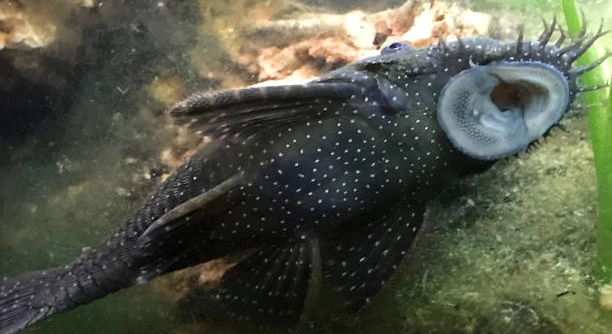
Plecos are popular freshwater fish known for their algae-eating habits. However, like all pets, they have specific needs. If you notice any odd behaviors, it could be a sign that your pleco needs more space in its tank.
Plecos require a larger tank as they grow. If a pleco feels cramped, it may exhibit signs of stress such as excessive hiding, unusual swimming patterns, or poor appetite. Inadequate space can hinder its health and overall well-being.
Addressing these concerns promptly will help your pleco thrive and create a better living environment for your aquatic pet. Keep reading to learn more about the signs and how to provide a suitable space.
Excessive Hiding or Hiding More Often
Plecos are generally active fish, often seen grazing on algae or exploring their tank. If your pleco is hiding more frequently than usual, it could be a sign that it’s feeling stressed due to limited space. When a pleco doesn’t have enough room to swim comfortably, it may retreat to dark, quiet areas of the tank to feel safe. This behavior becomes more noticeable if the tank is overcrowded or has too many decorations, leaving the pleco with fewer places to move around freely.
If your pleco’s hiding habits increase, it’s important to assess the tank size and layout. A cramped space can significantly impact its comfort, leading to increased stress.
Adding more space and reducing overcrowding can make a big difference in your pleco’s well-being. With room to explore, your pleco will likely feel safer and become more active, which is essential for its health.
Decreased Appetite and Poor Health
Another sign of insufficient space is a decrease in appetite. A stressed pleco may stop eating or eat significantly less due to the lack of space. This can lead to further health issues, such as weight loss or sluggish behavior. When plecos don’t have enough room to swim and exercise, they can develop unhealthy habits, including poor feeding patterns.
Fish that live in confined spaces may also stop interacting with their environment as they usually would. Their energy levels drop, and this lack of stimulation can lead to poor health. In some cases, stress from overcrowding can weaken their immune system, making them more susceptible to diseases.
Providing a larger, more open tank allows your pleco to feel more secure. It will also allow it to eat regularly, maintain its energy, and keep a healthy appetite.
Unusual Swimming Patterns
Plecos are active swimmers, but when space is limited, their swimming behavior may change. Instead of freely gliding through the tank, they may swim in circles or back and forth in one spot. These patterns are signs of distress, as the pleco tries to navigate through a confined area. If your pleco is constantly bumping into tank walls or other objects, it’s likely struggling with its environment.
A pleco in a cramped tank can also become frustrated, leading to erratic movements or constant searching for an escape. It may seem like the pleco is restless or even confused. In some cases, they may also rub against objects or rocks, which could result in injuries.
To help alleviate these behaviors, consider adjusting the layout of the tank. More open space will allow your pleco to swim naturally and explore its surroundings, improving its mental and physical health.
Struggling to Find a Comfortable Spot
Plecos are bottom dwellers that thrive in tanks with plenty of space for them to find a comfortable resting spot. If your pleco seems to struggle to find a place to settle or constantly moves from one spot to another, it may be another sign that the tank is too small. A crowded tank often results in limited choices for the pleco to hide or rest, causing them to become stressed.
This lack of resting area can affect their overall well-being. In their natural environment, plecos can move freely and select ideal spots to rest during the day. Without this option, they may grow increasingly anxious or even stop using their tank’s bottom area altogether.
By providing more space, either by upgrading to a larger tank or rearranging the current setup, your pleco will have more freedom to find a resting spot. This simple change can make your pleco feel secure, reducing stress and promoting better overall health.
Aggressive Behavior Toward Tankmates
If your pleco is displaying more aggression than usual, it might be feeling cramped in its current environment. Plecos can become territorial, especially when they have limited space. This aggression could be directed toward other fish or even toward the tank’s decorations.
A stressed pleco may attempt to establish dominance over its small territory by chasing other tankmates or blocking them from food sources. In some cases, this behavior might escalate to physical aggression, including nipping fins. Such actions are usually a sign that your pleco is uncomfortable and is trying to defend its space.
Providing a larger tank or rearranging the layout can help reduce territorial disputes and aggression. This gives your pleco more freedom to roam without feeling threatened by other fish or the environment around it.
Slow Growth or Stunted Size
If your pleco’s growth seems to have slowed down, lack of space could be the cause. A pleco confined to a small tank may not grow to its full potential due to stress and limited swimming area. Proper growth requires room for physical activity and access to a well-balanced environment.
Plecos are bottom dwellers, so they need a tank that offers both vertical and horizontal space to thrive. When they don’t have room to swim, forage, or explore, their growth can be stunted. As a result, they may look smaller than expected for their age or species.
Upgrading to a larger tank allows your pleco to grow naturally. With more space to move around and better water quality, your pleco will be able to develop to its full size and health potential.
Increased Algae Growth
If you notice that algae is growing faster than usual in your tank, your pleco may not be able to keep up due to lack of space. Plecos help manage algae growth, but overcrowded tanks reduce their ability to move around and graze effectively.
A cramped tank can limit your pleco’s access to algae, leading to overgrowth in certain areas. With less room to roam, the pleco may also be unable to reach all the algae it normally consumes. This results in an imbalance where algae continue to spread rapidly, affecting the overall tank environment.
Providing more space will allow your pleco to graze efficiently. It can reach more areas of the tank, keeping the algae under control and improving the water quality.
Poor Water Quality
When your pleco is confined to a small tank, water quality can suffer. Limited space often leads to overcrowding, which results in higher waste levels and more frequent water changes. Poor water quality can significantly affect your pleco’s health.
A small, overcrowded tank doesn’t have enough filtration capacity to keep up with the waste produced by all the fish. As a result, ammonia and nitrite levels rise, creating a toxic environment for your pleco. The stress from poor water quality can further worsen their behavior and health.
By upgrading to a larger tank, you ensure better water filtration and a healthier environment. Your pleco will benefit from cleaner water, which is essential for its well-being.
Reduced Activity Levels
A pleco that has limited space to move around may become lethargic. When a fish is unable to swim freely, its energy levels decrease, leading to a noticeable drop in activity.
Plecos are naturally active and enjoy exploring their environment. Without enough room, they become sedentary, resulting in a lack of exercise and even a reduction in their lifespan. This inactivity can also contribute to weight loss and muscle atrophy.
Giving your pleco more space will encourage natural behaviors and help maintain a healthy, active lifestyle. With room to swim and explore, it will become more energetic and feel less stressed.
FAQ
What size tank is ideal for a pleco?
For most plecos, a 75-gallon tank is considered the minimum. Larger species may require even more space as they grow. A tank this size provides enough room for swimming and grazing. Smaller tanks lead to stress and health issues due to overcrowding. If your pleco is still growing, consider a tank size of 100 gallons or more to ensure ample space for long-term care.
Can plecos live in a 20-gallon tank?
A 20-gallon tank is generally too small for most pleco species, especially as they grow. While juvenile plecos may be able to live in smaller tanks temporarily, it is important to upgrade their space before they reach full size. A cramped environment can stunt their growth and cause stress.
How often should I change the water in my pleco’s tank?
Water changes should be done regularly, ideally every 1-2 weeks. The frequency depends on tank size, number of fish, and the filtration system. Smaller tanks with more fish will require more frequent water changes, as waste builds up faster. In larger tanks, the water quality is easier to maintain, but regular changes are still necessary.
Do plecos need a filter in their tank?
Yes, plecos require a filter to maintain clean and healthy water. Filters help remove waste, debris, and toxins that can build up in the tank. Without proper filtration, the water quality can deteriorate quickly, leading to health problems for your pleco. A good filter is essential for their well-being.
Can I keep multiple plecos in the same tank?
It’s possible to keep multiple plecos in the same tank, but it depends on the species and tank size. Some plecos can be territorial, especially if they don’t have enough space to establish their own areas. If you want to keep more than one pleco, ensure the tank is large enough to accommodate them without overcrowding.
How do I know if my pleco is stressed?
Signs of stress in plecos include excessive hiding, erratic swimming patterns, loss of appetite, or damaged fins. Stress can be caused by poor water quality, insufficient space, or incompatible tankmates. If your pleco is showing signs of stress, check the tank conditions and make necessary changes.
Why is my pleco swimming in circles?
Swimming in circles may indicate that your pleco is feeling stressed or confined. This behavior is often seen in tanks that are too small. The pleco may be searching for a larger space to swim. If you notice this behavior, consider upgrading to a larger tank with more room for your pleco to move freely.
What should I feed my pleco?
Plecos are primarily herbivores, so their diet should consist mostly of plant-based foods. Algae wafers, fresh vegetables like zucchini and cucumber, and occasional fruits are good options. Some plecos may also accept small amounts of protein, like shrimp or bloodworms, but these should be offered sparingly.
How can I improve my pleco’s living conditions?
To improve your pleco’s living conditions, make sure the tank is large enough to accommodate their size. Include plenty of hiding spots with rocks, driftwood, and plants. Maintain clean water with regular water changes, proper filtration, and avoid overcrowding. Providing a suitable environment will help your pleco thrive.
Can plecos live with other fish?
Yes, plecos can live with many types of fish, but it’s important to choose peaceful tankmates. Avoid aggressive species that may harass your pleco. It’s also crucial to ensure that your pleco’s tank has enough space and hiding spots for all fish to coexist peacefully.
Do plecos need light in their tank?
Plecos do not need direct light, but they do benefit from a natural day-night cycle. Too much light can encourage excessive algae growth. Use subdued lighting or low-level lighting to create a more natural environment for your pleco. A well-maintained lighting schedule helps regulate their behavior.
Why is my pleco not eating?
If your pleco is not eating, it could be due to stress, poor water quality, or an inadequate diet. Make sure the tank conditions are suitable and that your pleco has access to a varied diet. If the problem persists, check for underlying health issues or potential tankmate aggression.
Can plecos live without a substrate?
While plecos can live without a substrate, they do benefit from having one. A fine gravel or sand substrate allows plecos to forage naturally and feel more secure. If your tank lacks a substrate, provide plenty of hiding spots, driftwood, and plants to compensate.
How long do plecos live?
Plecos can live for 10-15 years or longer if properly cared for. Their lifespan depends on factors like tank size, water quality, diet, and stress levels. Providing a stable and clean environment is key to ensuring that your pleco lives a long, healthy life.
Why is my pleco’s skin turning pale?
Pale skin in a pleco may be a sign of poor water quality or a lack of proper nutrition. Stress from overcrowding or inadequate space can also cause this. If you notice pale skin, check the water parameters and consider providing a more varied diet, including algae wafers and fresh vegetables.
Can plecos eat algae from the tank glass?
Yes, plecos are known to graze on algae from the tank glass, decorations, and plants. They help keep the tank clean by eating algae. However, if algae is not sufficient, supplement their diet with algae wafers and vegetables to ensure they get enough nutrition.
Do plecos require a heater in their tank?
Plecos generally thrive in warm water, so a heater may be necessary depending on your home’s temperature. Most plecos prefer water temperatures between 75-80°F (24-27°C). If the water is too cold, plecos may become sluggish and more susceptible to disease.
What is the best substrate for a pleco tank?
The best substrate for a pleco tank is fine gravel or sand. Plecos enjoy sifting through the substrate in search of food. Sharp or large gravel can damage their sensitive barbels, so it’s important to choose a smooth and soft substrate that is safe for them to explore.
How can I tell if my pleco is full-grown?
Plecos can take several years to reach their full size, depending on the species. Most plecos grow to be 12-24 inches long, with some species reaching even larger sizes. Once your pleco stops growing or shows minimal growth, it is likely nearing its full adult size.
Final Thoughts
Understanding the needs of your pleco is essential for providing a healthy and comfortable environment. These fish require more than just a basic tank setup; they need space, proper filtration, and regular water changes. When their needs are met, plecos thrive, becoming beautiful additions to any aquarium. Keeping an eye on their behavior, especially signs of stress, can help you make necessary adjustments before problems arise. The key to a happy pleco is a tank that mimics its natural environment as closely as possible.
Proper care for your pleco means more than just feeding it. It’s important to consider water quality, temperature, and tankmates. Inadequate tank size or poor water conditions can lead to health problems, so maintaining these factors is crucial. Adding driftwood, rocks, and plants will not only create hiding spots but also replicate their natural habitat, making them feel secure. A good diet, including fresh vegetables and algae wafers, will keep them healthy and help prevent malnutrition.
Lastly, the size of your pleco’s tank and its space requirements should always be a top priority. These fish grow much larger than many people expect, and providing a large enough environment for them is vital. If you notice that your pleco seems cramped or stressed, it may be time to upgrade to a larger tank. Taking the time to learn about your pleco’s specific needs and making adjustments as needed will help ensure that it remains healthy and happy for years to come.

Hello,
If you enjoy the content that we create, please consider saying a "Thank You!" by leaving a tip.
Every little bit helps us continue crafting quality advice that supports the health, happiness, and well-being of pets around the world, for pets of all shapes, sizes, and species.
We really appreciate the kindness and support that you show us!