
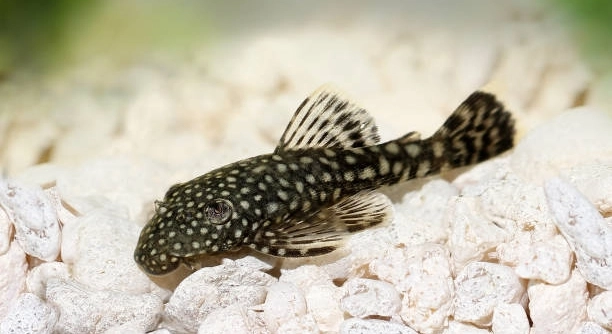
A Plecostomus, or pleco, is a popular freshwater aquarium fish known for its algae-eating habits. A healthy pleco tank setup is essential for their well-being and can make a big difference in their comfort and lifespan.
If your pleco tank setup isn’t right, it can lead to various problems such as poor water quality, inadequate hiding spots, or overcrowding. These factors can cause stress for your pleco and may even harm their health over time.
Adjusting a few elements of your tank setup can significantly improve your pleco’s environment. This article will help you recognize the signs that it’s time for a change.
1. Water Quality Is Declining
If your pleco tank has been struggling with water quality, it’s time to take action. Water parameters, including pH, ammonia, nitrites, and nitrates, are essential to maintaining a healthy environment. Poor water quality can cause stress for your pleco and other tank inhabitants, which in turn can lead to illness or even death.
Make sure you are testing your water regularly. If you notice significant imbalances, it’s best to address them before they get worse. Water changes, using a good filtration system, and checking for tank overstocking are effective ways to prevent this issue.
Proper maintenance of your filtration system and ensuring the water temperature is correct can make a world of difference. Not only will these practices improve the water, but they also promote a cleaner environment, allowing your pleco to thrive. Consistent monitoring is key to catching issues early and preventing serious harm to your fish.
2. Tank Size Is Too Small
A pleco needs space to grow. These fish can get quite large, with some species reaching over a foot in length. When the tank size doesn’t meet the needs of the pleco, it can lead to stunted growth or stress.
The size of your pleco’s tank should be large enough to accommodate both its size and swimming habits. A tank of at least 75 gallons is recommended for most species of plecos, with more space needed if you have multiple fish.
Aside from the size, make sure the tank is well-planted and has hiding spots. Plecos are shy creatures that require quiet areas to feel secure. Offering them a good mix of space to swim freely and places to retreat will greatly improve their overall health and well-being. If you find your pleco is constantly hiding or seems sluggish, it might be time to upgrade its living space.
3. Lack of Hiding Spots
Plecos are naturally shy and need places to hide. If your tank doesn’t have enough hiding spots, your pleco will likely feel stressed, which can affect its health.
Consider adding caves, driftwood, or plants to create a more secure environment. Plecos often enjoy having dark, quiet spaces where they can rest during the day. A lack of hiding spots can also increase aggression from other tank mates, making the pleco feel threatened.
Providing these areas encourages natural behavior, like feeding at night and exploring the environment. A well-decorated tank with enough hiding spots can make your pleco feel safer and reduce stress. When they feel secure, they are more likely to stay active and healthy, improving their overall quality of life.
4. Overcrowding in the Tank
Overcrowding leads to many issues, including poor water quality, stress, and competition for food. Too many fish in one tank can leave plecos without the necessary space to thrive.
Overcrowding can also make it difficult for the pleco to find enough food, which is critical for its health. Plecos are bottom feeders, so they rely on both algae and supplemental food, but if they are competing with other fish, they may not get enough.
Regularly assess the number of fish in your tank. Make sure you aren’t exceeding the recommended stocking levels for your tank size. Reducing the number of fish can help reduce waste, improve water quality, and give your pleco more space to swim freely.
5. Inadequate Filtration
A good filtration system is essential for maintaining clean water and overall health in your tank. If the filtration system is not strong enough, the water quality will suffer, leading to a buildup of harmful toxins.
Ensure that your filter is rated for the size of your tank. An undersized filter will struggle to keep up with the demands of a larger aquarium. Regularly clean or replace the filter media to keep things running efficiently.
A high-quality filter will help keep ammonia and nitrates in check, reducing the risk of water contamination. It will also keep debris from settling on the tank floor, giving your pleco a healthier environment to live in.
6. Overfeeding
Overfeeding is a common mistake. When you give your pleco too much food, it can lead to poor water quality and health issues. Plecos can become overweight, and uneaten food may decompose, causing water problems.
Be mindful of how much you feed your pleco. Offer enough food for them to finish within a few hours. Leftovers should be removed promptly to prevent the water from becoming polluted.
Overfeeding leads to more waste, which strains the filtration system. Stick to a feeding schedule and offer a variety of foods, like algae wafers, vegetables, and occasional protein.
FAQ
What should I feed my pleco?
Plecos are primarily herbivores, so their diet should consist mostly of plant-based foods. Algae wafers are a great staple for your pleco, as they provide necessary nutrients. You can also offer fresh vegetables, like zucchini, cucumber, or spinach, which they enjoy nibbling on. Occasionally, you can give them protein-rich foods, such as bloodworms or shrimp, to balance their diet. Always make sure to remove any uneaten food after a few hours to prevent water contamination.
How often should I clean my pleco tank?
It’s important to clean your pleco tank regularly, but not too often. You should perform partial water changes every 1-2 weeks to maintain proper water quality. During water changes, remove any visible debris or algae buildup on decorations and the tank walls. A deeper cleaning of the substrate can be done once a month to remove waste and organic matter. Avoid disturbing the pleco too much during cleaning, as they can be sensitive to changes in their environment.
Can plecos live with other fish?
Yes, plecos can live with other fish, but you must carefully choose tank mates. Plecos are peaceful creatures but may become territorial, especially as they grow. Avoid placing them with aggressive or fin-nipping fish. Small, calm fish like tetras, guppies, or other peaceful bottom dwellers are ideal tank mates. Ensure that your pleco has enough hiding spaces to retreat when it feels threatened.
How big do plecos get?
Plecos can grow quite large, depending on the species. The most common species, the common pleco, can grow up to 12-15 inches in length. Some species can even reach up to 24 inches. It’s important to consider the size of your tank when choosing a pleco species, as they need plenty of space to grow and swim comfortably. Larger plecos may require a 75-gallon tank or bigger to thrive.
Do plecos need a heater?
Plecos are tropical fish and require a heater to maintain a consistent water temperature between 74°F and 80°F (23°C – 27°C). Sudden temperature fluctuations can cause stress, which may affect your pleco’s health. It’s crucial to monitor the water temperature regularly using a reliable thermometer. Make sure the heater is appropriate for the size of your tank to ensure stable conditions.
How do I know if my pleco is stressed?
Stressed plecos often show signs like hiding more than usual, not eating, or displaying unusual behavior, such as swimming erratically. Stress can also cause physical changes, such as fading colors or a decrease in activity. Poor water quality, overcrowding, or aggressive tank mates are common stress factors. Keep an eye on your pleco’s behavior, and if you notice any of these signs, address the underlying issues immediately.
Do plecos need special water conditions?
Plecos are fairly adaptable but prefer slightly acidic to neutral water with a pH range of 6.5-7.5. Water hardness should be between 4-12 dGH. Regularly testing your water for pH, ammonia, nitrites, and nitrates is crucial to keeping the tank in optimal condition. Maintaining proper water parameters helps reduce the risk of diseases and ensures your pleco remains healthy. Water changes should be done regularly to avoid the buildup of harmful chemicals.
What is the lifespan of a pleco?
Plecos can live for a long time when cared for properly. The average lifespan of a pleco is 10-15 years, but some species can live even longer, especially if they are given the right tank conditions, proper diet, and care. Make sure to provide the best environment for your pleco to ensure it reaches its full lifespan.
Can I trim my pleco’s fins?
It’s not necessary to trim your pleco’s fins unless there’s a specific health issue. Healthy plecos usually don’t require fin trimming. However, if your pleco suffers from fin rot or injury, you should seek treatment immediately to prevent further damage. In general, it’s best to let the pleco’s fins grow naturally without interference. Keeping water quality high is key to preventing fin-related problems.
Why is my pleco not eating?
If your pleco isn’t eating, it may be stressed, sick, or not feeling comfortable in its tank. Stress factors include poor water quality, inadequate hiding spots, or tank mates that are too aggressive. Ensure that your pleco’s environment is calm and that the water quality is optimal. Also, check the temperature and ensure that the food you offer is appropriate for their diet. If your pleco still isn’t eating, it may be a sign of illness, and you may need to consult a vet.
Final Thoughts
Taking care of a pleco can be a rewarding experience, but it requires attention to detail and proper care. The most important thing is to ensure that the tank environment is suitable for your pleco’s needs. A clean, spacious tank with good water quality, appropriate temperature, and proper filtration will go a long way in keeping your pleco healthy. Regular maintenance, like water changes and cleaning the filter, should be part of your routine to prevent any issues from arising. By staying on top of these tasks, you’ll be able to provide a happy, healthy home for your pleco.
Another crucial aspect to remember is the right tank mates. Plecos are generally peaceful, but they can be territorial, especially as they grow larger. It’s important to choose other fish that won’t cause stress or compete with your pleco for food. Giving your pleco hiding spots, such as caves or plants, will make it feel more secure and reduce stress. When you set up your tank with enough space and areas for your pleco to hide, it can live comfortably alongside other peaceful fish. Monitoring behavior will help you spot any potential issues with aggression or competition early on.
Lastly, feeding your pleco the right food is essential for its health. Algae wafers are a good base for their diet, but don’t forget to include fresh vegetables like zucchini, cucumber, or spinach. Occasionally, you can offer protein-rich foods like bloodworms or shrimp, but make sure you are not overfeeding. Overfeeding can lead to poor water quality and obesity, so always remove uneaten food after a few hours. By keeping your pleco’s diet varied and balanced, you can ensure that it stays healthy and happy for years to come.

Hello,
If you enjoy the content that we create, please consider saying a "Thank You!" by leaving a tip.
Every little bit helps us continue crafting quality advice that supports the health, happiness, and well-being of pets around the world, for pets of all shapes, sizes, and species.
We really appreciate the kindness and support that you show us!