
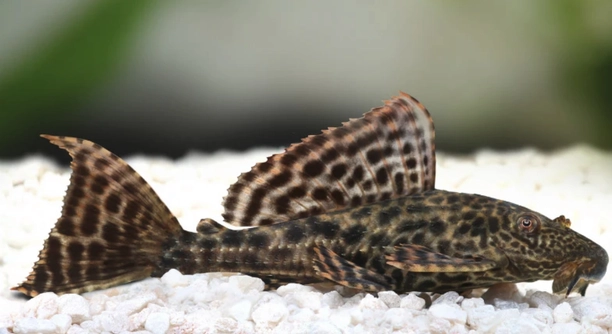
If your pleco’s tank is struggling to maintain oxygen levels, your fish’s health could be at risk. Insufficient oxygen can affect their behavior and overall well-being, making it essential to address any issues early on.
Plecos require adequate oxygen in their tanks to maintain optimal health. When oxygen levels drop, plecos may exhibit stress signs such as lethargy or changes in swimming behavior. Regular monitoring of oxygen and water conditions is vital for their care.
Understanding these signs will help ensure your pleco’s tank remains a healthy environment. Adjusting oxygen levels promptly will improve both their quality of life and the overall health of your aquarium.
Decreased Activity and Lethargy
When oxygen levels in the tank drop, plecos tend to become less active. They may spend more time resting at the bottom or close to the surface of the water. A lack of oxygen can lead to fatigue, making it difficult for them to swim as actively as usual. This can also cause them to breathe more rapidly, often seen as an attempt to gather more oxygen. If you notice your pleco swimming slowly or sitting idle in one spot, it’s important to check the water’s oxygen levels.
The key signs of lethargy in plecos are a significant reduction in swimming and prolonged periods of resting. When these symptoms occur, it’s an indication that oxygen levels may need adjustment.
Proper oxygenation is critical for the health of your pleco. If these signs persist, consider adding a filtration system or aerator to increase oxygen flow in the tank. Ensuring the water remains oxygen-rich is vital to preventing further health issues.
Gasping at the Surface
If your pleco begins to spend more time near the surface of the water, this could indicate a lack of oxygen deeper in the tank. This behavior suggests that the fish is seeking oxygen at the water’s surface, where it is more readily available.
In an oxygen-deprived tank, plecos will naturally swim to the surface in an attempt to get more oxygen. They may even gasp at the surface, trying to inhale air. This is a clear sign that adjustments are needed to improve oxygen flow in the tank. Consider increasing water movement with an air stone or better filtration to keep oxygen levels balanced and prevent stress on your pleco.
Increased Surface Movement
When plecos struggle with low oxygen, they often increase their movement near the surface of the water. They may swim rapidly or hover just below the surface. This behavior suggests they’re attempting to find oxygen-rich areas in the tank. If this becomes frequent, it’s essential to address the tank’s oxygen levels.
Increasing surface agitation with a filter or air stone can help. Plecos will try to stay near areas where oxygen concentration is higher. If they exhibit more frequent surface movement, it may be time to make adjustments, like upgrading filtration or adding a water pump to improve circulation.
At this point, adding more plants or adjusting water flow can also help. These changes increase oxygenation and make the environment more comfortable for your pleco. Monitoring their behavior closely and improving water flow will prevent further stress and keep your pleco healthy.
Change in Eating Habits
A lack of oxygen can also cause plecos to lose interest in eating. When oxygen levels are low, fish may feel too lethargic to feed. This can be a sign that your pleco is struggling to get enough oxygen for normal body functions. Over time, this could affect their health if not addressed.
Plecos are known for their consistent eating habits, so if they stop feeding, it’s a clear signal that something isn’t right. A drop in appetite can also lead to malnutrition and weakened immune systems. Increasing oxygen levels can often resolve this problem, bringing your pleco back to its normal feeding behavior.
By ensuring your tank has proper oxygenation, you help your pleco maintain regular eating habits. An increase in feeding signals that they are getting the oxygen they need to function normally. Keep an eye on their diet and feeding habits for further signs of improvement.
Rapid Gilling
When oxygen is low, plecos often display rapid gilling, a sign they are trying to take in more air. This behavior is noticeable as they breathe more heavily and quickly than usual. Rapid gilling is a clear indicator that the tank’s oxygen levels are not sufficient.
This fast breathing may seem unsettling, but it is a natural reaction to low oxygen. It is a pleco’s attempt to compensate for the lack of oxygen in the water. If you notice your pleco breathing rapidly, it’s essential to increase oxygenation. Adding an air stone or improving water circulation will help.
Excessive Hiding
If your pleco starts spending more time hiding, it could be a sign of low oxygen. When oxygen levels drop, fish may feel stressed and seek refuge in dark corners or behind decorations. This behavior is a result of trying to escape uncomfortable conditions in the tank.
Hiding can be a sign that your pleco is struggling to breathe or feels unsafe in its environment. Increasing oxygen levels and maintaining clean, stable water conditions may encourage your pleco to resume normal activity. Make sure the tank environment is calm, and check for oxygen imbalances.
FAQ
How can I tell if my pleco tank is low on oxygen?
Signs of low oxygen in your pleco tank include rapid gilling, increased surface movement, lethargy, and a lack of appetite. Your pleco may also spend more time near the water’s surface, where oxygen levels are higher. If you observe these behaviors, it’s crucial to check the oxygen levels in your tank immediately.
What are the best ways to increase oxygen in my pleco tank?
To increase oxygen levels, consider adding an air stone, upgrading the filtration system, or using a water pump to improve water circulation. You can also adjust your tank’s surface agitation. More oxygen-rich water will help reduce stress and encourage normal behavior in your pleco.
Can low oxygen levels cause long-term harm to my pleco?
Yes, prolonged exposure to low oxygen levels can cause serious health problems for your pleco. Chronic stress from insufficient oxygen can weaken their immune system, make them more prone to diseases, and lead to a shorter lifespan. Ensuring that oxygen levels are balanced is vital for their long-term health.
What are some common signs of oxygen deprivation in plecos?
Common signs include lethargy, rapid gilling, excessive surface movement, a loss of appetite, and hiding more often. Plecos may also struggle to swim properly and appear to be more stressed than usual. Monitoring your pleco’s behavior closely will help identify any issues early.
How often should I check the oxygen levels in my pleco tank?
It’s a good idea to monitor the oxygen levels in your pleco tank regularly, especially if you have many fish or a heavily planted aquarium. Ideally, check the levels at least once a week and ensure your filtration system is functioning properly. Keep an eye on your pleco’s behavior to detect any early signs of oxygen deprivation.
Are there any plants that can help increase oxygen levels in the tank?
Yes, live plants like Anubias, Java Fern, and Amazon Sword can help naturally increase oxygen levels in the tank. Plants absorb carbon dioxide during the day and release oxygen, which benefits all the fish, including your pleco. Make sure to provide proper lighting and care to keep the plants healthy.
Do plecos need a specific type of filtration system to maintain oxygen levels?
While plecos don’t need a specific type of filtration, it’s essential to have a high-quality filter that provides good water circulation and aeration. A filter that creates surface agitation can help oxygenate the water, especially in larger tanks. Ensure that the filter’s flow is gentle enough for your pleco to move freely without excessive current.
How does water temperature affect oxygen levels in a pleco tank?
Water temperature plays a significant role in oxygen solubility. Warmer water holds less oxygen than cooler water. If your tank’s water temperature is too high, it can reduce the oxygen available for your pleco. Maintaining a stable, appropriate water temperature for your pleco will help keep oxygen levels optimal.
Can a pleco tank have too much oxygen?
While it’s rare, it’s possible for a pleco tank to have excessive oxygen. This generally happens if the tank has too strong of a water movement or surface agitation, causing unnecessary stress to the fish. It’s important to find a balance. You want oxygen to be abundant but not to the point where it disturbs the fish’s comfort.
Should I add an air stone to my pleco tank?
Adding an air stone is a great way to increase oxygen levels in your tank. It creates bubbles that help oxygenate the water and improve circulation. If your pleco is showing signs of oxygen deprivation, an air stone is a simple and effective solution to ensure they get the oxygen they need.
What type of aeration system is best for a pleco tank?
An air pump and stone, or a sponge filter, are the best types of aeration systems for pleco tanks. These options provide gentle water movement, which is ideal for plecos. Avoid strong currents that could stress them out, especially if you have smaller or younger plecos.
Can overfeeding affect oxygen levels in a pleco tank?
Overfeeding can lead to excess organic waste in the tank, which contributes to higher ammonia and nitrogen levels. This can decrease water quality and affect oxygen levels. Make sure to feed your pleco in moderation and remove any uneaten food to maintain optimal oxygen conditions.
How do I maintain oxygen levels during tank maintenance?
During tank maintenance, ensure that the filter is running and that there is no disruption in water flow. If you need to clean the substrate or perform a water change, make sure to do so gently to avoid disturbing the oxygen flow. Adding fresh water with balanced oxygen levels will help.
Is it necessary to invest in a more powerful filter for oxygenation?
Not necessarily. A more powerful filter might increase water movement but could stress your pleco if it creates too strong of a current. Focus on choosing a filter that suits the tank size and provides gentle water circulation. It’s more about balanced oxygen flow than raw power.
Do plecos need air stones in tanks with strong filtration systems?
If your tank already has a strong filtration system that ensures good circulation and surface agitation, an air stone may not be necessary. However, if you notice your pleco exhibiting signs of low oxygen, such as rapid gilling or surface gasping, adding an air stone can help improve oxygenation.
Can a pleco survive in a tank with low oxygen levels temporarily?
While plecos may survive in low-oxygen conditions for short periods, prolonged exposure can cause serious harm. It’s essential to address oxygen deprivation promptly. If your pleco is exhibiting stress behaviors, taking immediate action to improve oxygen levels will reduce the risk of long-term health issues.
How do I know if my pleco is adjusting to increased oxygen levels?
Your pleco will begin to exhibit more normal behavior once oxygen levels are restored. They will become more active, swim at different tank levels, and resume their usual eating habits. A return to these normal behaviors is a sign that the oxygen levels are improving, and your pleco is adjusting.
Final Thoughts
Maintaining proper oxygen levels in your pleco tank is essential for their health and well-being. Oxygen is crucial for all aquatic life, and plecos are no exception. When oxygen levels drop, plecos can become stressed, leading to unhealthy behaviors such as rapid gilling, lethargy, and hiding. These signs should not be ignored, as they indicate that your pleco is struggling to get the oxygen it needs to thrive. The good news is that with a few simple adjustments, you can ensure your pleco is comfortable and healthy. Whether it’s by adding an air stone, upgrading your filtration system, or adjusting water movement, there are several ways to improve the oxygenation in your tank.
It’s also important to regularly monitor your pleco’s behavior and the overall condition of your tank. Your pleco’s actions will often provide valuable insights into the water quality and oxygen levels. A sudden change in behavior, such as increased surface breathing or reduced activity, can be a sign that something is wrong. By staying attentive to these cues and addressing the issue promptly, you can prevent long-term health problems. Regularly checking water parameters like temperature and pH can also help you maintain a stable environment for your pleco, ensuring they receive the right amount of oxygen and can live a healthy life.
In conclusion, ensuring your pleco tank has enough oxygen is an important part of aquarium care. Simple actions like improving water circulation or using an air stone can make a big difference. Plecos, like all fish, rely on stable, oxygen-rich conditions to stay healthy and active. By paying attention to their behavior and adjusting your tank’s environment as needed, you can provide your pleco with the best possible care. This will help them thrive in their environment, and you can enjoy watching them for many years to come.

Hello,
If you enjoy the content that we create, please consider saying a "Thank You!" by leaving a tip.
Every little bit helps us continue crafting quality advice that supports the health, happiness, and well-being of pets around the world, for pets of all shapes, sizes, and species.
We really appreciate the kindness and support that you show us!