
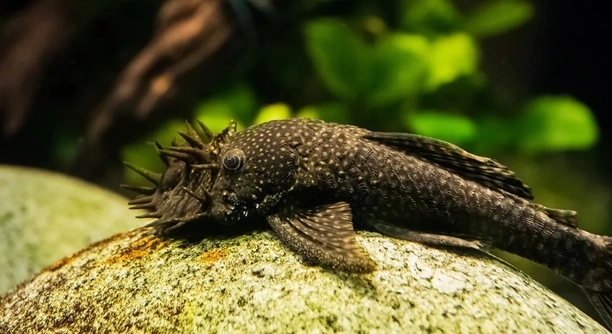
Are you noticing changes in your pleco tank that make you wonder if it’s time for an upgrade? Plecos are hardy creatures, but their environment must meet certain standards to stay healthy and thrive.
If you are noticing poor water quality, decreased pleco activity, or overcrowded conditions, it may be time to consider upgrading your tank. These issues can affect your pleco’s health and overall tank stability, requiring adjustments to your setup.
Making improvements to your tank setup ensures your pleco’s environment is optimal for their health. Upgrading may involve a larger tank, better filtration, or other adjustments for better long-term care.
1. Tank Size Matters
When your pleco starts to outgrow its tank, it can lead to stress and poor health. Plecos grow large over time, with some species reaching up to 24 inches. If they don’t have enough space to swim and explore, they may become sluggish or aggressive. A tank that’s too small also increases the likelihood of poor water quality, as it can’t hold enough filtration to manage waste properly.
Upgrading to a larger tank gives your pleco more space to move around, which helps with its well-being. It also offers more room for plants and decorations, creating a more natural habitat.
If your pleco’s tank is crowded, it could be time to consider a bigger setup. More space means better water quality and less stress for your pleco. A larger tank will allow for better filtration and healthier living conditions.
2. Water Quality Issues
Water quality directly affects your pleco’s health. If the water is dirty or improperly balanced, it can lead to a range of problems, including skin infections and poor growth. Plecos produce a lot of waste, and if your filtration system isn’t sufficient, harmful substances like ammonia and nitrites can build up quickly.
To fix this, you need to check the water regularly for levels of ammonia, nitrites, and nitrates. If your pleco’s tank seems to be constantly dirty or you struggle with high ammonia levels, upgrading your filtration system may be the best solution. Better filters can handle waste more efficiently, keeping your tank clean and your pleco safe.
Even with frequent water changes, an outdated filter can’t handle the demands of a growing pleco. Investing in a stronger filter not only improves water quality but also reduces the need for constant cleaning. Ensuring your pleco’s environment is stable and clean will keep it healthy and active for years.
3. Overcrowding of Tankmates
When there are too many fish in your pleco’s tank, stress can become a major issue. Overcrowding leads to reduced oxygen levels and can cause territorial disputes. Plecos prefer having their space, and when they’re competing for resources with other fish, their health can quickly deteriorate.
If you have multiple fish in the tank, consider the size and compatibility of each species. Some fish are more active and may outcompete your pleco for food. This can lead to malnutrition and stunted growth. Giving your pleco more space or removing other tankmates can greatly reduce stress levels.
Upgrading your tank or rethinking the number of fish in the tank will improve the quality of life for your pleco. Keeping fewer fish allows for better oxygen levels and less waste, both of which contribute to a healthier and happier pleco. If you’re constantly facing these issues, it’s a clear sign your tank setup needs a change.
4. Insufficient Filtration System
A strong filtration system is crucial for maintaining a healthy environment in your pleco’s tank. Plecos produce a lot of waste, and if the filtration isn’t strong enough to keep up, it can lead to poor water quality. This may result in frequent water changes and algae blooms.
If you notice cloudy water or high levels of waste in the tank, it’s time to consider a more powerful filter. A stronger filtration system will help break down waste and maintain a cleaner environment for both your pleco and other tankmates. Make sure the filter is appropriate for the size of your tank.
Having the right filter ensures your pleco’s water stays clean and reduces the risk of harmful bacteria or algae. The filter should be capable of handling the demands of a large pleco and the waste it produces. Investing in a better filter is essential for the overall health of your tank, leading to a happier, healthier pleco.
5. Lack of Hiding Spots
Plecos are shy creatures that thrive in environments where they can hide. If your tank doesn’t have enough hiding spots, your pleco may become stressed. Lack of hiding places also affects their ability to rest and feel secure.
Adding caves, driftwood, or plants creates a more comfortable space for your pleco. These hiding spots help reduce stress and allow your pleco to feel safe while swimming around. Without these areas, plecos can become agitated and may even show signs of aggression.
Ensuring your tank has proper hiding spots encourages natural behavior, making your pleco feel more at ease. Stress-free plecos tend to be more active and healthy, so providing a variety of hiding places can help improve their quality of life.
6. Poor Lighting Conditions
Plecos prefer dimly lit environments, but insufficient lighting can also be problematic. Too much light can stress them out, while too little light affects their activity and feeding habits. It’s crucial to find a balance that suits their needs.
To keep your pleco comfortable, avoid bright lights. Use dim lighting or light timers to create a more natural day-night cycle. Providing shaded areas within the tank will also allow your pleco to find balance and relax when needed.
Proper lighting helps your pleco maintain its natural behavior, while also preventing excessive algae growth. Maintaining this balance ensures your pleco remains calm and active in its tank.
FAQ
How often should I clean my pleco tank?
Cleaning your pleco’s tank depends on the size of the tank, the number of fish, and the filtration system. For a standard tank with a pleco, you should aim for a partial water change every 1-2 weeks. This helps remove waste and maintain water quality. However, if you have a smaller tank or inadequate filtration, more frequent cleaning may be necessary. Always ensure the filter is clean, and monitor water parameters like ammonia, nitrites, and nitrates.
Can plecos live in a tank with other fish?
Yes, plecos can live with other fish, but there are some important things to consider. Plecos are peaceful but prefer a tank with calm fish that won’t compete for food or space. Avoid aggressive species, as they can cause stress. It’s also essential to avoid overcrowding to ensure your pleco has enough space to thrive.
What is the best temperature for a pleco tank?
Plecos prefer water temperatures between 72°F and 78°F (22°C to 26°C). Keeping the temperature within this range will help your pleco stay active and healthy. Extreme temperatures, whether too hot or cold, can stress your pleco and make it more susceptible to diseases. Use an aquarium heater to maintain a stable temperature in the tank.
How can I tell if my pleco is stressed?
Stressed plecos often exhibit behaviors like hiding excessively, reduced activity, loss of appetite, or erratic swimming. If your pleco isn’t eating or seems lethargic, it could be stressed due to poor water quality, overcrowding, or aggressive tankmates. Additionally, changes in the pleco’s appearance, such as faded colors or damaged fins, can also indicate stress.
What should I feed my pleco?
Plecos are omnivores and need a varied diet that includes algae, vegetables, and high-quality sinking pellets. They enjoy food like zucchini, cucumber, spinach, and lettuce. You can also supplement their diet with occasional protein sources like shrimp or worms. It’s important to feed them a variety of foods to ensure they get all necessary nutrients.
How big does a pleco get?
The size of your pleco depends on the species. Common plecos (Hypostomus plecostomus) can grow up to 24 inches, while other species may remain smaller. If you have a pleco that’s growing quickly, you’ll need to upgrade your tank to accommodate its growth. Regular monitoring of their size can help prevent overcrowding.
Can plecos live without a filter?
While plecos are hardy, they still require good water quality to thrive. A filter is essential for maintaining clean water by removing waste and toxins from the tank. Without a filter, you will have to perform more frequent water changes, and your pleco may struggle to live in an unstable environment. It’s always best to use a reliable filter to reduce the workload.
Are plecos good at controlling algae?
Plecos are often thought of as algae eaters, but their algae consumption can vary. While they do graze on algae, they will not completely keep your tank free of it. Algae should be supplemented with a balanced diet, and you may need to use a scraper or algae-cleaning tools to keep your tank clear. Don’t rely solely on your pleco to control algae growth.
How long do plecos live?
Plecos are long-lived fish, with some species living up to 15-20 years in captivity if cared for properly. Providing a stable environment with a properly maintained tank, good water quality, and the right diet will help your pleco live a long, healthy life. Regular monitoring of their health will also ensure they live to their full lifespan.
Do plecos need a specific kind of substrate?
Plecos don’t require a specific type of substrate, but they do prefer a soft, smooth bottom like sand or fine gravel. Rough substrates, such as large rocks or sharp gravel, can injure their delicate undersides. Additionally, soft substrates like sand help replicate their natural environment and make them more comfortable for digging and grazing.
Can plecos live in a tank with a lid?
Yes, plecos can live in a tank with a lid. In fact, a lid is recommended to prevent your pleco from jumping out of the tank. Plecos are known to be able to jump, especially when stressed or in an unprotected environment. A secure lid ensures your pleco stays safe and contained in its tank.
Why is my pleco not eating?
If your pleco is not eating, it could be due to stress, poor water quality, or illness. Check the water parameters and ensure the tank is clean. Stress from overcrowding or aggressive tankmates can also affect your pleco’s appetite. If the problem persists, consider isolating the pleco or consulting with an aquarium expert to check for health issues.
How do I prevent algae in my pleco tank?
To prevent excessive algae growth, you should focus on managing light levels and maintaining good water quality. Avoid leaving lights on for too long, as algae thrive on light. Regular water changes and proper filtration can also reduce the nutrients that algae feed on. While plecos help control some algae, they will not eliminate it entirely.
Can plecos survive in cold water?
Plecos are tropical fish and require warm water to thrive. Cold water, particularly temperatures below 70°F (21°C), can cause stress and health problems. If you live in a cooler climate, you should use an aquarium heater to maintain a stable temperature within the recommended range of 72°F to 78°F (22°C to 26°C).
Final Thoughts
Taking care of a pleco requires understanding their specific needs, and sometimes that means upgrading your tank. Whether it’s due to the size of your pleco, overcrowding, or water quality issues, paying attention to the signs will help you provide the best environment for them. Plecos can live long, healthy lives if their tank setup is right, and this means ensuring they have enough space, proper filtration, and a comfortable, stress-free environment.
If you find your pleco acting sluggish or stressed, it’s a good idea to evaluate your tank. Problems like poor water quality or inadequate hiding spots can lead to these behaviors. The most important thing is to ensure your pleco’s space is suited to their needs. Larger tanks, better filtration, and adequate hiding places can all help improve your pleco’s overall health. Keeping the environment stable and clean will encourage natural behaviors and prevent unnecessary stress, leading to a happier pleco.
Upgrading your tank doesn’t have to be overwhelming. By paying attention to key areas like tank size, water quality, and filtration, you can make necessary changes to ensure your pleco thrives. A little extra care can go a long way in maintaining a healthy, thriving aquarium, making it a rewarding experience for both you and your pleco. Keeping these considerations in mind will help you create an ideal habitat for your pleco to grow and live comfortably for years to come.

Hello,
If you enjoy the content that we create, please consider saying a "Thank You!" by leaving a tip.
Every little bit helps us continue crafting quality advice that supports the health, happiness, and well-being of pets around the world, for pets of all shapes, sizes, and species.
We really appreciate the kindness and support that you show us!