
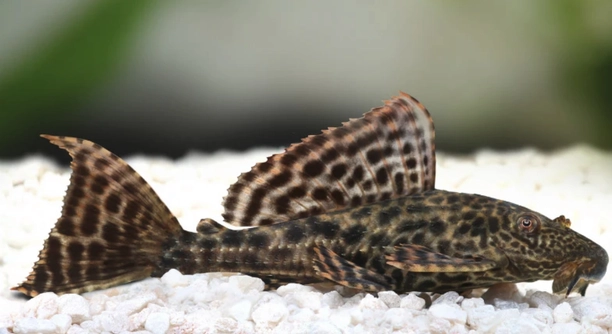
Bright lighting in a pleco tank may seem harmless, but it can cause stress for your fish. The right lighting is essential for their well-being, so understanding the signs that it’s too bright is key to maintaining a healthy environment.
Overexposure to light can lead to various issues for plecos, including stress, reduced activity, and potential health problems. Excessive lighting can disrupt their natural rhythms, affect their feeding behavior, and result in increased algae growth in the tank.
Understanding these signs will help you adjust your tank’s lighting to create a more comfortable space for your plecos and promote their overall health.
Excessive Light Causes Stress in Plecos
Plecos are nocturnal fish, meaning they naturally thrive in low-light environments. Too much light in the tank can cause them stress, making them feel vulnerable. This stress can lead to a decrease in activity, loss of appetite, and sometimes even unusual behaviors like hiding more than usual.
Stress in plecos from bright lights is more than just discomfort; it can harm their health over time. Excessive light exposure affects their ability to sleep and disrupts their natural rhythms. It can also cause them to become more skittish and shy, leading to a lack of interaction with other tank inhabitants. Ensuring your pleco’s lighting is gentle and balanced will help them feel secure and active in their space.
If you notice that your pleco is acting differently after a lighting change, it’s important to consider reducing the intensity. A dimmer or adjustable light system can provide a more natural day-night cycle that plecos prefer, helping them maintain a healthier lifestyle.
Algae Overgrowth and Bright Light
Algae thrive in brightly lit tanks. If your pleco tank has too much light, you may notice an increase in algae growth. Excessive algae can negatively impact water quality and oxygen levels, making the tank environment less healthy.
Algae blooms often go unnoticed until they start to cover surfaces like rocks, decorations, or even the glass. These growths can deplete the water’s oxygen, suffocating your pleco and other tank inhabitants. In addition, excessive algae can lead to poor water quality and make the tank harder to maintain. To control algae, reduce the amount of light your tank gets, use a timer, and clean the tank regularly to prevent it from growing too much.
Disrupted Feeding Habits
Plecos are typically more active at night, feeding in low-light conditions. Bright lights can disrupt their feeding patterns, making them less likely to eat during the day. They may even stop grazing on algae, leading to an imbalance in the tank’s ecosystem.
When plecos struggle to feed due to bright lighting, it can lead to poor nutrition. They rely on algae and other small organisms in the tank to thrive. If they aren’t able to feed properly, their health can decline over time. Providing a more natural, dimmer lighting cycle helps plecos feel safe and encourages normal feeding behaviors.
If you notice your pleco is eating less or not eating at all, adjusting the light levels could solve the issue. Offering a more dimmed environment or reducing light intensity during the day could encourage your pleco to return to its natural feeding rhythm.
Poor Sleep Cycle
Plecos need dark, quiet environments to rest properly. Bright light can disturb their sleep cycle, causing stress and making them more prone to health issues. A consistent, natural light schedule is key for their well-being.
Without proper rest, plecos may become sluggish, less active, and more prone to disease. Bright light forces them to stay awake longer, leaving them fatigued. This exhaustion can weaken their immune system and prevent them from healing or recovering quickly from any injuries or illnesses. A balanced light cycle gives them the restful sleep they need to stay healthy.
If you notice your pleco becoming lethargic or less active, it could be a sign of sleep disruption due to bright lights. Creating a dimmer, more controlled lighting environment will help them sleep peacefully, leading to better overall health.
Increased Algae Growth
Bright lighting in a pleco tank leads to excessive algae growth, which can quickly spiral out of control. The more light your tank receives, the more fuel there is for algae to thrive. This can result in cloudy water and an unhealthy tank environment.
Algae not only affects water quality, but it can also coat surfaces and obstruct the tank’s filtration system. Excessive algae growth can leave plecos with fewer places to hide and rest. Reducing the light intensity in your tank can slow down algae growth, making it easier to maintain a healthy balance in the aquarium.
Decreased Pleco Activity
Too much light makes plecos feel exposed and can reduce their natural activity levels. When they feel overwhelmed by bright lighting, they are likely to retreat into hiding spots or become less engaged in their surroundings. This decreases their physical activity and overall health.
Lowering the light in the tank allows plecos to feel more comfortable. When plecos feel safer, they are more likely to swim around, explore their environment, and interact with other fish. This is important for their mental and physical well-being, as it encourages natural behaviors and prevents stress from taking a toll on their health.
FAQ
How bright should the light be for a pleco tank?
Plecos prefer dim or low lighting, as they are naturally nocturnal creatures. A moderate light level is usually sufficient to mimic their natural environment. Aim for lighting that is not too intense or harsh. If you have a standard aquarium light, make sure it’s not left on for too long, ideally 6-8 hours a day, to avoid overwhelming your plecos.
Can plecos live with bright aquarium lights?
While plecos can technically survive with bright lights, they will likely become stressed over time. Bright lighting can interfere with their feeding, sleep, and overall behavior. To ensure they thrive, it’s best to provide more subdued lighting and replicate natural day-night cycles as much as possible. Overexposure to light can also encourage unwanted algae growth, further affecting the tank environment.
What happens if I leave the light on too long in the pleco tank?
Leaving the light on for too long can disrupt the pleco’s natural rhythms, making them feel stressed and disoriented. It can also cause them to become more lethargic and may result in sleep deprivation. Moreover, prolonged exposure to light can lead to excessive algae growth, which makes the tank harder to maintain. A consistent day-night light cycle is important for your pleco’s overall health and happiness.
Can I use a timer for my pleco tank light?
Yes, using a timer is an excellent way to maintain a consistent light schedule for your pleco tank. This ensures the lights go off and on at the same time each day, which helps simulate natural day-night cycles. A timer also prevents you from leaving the lights on too long and helps maintain a balanced tank environment.
Do plecos like dark tanks?
Plecos prefer darker environments, as they are nocturnal fish. In the wild, they are active at night and stay hidden during the day. A tank that’s too bright can stress them out and disrupt their natural behaviors, like feeding and resting. Dim or low lighting helps plecos feel more comfortable and secure.
How can I reduce the light intensity in my pleco tank?
To reduce light intensity, you can adjust the wattage of the bulbs or use a dimmable lighting system. You can also install a light with lower intensity or use a filter to help diffuse the light. Another option is to place the light higher up, so it’s not directly over the tank.
Is it okay to have a light on in a pleco tank at night?
It’s not recommended to leave the light on at night, as plecos are naturally nocturnal and need darkness to rest. Having the light on at night can disrupt their sleep patterns, leading to stress and potential health problems. Try to keep the tank dark during the night and allow natural light during the day, if possible.
How do I know if my pleco is stressed due to light?
Signs that your pleco is stressed from too much light include hiding more than usual, a decrease in activity, loss of appetite, or unusual swimming patterns. They may also appear lethargic or skittish when exposed to bright lighting. If you notice these behaviors, it may be a sign that the lighting in the tank needs to be adjusted.
Can I keep other fish in a bright tank if I have a pleco?
If you have a pleco in a bright tank, they may not feel comfortable. However, other fish that are less sensitive to light might do fine in the same tank. It’s important to consider the needs of all your fish, as some species are more tolerant of bright lighting than plecos. For the well-being of your pleco, try to maintain lighting that suits their needs and the needs of other tank inhabitants.
What type of lighting is best for a pleco tank?
A subdued or low-intensity light works best for a pleco tank. LED lights or fluorescent bulbs are good options because they provide a more natural light that is less harsh. You can also consider lights with adjustable brightness to control the intensity. Remember, plecos benefit from a consistent day-night cycle with a proper amount of darkness for their rest.
Can I use live plants in a pleco tank if it’s too bright?
While live plants can thrive in bright tanks, they may contribute to algae growth, especially in tanks with high light intensity. If the light is too bright, it can cause an imbalance in the tank’s ecosystem, affecting both plants and fish. Reducing light intensity helps manage both plant and pleco health, and can prevent algae overgrowth that comes with excess lighting.
How can I tell if my pleco tank is too bright?
If your pleco tank is too bright, you may notice your pleco hiding more often, being less active, or showing signs of stress, such as rapid breathing or a lack of appetite. Additionally, excessive algae growth and poor water quality can be signs of too much light. Monitoring your pleco’s behavior and the tank’s overall condition can help you identify whether the lighting needs adjustment.
How long should I leave the light on for my pleco tank each day?
The recommended lighting duration for a pleco tank is about 6-8 hours a day. This is enough to provide a day-night cycle without overwhelming your pleco. You can use a timer to ensure consistency and prevent the lights from being left on for too long, which could disrupt the tank’s environment and your pleco’s health.
Final Thoughts
Managing the lighting in your pleco tank is crucial to maintaining a healthy and balanced environment. Plecos are sensitive to bright lights, which can stress them out, disrupt their natural feeding and sleep patterns, and even lead to poor health. To avoid these issues, it’s best to use dim or low-intensity lighting that mimics their natural habitat. Keeping the lighting cycle consistent, with periods of darkness at night, will help your pleco feel more comfortable and thrive in its environment.
It’s also important to monitor your tank for signs of stress or discomfort in your pleco. If you notice behaviors like hiding more often, reduced activity, or changes in eating habits, it may be due to the lighting being too bright. Adjusting the intensity or duration of the light can help bring your pleco back to its normal behavior. Additionally, a dimmer light can help prevent algae from overgrowing, improving both the water quality and the overall tank environment.
By making small adjustments to the lighting, you can create a more natural, stress-free environment for your pleco. This will not only help keep your pleco healthy but also make it easier to care for the entire tank. With a little attention to the lighting needs of your pleco, you’ll ensure it enjoys a long, happy life in your aquarium.

Hello,
If you enjoy the content that we create, please consider saying a "Thank You!" by leaving a tip.
Every little bit helps us continue crafting quality advice that supports the health, happiness, and well-being of pets around the world, for pets of all shapes, sizes, and species.
We really appreciate the kindness and support that you show us!