
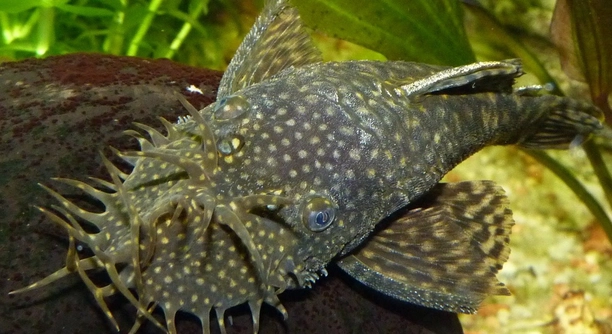
Plecostomus, or plecos, are popular aquarium fish, known for their algae-eating abilities. Like any pet, they require proper care to stay healthy. A critical aspect of their diet is fiber, which plays a major role in their well-being.
If your pleco is not getting enough fiber, it can lead to digestive issues, poor health, and a weakened immune system. Providing the right amount of fiber supports proper digestion and overall vitality, ensuring your fish thrives in its environment.
Recognizing the signs that your pleco needs more fiber can be key to keeping it healthy. These signs can often be subtle but are important to address promptly to prevent further health issues.
Slow or Irregular Digestion
A common sign your pleco may need more fiber is slow or irregular digestion. If your pleco is not processing food properly, you might notice it spending more time near the surface of the tank, or it could appear sluggish. Poor digestion can also cause bloating or discomfort. Fiber plays a key role in moving food through the digestive system, ensuring it stays healthy and active. Without it, their digestive system might struggle, leading to a variety of health issues.
Fiber helps with proper digestion by pushing food through the intestines. If you notice your pleco is eating less or not passing waste regularly, adding more fiber to its diet could make a big difference.
Increasing fiber intake can encourage regular digestion. This might include offering foods like vegetables, algae wafers, or other high-fiber options. Make sure you avoid processed or overly rich foods that could make digestion harder for your pleco. Fiber helps regulate digestion, ensuring your pleco stays active and healthy.
Weight Loss or Poor Growth
If your pleco seems to be losing weight or growing slower than usual, the issue might be a lack of fiber. Fiber is essential for proper nutrition and absorption of food, which directly impacts weight and growth. Plecos that aren’t getting enough fiber may not be able to gain the nutrients they need to thrive. You might notice your pleco looking thinner or not growing at the expected rate.
Lack of fiber can result in poor weight gain. Fiber is necessary to absorb the right nutrients for growth. Ensure your pleco has a balanced diet with plenty of fiber-rich foods to support its growth and overall health.
Providing fiber-rich vegetables such as zucchini, spinach, or cucumber can help boost your pleco’s growth. The fiber helps your pleco process food properly, allowing it to grow at a healthy pace. A lack of fiber could also affect your pleco’s immune system, so ensuring it gets the right foods can promote a healthier, more active fish. If your pleco has trouble growing, the solution may be as simple as adjusting its diet.
Abnormal Behavior or Lethargy
If your pleco is unusually lethargic or acting differently, it might be a sign that it’s not getting enough fiber. Fiber helps keep the digestive system running smoothly, and when it’s lacking, the pleco may feel sluggish. You might notice a decrease in activity, as it struggles with digestion.
A lack of fiber can lead to a buildup of waste or slow digestion, which can make your pleco feel uncomfortable. It could also reduce its appetite, causing it to swim less and hide more often. This behavior is often tied to digestive distress. Adding fiber-rich food like vegetables can help restore normal activity levels.
Fiber is an important part of their diet to ensure they stay active. Plecos that aren’t eating enough fiber may show signs of lethargy and disinterest in their surroundings. Adding fiber to their diet can help restore energy levels, allowing them to move more freely and resume their natural behavior. Keep an eye on any changes, as fiber can quickly resolve issues related to energy loss.
Poor Water Quality or Excess Waste
When your pleco isn’t getting enough fiber, it can result in excess waste buildup in the tank. This waste can affect water quality and cause stress for your pleco. Fiber helps in proper digestion and waste excretion, reducing the chances of excessive waste accumulation in the aquarium.
If your pleco is eating the wrong foods or not enough fiber, you might notice the water becoming murky due to the extra waste. It’s essential to clean the tank more frequently and consider improving the fish’s diet. Fiber helps break down food in the gut more efficiently, which can lead to cleaner water and a healthier pleco.
A well-balanced diet with enough fiber can reduce excess waste in your tank. Regular maintenance, such as cleaning the filter and doing water changes, helps too. However, the root issue may lie in the pleco’s diet. When fiber is incorporated into their meals, it promotes proper digestion and waste output. As a result, you’ll notice the water remains cleaner for longer periods, benefiting both the pleco and the tank environment.
Bloated or Swollen Abdomen
A bloated or swollen abdomen can indicate that your pleco isn’t getting enough fiber. When fiber intake is low, digestion slows down, causing food to sit in the stomach longer than it should. This can lead to bloating, making your pleco appear puffed up or uncomfortable.
If your pleco is showing signs of a swollen abdomen, it may be experiencing constipation. Lack of fiber can lead to this issue, as the digestive system cannot properly process food. Increasing fiber in its diet can help alleviate this discomfort and improve overall digestion.
Difficulty Passing Waste
Difficulty passing waste is another clear sign that your pleco is not getting enough fiber. If the fish seems to be struggling to expel waste or is showing signs of discomfort, it might be due to improper digestion. This can cause stress and may even lead to further health problems.
Fiber helps with proper digestion and the elimination of waste. Without enough fiber, your pleco may have difficulty passing waste, leading to bloating and digestive issues. Offering fiber-rich foods will encourage healthy bowel movements and keep your pleco’s digestive system working properly.
FAQ
What are some good fiber-rich foods for plecos?
Plecos thrive on a diet that includes vegetables and algae. Common options include zucchini, cucumber, spinach, and lettuce. You can also offer algae wafers, which are designed to meet the nutritional needs of plecos. These foods are high in fiber and help with digestion, keeping your pleco healthy.
You can provide vegetables either raw or blanched. Raw vegetables are great for plecos to nibble on throughout the day, while blanched vegetables are softer and easier to eat. Both options are nutritious and encourage healthy digestion. Some plecos also enjoy other fiber-rich foods like peas or sweet potatoes.
Algae wafers are another convenient option, especially for plecos that might be shy or prefer prepared food. Make sure to choose high-quality algae wafers that don’t contain too many additives or artificial ingredients. This will provide a balanced diet and help meet your pleco’s fiber needs.
How often should I feed my pleco fiber-rich foods?
You should offer fiber-rich foods to your pleco at least 2-3 times a week. If your pleco shows signs of digestive issues, you can increase the frequency of fiber-rich food offerings. Keep in mind that plecos are opportunistic feeders and enjoy grazing on algae throughout the day.
In addition to fiber-rich vegetables, it’s important to provide other types of food, like algae wafers, to ensure a balanced diet. Too much fiber at once can overwhelm their system, so try to maintain variety while focusing on high-quality options. Fiber can also be given as part of their regular meals.
Feeding fiber-rich foods at regular intervals helps promote digestion without overloading their system. Offering a mix of fiber and protein-rich foods ensures that your pleco stays active and healthy. Pay attention to your pleco’s preferences and adjust accordingly, as some might eat more or less of specific foods.
Can lack of fiber cause long-term health problems for my pleco?
Yes, if your pleco consistently lacks fiber in its diet, it could develop long-term health issues. Poor digestion caused by inadequate fiber intake may result in a weakened immune system, poor growth, and increased susceptibility to disease. Over time, it can also lead to more severe digestive problems, such as constipation or bloating.
When a pleco’s digestive system isn’t functioning properly, it may not absorb nutrients effectively, which can affect its overall health. This could lead to weight loss, lethargy, and a reduced lifespan. Regularly providing fiber-rich foods can prevent these issues, ensuring your pleco maintains good health.
Long-term digestive issues can also affect your pleco’s behavior, making it more likely to hide or become less active. Providing a balanced, fiber-rich diet is essential to help prevent these problems and keep your pleco happy and healthy for years to come.
What should I do if my pleco is already showing signs of constipation?
If your pleco shows signs of constipation, you can try offering foods that are high in fiber to help it pass waste. Blanched peas are particularly helpful, as they are high in fiber and can aid in easing constipation. Make sure to remove any uneaten food from the tank to avoid water quality issues.
Another option is to soak algae wafers in water to make them easier for your pleco to digest. If your pleco is still struggling after a few days, you may want to consider a mild laxative for fish, which can help clear up constipation.
In some cases, it might take a bit of time for your pleco to pass waste, so be patient. Ensure your pleco has access to plenty of fiber-rich foods and clean water, as both are essential for digestive health. If constipation persists, consult an aquarium veterinarian for advice.
How can I tell if my pleco is getting enough fiber?
You can tell if your pleco is getting enough fiber by observing its digestion and overall health. If your pleco is active, has a healthy appetite, and is regularly passing waste, it’s likely getting enough fiber. You should also notice that its stomach looks normal, not bloated or swollen.
Healthy plecos should be swimming around and foraging for food. If your pleco is lethargic, bloated, or showing signs of constipation, it could be a sign of fiber deficiency. Pay attention to its behavior, and make sure you are offering a variety of fiber-rich foods to meet its needs.
You should also check if the tank water stays clean. Excess waste buildup can indicate that the pleco is not digesting food properly. By regularly providing fiber, you help ensure your pleco remains healthy and happy.
Is it okay to feed my pleco fruits as a source of fiber?
Yes, some fruits can be a good source of fiber for plecos, but they should be given in moderation. Fruits like apples, pears, and bananas are all good options. However, they should not make up the bulk of your pleco’s diet. Excess sugar from fruits can lead to other health issues, such as obesity.
Fruits can be used as a treat or supplement to the regular fiber-rich foods your pleco eats, like vegetables and algae wafers. Always remove any uneaten fruit after a few hours to prevent it from fouling the water. You can also mix fruits with vegetables for a more balanced diet.
The key is moderation. Fruits can be a fun way to provide variety, but your pleco should primarily be eating vegetables and algae-based foods for optimal health. Keep an eye on its reaction to different foods and adjust accordingly.
Can too much fiber harm my pleco?
While fiber is essential for digestion, too much can cause problems for your pleco. An excessive amount of fiber can lead to digestive discomfort, bloating, or a reduction in appetite. It’s important to maintain a balanced diet that includes both fiber and other nutrients.
You should avoid overfeeding fiber-rich foods. Offering a variety of foods, such as algae wafers, vegetables, and occasional protein sources, ensures that your pleco’s diet remains balanced. Like any other dietary change, introducing too much fiber at once can be harmful.
Monitor your pleco’s behavior and digestion to see how it responds to changes in its diet. If you notice any signs of discomfort, adjust the amount of fiber accordingly to keep your pleco healthy and active. A balanced diet is key to their overall well-being.
Final Thoughts
Providing your pleco with the right amount of fiber is essential for its overall health and well-being. Fiber helps maintain a healthy digestive system, ensuring your pleco can absorb the nutrients it needs and pass waste efficiently. Without enough fiber, plecos can face digestive issues like constipation, bloating, or sluggishness. These problems can lead to discomfort and even more serious health issues if not addressed. By offering a balanced diet that includes fiber-rich foods like vegetables, algae wafers, and other natural options, you can help your pleco stay healthy and active.
It’s important to observe your pleco’s behavior and body condition regularly. If you notice signs like lethargy, poor growth, or bloating, it may be time to adjust its diet. Adding fiber to its meals can help solve these issues and support overall digestion. However, it’s important not to overfeed fiber-rich foods, as too much fiber can cause digestive discomfort and reduce your pleco’s appetite. Balance is key, and variety in their diet will ensure they get all the nutrients they need to thrive.
Remember, a healthy pleco depends on more than just fiber. Their diet should include a mix of vegetables, algae-based foods, and occasional protein to maintain energy levels and support long-term health. Regular water changes, tank cleaning, and proper care also play a significant role in keeping your pleco in top condition. By providing the right environment and diet, you can help your pleco live a long, happy, and healthy life.

Hello,
If you enjoy the content that we create, please consider saying a "Thank You!" by leaving a tip.
Every little bit helps us continue crafting quality advice that supports the health, happiness, and well-being of pets around the world, for pets of all shapes, sizes, and species.
We really appreciate the kindness and support that you show us!