
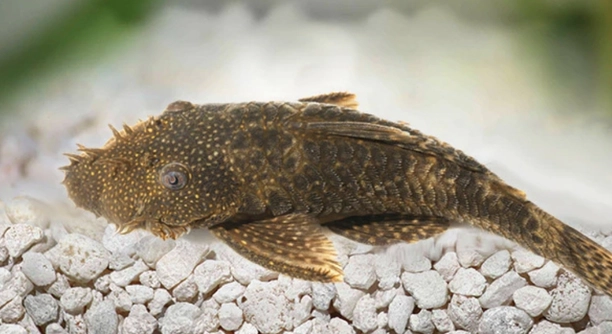
Keeping a pleco in your aquarium can be a rewarding experience. However, like any pet, they can sometimes show signs of illness or injury that you might not notice right away. Understanding these signs is key to maintaining their health.
If your pleco is sick or injured, there are several clear indicators to look for, such as changes in behavior, appearance, or feeding habits. Pay attention to abnormalities like floating near the surface, discoloration, or unusual swimming patterns.
By recognizing these signs early, you can take steps to help your pleco recover and maintain their well-being. Understanding the symptoms will also allow you to provide the best care possible for your aquatic friend.
1. Unusual Swimming Patterns
When a pleco becomes ill, one of the first things you might notice is a change in their swimming habits. Healthy plecos usually swim around the tank at a steady pace, moving up and down the surfaces. If your pleco starts floating near the surface, sinking to the bottom, or swimming erratically, it could be a sign of an underlying issue. Their fins may also become rigid or look damaged if they’re struggling.
Swimming difficulties can be caused by a variety of factors, including improper water conditions, injury, or internal health problems. This is why it’s crucial to monitor their movement regularly. If you see a sudden change, check the water quality and make sure it’s appropriate for your pleco’s needs.
An increase in stress from poor tank conditions or other tank mates could also cause swimming issues. The more attention you give to water temperature, pH levels, and overall tank cleanliness, the better chance your pleco has of staying healthy and active. Keep an eye out for any signs of distress and act quickly if you notice anything off.
2. Changes in Appearance
Appearance changes can be one of the easiest ways to spot if something is wrong with your pleco. If you notice that their skin is starting to look dull or discolored, it might indicate stress or illness. Healthy plecos have a glossy, smooth appearance. If their skin becomes pale, patchy, or covered in lesions, this could point to disease or injury.
A pleco’s eyes should also remain clear and bright. Cloudy or sunken eyes may be signs of poor health. Additionally, check for any unusual growths or bumps that could be signs of parasites or infections. Keep in mind that small changes in appearance may not always be cause for concern, but it’s important to track any differences to avoid bigger issues down the line.
If you notice any sudden changes in their appearance, examine their tank conditions closely. This can help you figure out if the environment is contributing to the problem and what changes need to be made.
3. Loss of Appetite
If your pleco stops eating or suddenly loses interest in food, it’s a clear sign something is wrong. Healthy plecos are usually eager to nibble on algae, food pellets, or vegetables. A change in their eating habits can be linked to illness, stress, or tank issues.
Not eating for a few days might be normal if they are adjusting to a new environment. However, if it lasts longer than that, you should check for possible causes. Water quality, tankmates, and even temperature can all affect their appetite. It’s important to remove uneaten food from the tank promptly, as it can pollute the water and worsen the situation.
If your pleco continues to refuse food, take immediate steps to adjust their environment. Try feeding different foods to entice them or even consult with a vet if the problem persists. The sooner you act, the better the chances of resolving the issue quickly.
4. Faded or Darkened Color
A pleco’s color is a good indicator of its health. When a pleco becomes sick or stressed, it can lose its vibrant color or darken in appearance. This change is often related to poor water conditions, an injury, or internal problems. If you notice a significant color shift, it’s time to investigate further.
Faded colors can indicate that your pleco is stressed due to changes in water temperature or pH. This could also be a sign of disease or parasites. Similarly, sudden darkening of the pleco’s body can occur when they are stressed or feeling threatened by tankmates. Look for additional symptoms such as loss of appetite, odd swimming patterns, or skin damage to understand the cause.
Once you notice a color change, make sure to check the water parameters and make necessary adjustments. A clean tank with the proper temperature and water conditions can help your pleco regain its natural color over time.
5. Clamped Fins
When a pleco’s fins are tightly pressed against its body, it’s often a sign that the fish is stressed or in pain. Healthy plecos typically swim with their fins spread out, allowing them to move freely. Clamped fins are a common sign of illness or injury.
If you notice your pleco’s fins clamped, check the tank for signs of poor water quality or other stressors. This behavior could be linked to an infection, parasite, or physical injury. You may also notice a decrease in their activity levels or changes in behavior when the fins are clamped.
Addressing tank conditions immediately can help ease your pleco’s discomfort and encourage them to swim normally again. Make sure the water is clean, properly filtered, and within the right temperature range.
6. Excessive Hiding
Plecos tend to hide when they feel threatened or stressed. However, if your pleco is spending more time than usual in hiding spots or avoiding open areas, it might be a sign of a problem. This could indicate an injury or illness.
It’s essential to monitor the behavior of your pleco closely. If hiding is accompanied by other symptoms like clamped fins or loss of appetite, take action right away. This behavior might also be a result of aggression from tankmates or a sudden change in water conditions. Observe how your pleco interacts with its environment to spot any possible causes.
7. Bloating or Swelling
Bloating is another sign that something may be wrong with your pleco. If you notice that your pleco appears puffed up or swollen, it could be a sign of internal issues, like constipation or more serious health problems like dropsy or an infection.
Bloating can sometimes occur after overfeeding, so ensure you’re not offering too much food at once. If bloating persists, it may indicate a more serious problem such as fluid retention or organ failure. A pleco with severe bloating may become lethargic or even have trouble swimming.
FAQ
What should I do if my pleco is not eating?
If your pleco refuses to eat, the first step is to check the water quality. Make sure the temperature, pH levels, and filtration are correct for your pleco’s species. Uneaten food can pollute the tank, making the water unsafe. Also, try offering different foods to see if your pleco prefers something else. If the problem persists for more than a couple of days, it may be time to consult a vet for further diagnosis. Stress, injury, or disease could be underlying causes that require professional care.
How can I tell if my pleco is stressed?
Stressed plecos often exhibit behaviors like hiding more than usual, clamped fins, or loss of appetite. You may also notice changes in swimming patterns, with the pleco becoming lethargic or swimming erratically. Poor water conditions, aggressive tankmates, or overcrowding can all contribute to stress. To reduce stress, ensure your pleco’s environment is clean, well-maintained, and has enough space for them to feel secure. Additionally, try adding hiding spots, such as caves or plants, where they can retreat when needed.
Can plecos get sick from bad water quality?
Yes, poor water quality is one of the most common reasons for pleco illness. Plecos are sensitive to changes in their environment, and poor water conditions can lead to stress, infections, and other health problems. To prevent this, regularly test the water for ammonia, nitrites, and nitrates, and maintain proper filtration. Perform regular water changes and monitor the tank’s temperature to ensure it stays within the recommended range for your pleco species. Keeping the water clean will help your pleco stay healthy and stress-free.
What are some signs of injury in plecos?
Injuries in plecos are often easy to spot, as they might show visible wounds, tears in fins, or abnormal swelling. If your pleco has a visible injury, remove any sharp objects from the tank that could cause further harm and monitor the injury for signs of infection. Injuries can also result in unusual swimming patterns, as the pleco might avoid using the injured fin. If the injury looks severe or becomes infected, it’s best to consult with an aquatic vet for treatment options.
How do I know if my pleco has parasites?
Parasites can affect plecos in various ways. Common signs include visible white spots or slimy patches on their skin, rapid or abnormal swimming, and clamped fins. You may also notice your pleco rubbing against tank surfaces or plants in an attempt to relieve irritation. If you suspect your pleco has parasites, it’s important to isolate them from other tankmates to prevent spreading. Consult a vet for appropriate treatment, which might include medicated food or a special bath to help remove the parasites.
Why is my pleco’s color changing?
Plecos can change color due to several factors, including stress, illness, or water quality issues. Stress caused by aggressive tankmates or sudden changes in water conditions may cause your pleco to become darker or lose their vibrant color. On the other hand, some diseases or infections can cause color changes. If you notice a significant change in your pleco’s appearance, check the tank’s water parameters and remove any stressors from the environment. If the color change persists, it may be a sign of an underlying health issue that requires veterinary attention.
How can I help my pleco if it is bloated?
Bloating in plecos can be caused by various issues, including constipation, overfeeding, or more serious conditions like dropsy or an internal infection. If your pleco looks bloated, reduce the amount of food you’re offering and provide more frequent water changes. Offering fiber-rich foods, like blanched zucchini, can help with constipation. If the bloating does not subside after a few days, consider consulting a vet, as it could be a sign of a more serious issue. Prompt treatment can help prevent further complications.
Why is my pleco hiding all the time?
Hiding behavior in plecos is usually a sign of stress, illness, or injury. If your pleco is hiding more than usual, check the tank for any potential stressors, such as aggressive tankmates, improper water conditions, or sudden changes in temperature. Plecos also tend to hide when they are feeling unwell, so monitor for any other signs of illness, such as loss of appetite or abnormal swimming. Providing more hiding spots, like caves or plants, can also help your pleco feel secure. If hiding persists with other concerning symptoms, it might be time for a checkup.
What temperature is best for my pleco?
The optimal temperature for most pleco species is between 74°F and 80°F (23°C and 27°C). A temperature that is too low or too high can stress your pleco and make them more susceptible to diseases. Make sure your tank is equipped with a reliable heater and thermometer to maintain a stable temperature. Sudden fluctuations in water temperature should be avoided, as they can cause stress or health problems. Regularly check your tank’s temperature to ensure it stays within the ideal range for your pleco’s well-being.
Can plecos live with other fish?
Plecos are generally peaceful and can coexist with many types of fish, especially other peaceful species. However, they may not do well with more aggressive tankmates that might harass them or take over hiding spots. It’s important to consider the size of your tank, as plecos can grow large and require plenty of space. Avoid overcrowding the tank, and make sure all the fish in the tank have enough room to establish their territory. Plecos are also known to be territorial, so providing plenty of hiding spots can help reduce conflicts.
Final Thoughts
Taking care of a pleco requires attention to detail, especially when it comes to spotting signs of illness or injury early. If you notice any changes in your pleco’s behavior, appearance, or eating habits, it’s important to act quickly. Understanding these signs can help you address issues before they become serious. Whether it’s changes in swimming patterns, clamped fins, or bloating, early intervention can make a big difference in your pleco’s recovery. Keeping a close eye on your fish’s health and maintaining a clean, stable environment will go a long way in preventing illness and keeping them happy.
Water quality is one of the most important factors in maintaining a healthy tank. Regularly test the water for ammonia, nitrites, and nitrates, and make sure the temperature is appropriate for your pleco. A clean tank with proper filtration helps reduce the risk of infections and parasites. It’s also important to offer a well-balanced diet and monitor how much food you’re giving your pleco. Overfeeding can lead to bloating and other health issues, so be mindful of portion sizes. Providing a variety of foods, such as algae wafers, vegetables, and occasional protein, can ensure your pleco gets all the nutrients it needs.
By staying vigilant and addressing any health concerns promptly, you can provide your pleco with a long, healthy life. A pleco that’s well cared for will thrive in its environment and continue to be an interesting and beneficial part of your aquarium. Whether you’re a new pleco owner or have had one for years, understanding the signs of sickness or injury is essential for maintaining their well-being. Taking the time to check on their condition regularly will help ensure they stay in good health and continue to enjoy their time in your aquarium.

Hello,
If you enjoy the content that we create, please consider saying a "Thank You!" by leaving a tip.
Every little bit helps us continue crafting quality advice that supports the health, happiness, and well-being of pets around the world, for pets of all shapes, sizes, and species.
We really appreciate the kindness and support that you show us!