
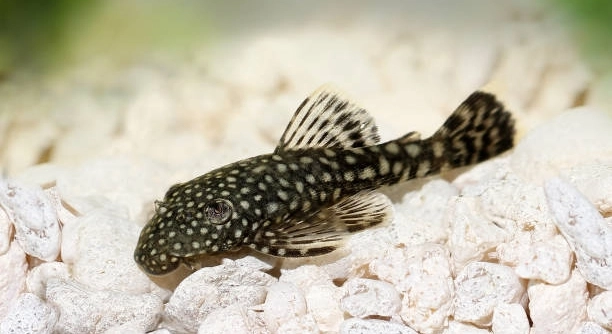
Keeping a pleco in your aquarium can be a rewarding experience, but just like any pet, they can sometimes get sick. Knowing the signs of illness early can help you take quick action and keep your pleco healthy.
Plecos are known to show certain signs when they’re unwell, such as changes in behavior, physical appearance, or eating habits. Observing your pleco closely for these signs can help you identify potential health issues early and take the necessary steps to address them.
Understanding the signs of illness in your pleco will help you act fast and ensure they get the care they need. By spotting issues early, you can avoid serious health complications.
Changes in Behavior
A pleco’s behavior can be a good indicator of its health. When they feel unwell, they may become more lethargic than usual or hide in spots they normally avoid. You might notice them swimming erratically, resting at the bottom of the tank, or staying close to the filter. These shifts could point to stress or an illness.
When a pleco isn’t acting like itself, it’s important to check water conditions and ensure the tank environment is clean and stable. Even minor changes can cause stress. If the behavior doesn’t improve, it could be a sign of something more serious.
Paying attention to these changes and checking for environmental stressors can make a huge difference in preventing further health issues. If the behavior persists, consider isolating the pleco in a quarantine tank to minimize stress and prevent possible contamination of other fish. Identifying these early signs will help you address potential problems promptly.
Loss of Appetite
A sudden loss of appetite can be a serious sign that your pleco is unwell. Plecos typically enjoy algae, plants, and other foods that keep them active and healthy.
When your pleco stops eating, it could indicate a variety of issues such as digestive problems, stress, or even parasites. It’s crucial to monitor their eating habits closely. A refusal to eat for several days should not be ignored.
If your pleco isn’t eating, first ensure water quality is optimal. High ammonia or nitrite levels can cause fish to lose their appetite. Consider adding water treatments or a tank cleaning to restore balance. A proper diet with varied foods can also help stimulate their appetite. If the problem persists, a visit to an aquarium vet may be necessary to rule out more serious health concerns.
Visible Physical Changes
If your pleco’s appearance starts to change, it could be a sign of illness. Look out for white spots, swollen areas, or unusual discoloration. These can signal infections, parasites, or poor water quality.
Physical changes often point to external problems like parasites or fungal infections. For example, a pleco with cloudy or discolored eyes may have an infection. A pleco with white patches on its body may be suffering from a parasite or fungal growth. These issues usually require immediate attention to prevent further harm.
Swollen areas or deformities in a pleco’s body might also signal an internal problem, such as organ failure or a bacterial infection. Pay attention to these physical signs and act quickly. Isolating the pleco in a separate tank can help reduce stress while you work on treating the issue. Always consult a vet or expert if you’re unsure of the cause.
Abnormal Breathing
If your pleco is gasping at the surface or breathing rapidly, there might be a problem with water quality. High ammonia levels or low oxygen can cause this behavior.
Abnormal breathing can also be a sign of a respiratory issue or gill disease. Ensure the filtration system is working well and the oxygen levels are sufficient. If the pleco continues to breathe heavily, it might be struggling to get enough oxygen from the water. Poor water circulation or water that’s too warm can also worsen this issue.
A pleco having trouble breathing could be a serious sign that immediate action is needed. Test the water quality and adjust as needed. Regular water changes and proper aeration can make a huge difference. If the problem persists, consulting an aquarium expert for further treatment may be necessary.
Excessive Scratching or Rubbing
If your pleco starts rubbing against tank decorations or scratching itself on objects, it could be dealing with skin irritation, parasites, or a fungal infection.
These behaviors often indicate discomfort. Parasites, like ich, can cause intense itching, making your pleco scratch or rub itself frequently. A fungus infection can also irritate the skin, leading to similar actions.
To help your pleco, you’ll need to clean the tank thoroughly and check for any parasites. Consider using aquarium-safe treatments for parasites or fungi. It’s important to address this quickly, as prolonged scratching can lead to open wounds or further infection.
Weight Loss
When a pleco loses weight, it can be a sign of malnutrition or an internal issue. Keep an eye on how much your pleco is eating.
Weight loss can also result from poor water quality, parasites, or an infection affecting digestion. If your pleco refuses to eat and becomes thinner, it’s time to assess its environment and diet. Poor tank conditions can impact your pleco’s appetite, leading to weight loss.
To address this, check the water parameters immediately and adjust if needed. If the pleco continues to lose weight, provide it with a variety of food options. Adding sinking algae wafers or supplements can help provide extra nutrition. If there’s no improvement, consult a vet for a more specific diagnosis.
Cloudy or Swollen Eyes
Cloudy or swollen eyes on your pleco are common signs of infection. This can be caused by poor water quality or an eye disease.
Eye issues often indicate underlying health problems, such as bacterial infections or even damage from high ammonia levels in the tank. Cloudy eyes may also appear if the pleco has been exposed to a parasite.
To treat this, monitor water quality closely and perform regular water changes to eliminate toxins. If the eyes continue to appear swollen or cloudy, you may need to isolate your pleco and treat it with appropriate medications to clear up the infection.
FAQ
What causes plecos to get sick?
Plecos can get sick due to a variety of reasons. Poor water quality is one of the main culprits, as high levels of ammonia, nitrites, or nitrates can stress your pleco and make it vulnerable to infections. Another common cause is an improper diet; plecos require a balanced diet of algae, vegetables, and sinking pellets to stay healthy. Lack of space or overcrowded tanks can also lead to stress and health issues. Lastly, parasites, fungal infections, and bacterial diseases can affect plecos if not treated promptly.
How do I know if my pleco has a parasite?
Signs of parasites in plecos can include excessive rubbing or scratching, loss of appetite, and physical symptoms like white spots or abnormal skin textures. The most common parasite that affects plecos is ich, which causes small white cysts to appear on their skin. If your pleco is acting lethargic, avoiding food, or has white spots or lesions, it could be dealing with a parasitic infection. It’s important to isolate the infected pleco and treat it with appropriate medication designed to kill parasites in the tank.
How can I treat a sick pleco?
The first step in treating a sick pleco is identifying the issue. Check the water quality to ensure it’s within the ideal range for plecos. If the problem is related to parasites or fungal infections, you can use an aquarium-safe medication to target the issue. A separate quarantine tank can help reduce stress during the treatment period. If the pleco’s condition is due to poor diet, you may need to adjust its food intake and provide more variety, such as algae wafers or vegetables. Always monitor your pleco’s progress and adjust treatment as necessary.
Can poor water quality make a pleco sick?
Yes, poor water quality is one of the most common causes of illness in plecos. If the levels of ammonia, nitrites, or nitrates are too high, it can lead to stress, weakened immunity, and increased susceptibility to infections. Additionally, if the pH or temperature of the water is unstable, this can also affect your pleco’s health. Regular water changes, monitoring water parameters, and using a reliable filtration system are essential for keeping the tank environment healthy and preventing illness.
How often should I clean my pleco’s tank?
Cleaning your pleco’s tank depends on the size of the tank, the number of fish, and the filtration system. Generally, it’s a good idea to perform a partial water change (about 25-30%) every week to keep water quality in check. You should also clean the filter and remove debris from the substrate. Plecos are bottom dwellers, and they can sometimes leave food and waste that could contribute to poor water quality. Regular tank maintenance is key to preventing diseases and keeping your pleco healthy.
What should I feed my pleco to keep it healthy?
Plecos are primarily herbivores and should be fed a diet that includes algae, vegetables, and sinking pellets. You can provide them with algae wafers, zucchini, spinach, and cucumber. Plecos also enjoy eating biofilm that forms on tank surfaces, so it’s important to maintain a tank that encourages this natural food source. Additionally, you can occasionally feed them protein-rich foods, such as brine shrimp or bloodworms, to supplement their diet. A well-balanced diet is essential for their overall health.
Can stress make my pleco sick?
Yes, stress is a significant factor in causing illness in plecos. Stress can come from various sources, such as poor water quality, overcrowded tanks, sudden temperature changes, or even aggressive tank mates. When a pleco is stressed, its immune system becomes weaker, making it more vulnerable to diseases and infections. To reduce stress, make sure your pleco has enough space, maintain stable water parameters, and avoid placing aggressive fish with it. Providing hiding spots and a calm environment can also help lower stress levels.
How do I prevent my pleco from getting sick?
The best way to prevent your pleco from getting sick is by maintaining a stable and clean environment. Regularly monitor the water quality, perform water changes, and ensure that the tank is properly filtered. Make sure your pleco has a balanced diet, with access to algae and fresh vegetables. Avoid overstocking your tank, and ensure your pleco has enough space to move freely. Keeping the tank temperature and pH within the right range is also essential for preventing stress and illness.
What are the signs that my pleco is dying?
When a pleco is nearing the end of its life, it may exhibit certain behaviors or physical changes. These include extreme lethargy, floating or sinking uncontrollably, loss of appetite, and visible physical changes like discoloration, bloating, or lesions. If the pleco’s behavior and physical appearance change drastically, it’s a sign that something is wrong. It’s important to check the water conditions and remove any stressors, but if there’s no improvement, consulting an aquarium vet may be necessary to determine if the pleco is nearing death.
Should I quarantine a sick pleco?
Yes, quarantining a sick pleco is a good idea, especially if you suspect it might be carrying a contagious disease or parasite. By placing the sick pleco in a separate tank, you can prevent the spread of illness to other fish and give it a less stressful environment to recover. Ensure that the quarantine tank has proper filtration, water conditions, and hiding spots. Quarantine will also make it easier to administer medications or treatments without interfering with the rest of your tank’s inhabitants.
Can plecos recover from fungal infections?
Yes, plecos can recover from fungal infections if treated early. Fungal infections often appear as white, cotton-like growths on the skin or fins. If you notice these symptoms, it’s essential to remove the infected pleco from the main tank and treat it with a fungal medication designed for aquarium use. In some cases, improving water quality and reducing stress can help the pleco’s immune system fight the infection naturally. If caught early, fungal infections are generally treatable, and your pleco can make a full recovery.
Final Thoughts
Taking care of a pleco requires attention to detail and an understanding of its needs. By ensuring your pleco has clean, well-maintained water, a proper diet, and a stress-free environment, you can help it thrive in your aquarium. Watching for signs of illness, like changes in behavior, appetite, or physical appearance, is essential in identifying any health issues early on. The sooner you spot these signs, the sooner you can address them and prevent more serious problems from developing.
While plecos are generally hardy and easy to care for, they still require the right conditions to stay healthy. Pay attention to the water parameters, as these can impact your pleco’s health significantly. Regular water changes, proper filtration, and keeping the tank temperature stable will help maintain a safe and comfortable environment. Feeding a variety of foods, including algae, vegetables, and high-quality sinking pellets, will provide the nutrition your pleco needs to stay strong. A healthy diet also helps boost the immune system, making it easier for your pleco to fight off illnesses.
If your pleco does become sick, don’t panic. Start by assessing the water quality and ensuring it’s within the right range. Next, examine your pleco closely for any visible signs of illness, such as changes in behavior or physical appearance. Treat the issue promptly by isolating your pleco if necessary and using the appropriate medications. With the right care, most health problems in plecos can be resolved. Regular maintenance and paying attention to your pleco’s needs can help you keep your aquatic friend happy and healthy for years to come.

Hello,
If you enjoy the content that we create, please consider saying a "Thank You!" by leaving a tip.
Every little bit helps us continue crafting quality advice that supports the health, happiness, and well-being of pets around the world, for pets of all shapes, sizes, and species.
We really appreciate the kindness and support that you show us!