
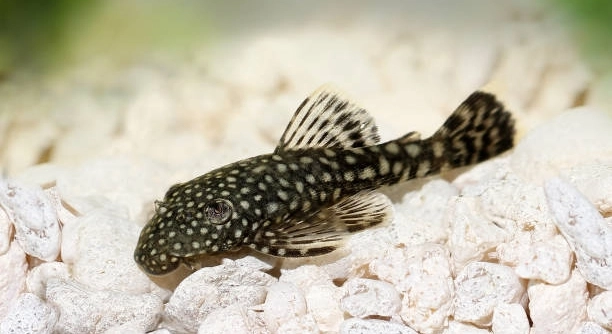
If you own a pleco, you may notice some signs that indicate your fish is not getting enough light. This can affect their health and overall well-being. Light plays a significant role in maintaining their natural behavior and vitality.
Inadequate lighting can cause a pleco to display signs of stress, including loss of color, lethargy, or decreased appetite. These symptoms indicate that your fish may not be receiving the necessary light for optimal health and function.
Proper lighting ensures your pleco remains active and healthy. Understanding these signs is essential to improving their environment and overall care.
Light and Color Changes
A pleco’s color is one of the first things to change when it isn’t getting enough light. A healthy pleco should have vibrant hues that indicate good health. Without proper lighting, their color may fade or become dull. This is especially noticeable in species known for their striking patterns. The fading of color is not just an aesthetic issue. It reflects a lack of stimulation in the fish’s environment. The absence of light can affect the pleco’s overall health and activity level, making them less vibrant and more sluggish. Over time, this can lead to more serious problems if the light issue is not addressed.
The absence of light can also hinder the pleco’s natural behavior. They are nocturnal by nature, so without enough light during the day, they may not engage in their normal activities. This makes them more prone to stress and a lack of energy.
Proper lighting helps your pleco maintain its natural vibrancy and behavior. It’s important to ensure the tank has the right intensity and duration of light. If you notice any color changes, adjusting the light schedule or intensity might be necessary. In addition to light, a consistent day-night cycle mimics natural conditions, encouraging your pleco to behave more naturally. If the problem persists, it may be time to invest in better lighting fixtures or consult with an expert.
Energy Levels and Behavior
When plecos don’t get enough light, their energy levels decrease. They may appear sluggish or inactive, spending most of their time resting at the bottom of the tank. This lack of movement can be a sign that they are not getting the proper environmental cues they need. Without enough light, plecos can become less interested in swimming, and their appetite may also suffer.
It’s crucial to observe any changes in their activity levels, as this could be a sign that something is wrong with their lighting setup. When they are under-stimulated by light, plecos become lethargic, which can lead to other health issues. This behavior change can become more evident if the tank’s light intensity is too low or the duration of light exposure is insufficient.
Maintaining a proper light cycle can correct these issues. It is vital to give your pleco a natural balance of light and dark periods to maintain their health. The correct lighting will help improve their overall activity and stimulate their natural habits, making them more energetic and less stressed. It is also helpful to use light timers to ensure a consistent schedule, replicating day and night patterns.
Appetite Changes
A pleco that isn’t getting enough light may lose interest in food. Reduced light affects their natural feeding habits. As they become less active, their appetite tends to decrease. This may be a sign that they are stressed or not feeling well.
Light helps regulate their feeding cycles and digestive patterns. If they don’t receive enough, plecos may not be as eager to feed. This issue can worsen if they are not consuming enough food, leading to malnutrition or weakened immune systems. Adjusting the light exposure and ensuring a balanced day-night cycle can help improve their appetite.
Proper lighting encourages plecos to forage and engage more with their environment, leading to better feeding behavior. If your pleco’s appetite remains low despite adequate lighting, it could be a sign of more significant health problems. Ensuring proper light levels helps them remain healthy and active, supporting their natural feeding routines.
Stress and Hiding Behavior
Plecos that aren’t getting enough light often seek dark, hidden spots in their tanks. They become stressed and prefer staying in places where they feel secure. This behavior is a direct result of inadequate lighting, which can interfere with their sense of safety and routine.
Stress is a common reaction when plecos do not get enough light. Without sufficient light, they may feel unsafe, leading them to hide more frequently. This can cause other problems, such as reduced social interaction with tank mates and minimal exploration of the tank. While it’s natural for plecos to hide occasionally, excessive hiding is a sign of discomfort.
Fixing the lighting issues will help reduce this stress. Ensuring a balanced light schedule and intensity will allow your pleco to feel more comfortable in its environment. By improving the light conditions, your pleco may return to its more active and social behaviors.
Growth and Development Issues
Plecos that don’t get enough light may experience stunted growth. Light is crucial for their development and overall well-being. Without it, they struggle to grow at the proper rate. This affects their size and ability to thrive.
Proper lighting supports healthy bone and tissue growth. A lack of light can cause the pleco to develop slowly, making it more vulnerable to diseases. If the fish is not growing properly, it’s essential to address the lighting issue. Ensuring they receive the correct light exposure will help them reach their full size and potential.
Reduced Activity at Night
When plecos aren’t getting enough light, their behavior at night may change. They are nocturnal by nature, but insufficient lighting can interfere with their natural night activities. This leads to fewer interactions or exploration at night.
Light influences their natural cycle, so making adjustments can improve their nighttime activity. With proper lighting, plecos are more likely to be active and exhibit their normal nocturnal behavior.
Tank Conditions and Water Quality
Insufficient light also impacts the tank’s conditions. It affects algae growth, which is an important part of the pleco’s diet. Without enough light, algae may not grow as expected, leaving your pleco with fewer food options.
Algae plays a vital role in providing plecos with extra nutrition. Without adequate light, you may also notice a reduction in water quality. Algae growth helps maintain a balance in the tank by controlling excess nutrients. Without this, your pleco may struggle with both food availability and overall tank health.
FAQ
How much light does my pleco need?
Plecos generally require 8 to 12 hours of light per day. The light should mimic a natural day-night cycle, so aim for consistent periods of light and darkness. Too much light can lead to excessive algae growth, while too little light can cause stress and affect their health. Ensure the light intensity is appropriate for the size of the tank.
Can plecos live in low-light conditions?
While plecos can tolerate low-light conditions for a while, it’s not ideal for their health. Lack of light affects their natural behaviors, color, and energy levels. A well-lit tank helps them stay active and healthy. If you notice any behavioral changes like hiding or lethargy, it’s time to reconsider the lighting.
Is it okay to leave the light on 24/7 for my pleco?
No, keeping the light on all the time is not good for plecos. They need a clear day and night cycle to stay healthy. Continuous light can cause stress, disrupt their circadian rhythms, and lead to health problems. It’s best to use a timer for automatic light control.
What type of light is best for plecos?
LED lights are often the best option for plecos. They provide a natural light spectrum and are energy-efficient. You can also use fluorescent or compact fluorescent lights, but they should be chosen with the right intensity and color temperature. Make sure the light is strong enough to penetrate the water but not too harsh.
How do I know if my pleco isn’t getting enough light?
If your pleco is hiding more than usual, has faded or dull color, or seems lethargic, it might not be getting enough light. Loss of appetite or reduced activity levels are also signs. Monitor the tank’s lighting and check if the intensity is suitable for the pleco’s needs.
How can I adjust my tank’s lighting for my pleco?
To adjust lighting, start by ensuring the tank gets enough light during the day and dark at night. Use a timer to maintain consistent light cycles. Choose a light that matches the needs of your pleco species. If necessary, position the light at the right distance from the water to avoid too much brightness or too little penetration.
Do plecos need UV light?
Plecos do not require UVB light, but they do benefit from a proper light cycle. While UVB light is mainly for reptiles and certain fish species that need it for calcium absorption, plecos can thrive with a regular light setup that mimics day and night conditions. UV light can promote algae growth, but it’s not necessary for their overall health.
What happens if I don’t provide enough light for my pleco?
Without enough light, your pleco’s health will decline. They may become stressed, show less activity, lose their color, and even refuse to eat. Their growth can also slow down, and they may experience more hiding behavior. Long-term lack of light can cause severe health issues, so maintaining proper lighting is crucial.
Can plecos survive without natural sunlight?
Yes, plecos can survive without direct natural sunlight. However, they still need artificial light to maintain a proper day-night cycle. Direct sunlight can overheat the water and cause algae overgrowth, so it’s better to rely on artificial lighting. Ensure the tank receives appropriate light exposure without excessive heat.
How do I create a natural light cycle for my pleco?
To create a natural light cycle, aim for 8-12 hours of light each day. Use a timer to turn the light on and off at the same time every day. The light intensity should not be too harsh, and it should imitate natural sunlight. Ensure that the tank has a period of darkness for the pleco to rest.
Is it necessary to add plants to my pleco’s tank for light?
Adding plants is not directly related to light for your pleco, but they can help maintain a balanced environment. Plants contribute to oxygen levels and can help with water quality by absorbing excess nutrients. However, plecos still need proper lighting regardless of whether plants are included in the tank.
Should I use a light with a blue or white tone for my pleco’s tank?
A white light with a balanced spectrum is the best choice for your pleco. Blue light can make the tank look more aesthetically pleasing but may not be ideal for the pleco’s health. White light provides a more natural day-night cycle, helping regulate their behavior and promoting a healthy environment.
What should I do if my pleco’s tank is getting too much light?
If your pleco’s tank is getting too much light, consider adjusting the duration and intensity. Reduce the light exposure to 8-12 hours daily and check the type of light you’re using. You can also position the light source further away from the tank or use a dimmer to reduce the brightness.
Can I use natural sunlight for my pleco’s tank?
While natural sunlight can provide light for your pleco, it’s best avoided. Sunlight can lead to temperature fluctuations and excess algae growth. It’s also harder to control the light intensity and duration. Using controlled artificial lighting is the best way to ensure your pleco gets consistent and appropriate light exposure.
How do I know if the light is too bright for my pleco?
If your pleco seems to avoid areas of the tank or hides more often, it could be reacting to overly bright light. Overexposure to bright light can cause stress and discomfort. Consider reducing the light intensity or moving the light source farther from the tank if needed.
How can I improve the lighting in my pleco’s tank?
Improving lighting in your pleco’s tank involves using the right type of light, ensuring appropriate intensity, and maintaining a consistent day-night cycle. You can adjust the tank’s lighting setup by adding a light with a suitable spectrum and using a timer to keep the lighting consistent each day.
Final Thoughts
Lighting plays a critical role in the overall well-being of your pleco. It influences their growth, behavior, and activity levels. Without adequate lighting, your pleco may show signs of stress, lethargy, and poor health. Proper light ensures they stay active, healthy, and display their natural behaviors. Understanding the amount and type of light your pleco needs will go a long way in keeping them happy. Whether it’s LED, fluorescent, or compact fluorescent lighting, it’s essential to ensure your pleco’s environment is balanced with both light and darkness.
Maintaining a consistent light cycle is just as important as the light source itself. The pleco thrives on a predictable day and night pattern. Providing around 8 to 12 hours of light each day and ensuring it turns off at night allows your pleco to regulate its natural rhythms. If you’re noticing any changes in behavior such as increased hiding, loss of color, or sluggishness, the lighting could be a factor. In those cases, adjusting the light intensity or the duration of exposure may help bring your pleco back to its active self. Additionally, it’s vital to keep the light intensity at a level that suits the size and needs of your tank, avoiding both too much or too little.
By paying attention to your pleco’s lighting needs, you’re helping create a stable environment for them. Proper lighting will not only improve their growth but also contribute to the overall health of your tank, including the water quality and algae balance. Regular checks on the light setup, tank conditions, and pleco behavior will allow you to quickly address any potential issues. A well-lit tank is a key element in ensuring the long-term happiness and health of your pleco.

Hello,
If you enjoy the content that we create, please consider saying a "Thank You!" by leaving a tip.
Every little bit helps us continue crafting quality advice that supports the health, happiness, and well-being of pets around the world, for pets of all shapes, sizes, and species.
We really appreciate the kindness and support that you show us!