
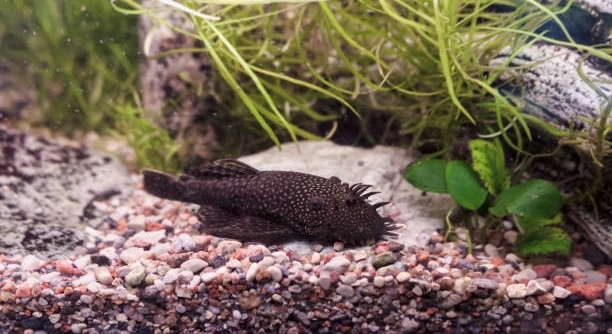
Is your pleco showing signs of change? Plecos, a popular fish in home aquariums, can exhibit distinct behavior and physical signs when they’re ready to spawn. Recognizing these signs can help you prepare for the process.
Plecos typically exhibit specific behaviors and physical changes when they are ready to spawn. These include increased activity, physical alterations, and changes in eating habits. Additionally, the males often establish territories, signaling readiness for reproduction.
Understanding these signals will help you provide the best care for your pleco, ensuring they are well-prepared for spawning. Keep reading to learn more about what to look for!
Increased Activity Levels
When your pleco is getting ready to spawn, you may notice a significant increase in their activity. Normally, plecos are relatively calm and slow-moving, but when they’re in the spawning mood, they become more energetic. They may swim around the tank more frequently, often engaging in back-and-forth motions along the glass or decorations. This is a clear indication that your pleco is gearing up for breeding season.
This burst of energy is not just random behavior. It signals that the pleco is actively looking for a mate or preparing to establish a territory.
The increased movement can also be seen when males start chasing females around the tank. If you observe this, it’s a good sign that spawning is on the horizon. As males become more territorial, they may even fight with other males to claim the best spot. Keeping an eye on these behaviors is crucial for preparing the environment for successful breeding.
Physical Changes
As plecos approach spawning, their physical appearance often changes. One of the most noticeable signs is the development of a more pronounced body shape. The males typically develop more prominent bristles around their mouths, which they use during mating rituals.
These bristles help the males attract females and create a safe environment for spawning. Additionally, their coloration may become more vibrant as they prepare for reproduction. This is a key signal that they are ready to mate and that they may need certain conditions to encourage successful spawning.
To ensure everything goes smoothly, it’s essential to maintain a stable environment for your pleco. Proper water temperature, clean water, and a good diet are necessary to encourage these physical changes and support the spawning process.
Territorial Behavior
When plecos are ready to spawn, males often display territorial behavior. They may start defending specific areas of the tank, such as caves or hiding spots. This is their way of claiming a space for breeding.
Males become more aggressive and will chase other males away from their chosen territory. They may even display physical aggression, such as flaring up or chasing. This behavior is especially noticeable if there are multiple males in the same tank. They will fight to protect their space, ensuring it’s the best environment for attracting a female.
Providing multiple hiding spots or caves in the tank can help reduce competition. This gives each pleco a chance to claim a territory, making the breeding process smoother. It’s important to monitor their interactions to ensure that the tank remains a safe environment during this time.
Changes in Eating Habits
Before spawning, plecos may change their eating habits. They might become more selective or show less interest in their regular food.
This decrease in appetite can be due to their focus on mating activities. Plecos often stop eating once they’re fully engaged in the spawning process, as their primary goal shifts. As males prepare their territory and females start showing interest, eating becomes secondary.
If your pleco seems less interested in food, ensure that their environment is well-maintained. Offering high-quality food, such as algae wafers or sinking pellets, can encourage them to eat. However, their focus may still be on mating, so don’t worry too much if they eat less than usual.
Increased Aggression Toward Other Tankmates
As plecos prepare to spawn, males often display aggression toward other tankmates, especially other males. This is a natural part of their behavior as they establish dominance and defend their breeding territory.
The aggression can range from chasing to nipping at other fish. If you notice this behavior, it’s a clear sign that your pleco is getting ready to spawn. Keep an eye on tankmates, as the plecos’ focus shifts from peaceful coexistence to competing for a mate.
Spawning Sites and Nest Building
Males will often start preparing a spawning site by cleaning a cave or flat surface. This is part of their nesting behavior, and they will actively clean the area by rubbing against it.
They may also use their bristles to help clear debris and algae, ensuring the space is ideal for female plecos. This ritual can sometimes be a sign of excitement and readiness for mating. If the site is deemed suitable by the female, she will then lay her eggs there.
Changes in Female Behavior
The female pleco will become more selective and may move toward the areas cleaned by the male. Her behavior changes, and she may appear more subdued or less active while she looks for the right place to lay her eggs.
The female will also exhibit a more passive demeanor, allowing the male to lead her toward the prepared site. Once she’s ready, she will lay her eggs in the clean, secure area chosen by the male.
FAQ
How long does it take for plecos to spawn?
The spawning process can take anywhere from a few days to a week. It typically begins when the male establishes a territory and the female becomes receptive. Once the female is ready, the male will guide her to the prepared nesting site. After the eggs are laid, the male fertilizes them, and both parents may guard the eggs until they hatch. The time it takes for the entire process to occur can vary, depending on the tank conditions, water temperature, and other factors.
What temperature is ideal for pleco spawning?
Plecos usually require a water temperature of around 78°F to 82°F (25°C to 28°C) to breed successfully. Maintaining a stable temperature within this range mimics their natural breeding conditions, encouraging spawning. Temperatures that are too high or too low can disrupt the spawning process, so it’s crucial to monitor the tank’s water temperature closely. Using a reliable aquarium heater can help maintain the right temperature.
Should I separate my plecos during spawning?
It’s not always necessary to separate your plecos, but it can help if you notice aggressive behavior. Males may become territorial, and in some cases, they might fight over the best breeding spots. If you have multiple males, separating them may reduce the stress and aggression. However, some plecos are fine to remain in the same tank. If the aggression becomes too intense, separating them temporarily can reduce conflict and help with the spawning process.
How can I tell if my pleco is a male or female?
Male plecos typically have more pronounced bristles around their mouths and on the sides of their heads. These bristles are used to attract females and are a key distinguishing feature. Female plecos, on the other hand, have fewer or no visible bristles. Males are also often slightly smaller and more aggressive during the breeding season, as they work to secure a mate. Female plecos tend to be larger and rounder, especially when they are carrying eggs.
What should I feed plecos during breeding season?
During the breeding season, it’s important to provide your plecos with high-quality foods that support their health and energy levels. Offer them a mix of algae wafers, sinking pellets, and fresh vegetables like zucchini or cucumber. Providing a varied diet helps to ensure that the plecos are getting all the nutrients they need for the spawning process. It’s also a good idea to reduce the amount of protein-rich foods, as plecos typically feed on algae in their natural habitat.
Can plecos breed with other types of fish?
Plecos typically breed within their own species. They do not crossbreed with other types of fish. However, plecos can be housed with other non-aggressive fish during breeding, as long as their tank environment is suitable for breeding. It’s essential to ensure that the other fish do not disturb the plecos’ territory or their spawning process. Incompatible tankmates could stress the plecos and disrupt their chances of successful reproduction.
How can I help my plecos spawn successfully?
To ensure successful spawning, provide a stable environment with clean water and the right temperature. Regular water changes help keep the water quality high, and maintaining a pH between 6.5 and 7.5 is ideal. Ensure there are plenty of hiding spots or caves for the plecos to establish territories. Proper filtration is also important to maintain water quality. Additionally, feeding a varied diet with algae-rich foods will support your plecos’ health and prepare them for breeding.
Do plecos eat their own eggs?
It is possible for plecos to eat their eggs, especially if they feel stressed or if the environment is not ideal. While both the male and female pleco typically guard the eggs, some plecos may consume them if they are left unprotected. To increase the chances of successful egg hatching, make sure the plecos are in a stress-free environment. Reducing tankmate interference and maintaining water quality can help keep the parents focused on protecting their eggs.
How often do plecos spawn?
Plecos typically spawn multiple times a year, with each spawning event usually separated by several weeks or months. In the wild, they may spawn during certain seasons, depending on environmental factors. In an aquarium setting, plecos may spawn as often as every 4-6 weeks, but this depends on factors such as water temperature, tank conditions, and diet. If the conditions are consistently ideal, your plecos may breed more frequently.
What happens after the eggs hatch?
Once the eggs hatch, the baby plecos (fry) will remain attached to the surfaces of the nest or cave for a few days as they absorb their yolk sac. After they’ve absorbed the nutrients from the sac, they will begin swimming and foraging for food. During this time, the parents may continue to guard them. It’s important to provide algae or other suitable foods for the fry once they start eating. The fry can be left in the same tank with the parents, but it’s important to make sure they have plenty of hiding spots to stay safe from any aggressive tankmates.
Final Thoughts
Recognizing the signs that your pleco is ready to spawn can be a rewarding experience. By observing their behavior and physical changes, you can ensure that you provide them with the best environment for successful breeding. Increased activity, territorial behavior, and the development of more bristles on the male are clear indicators that spawning is approaching. These signs allow you to prepare the tank and adjust the water conditions to make the process easier for both the plecos and yourself.
While spawning can be an exciting time, it’s important to keep an eye on their behavior and ensure their environment is suitable. Providing hiding spots, caves, and a stable water temperature will help reduce stress during this time. You should also be mindful of any aggressive tendencies, especially from the males, who may fight for territory. If aggression becomes too much, consider separating the plecos to keep things peaceful. Monitoring their health and making sure they have enough food will also help them stay strong during the breeding process.
Overall, successfully breeding plecos takes patience and attention to detail. By understanding their needs and behavior, you can make the experience smooth for both the plecos and yourself. The key is maintaining stable tank conditions, offering a variety of foods, and ensuring that the plecos have everything they need to feel comfortable. Whether you’re new to pleco breeding or have experienced it before, knowing when your plecos are ready to spawn is the first step toward encouraging a healthy and successful breeding process.

Hello,
If you enjoy the content that we create, please consider saying a "Thank You!" by leaving a tip.
Every little bit helps us continue crafting quality advice that supports the health, happiness, and well-being of pets around the world, for pets of all shapes, sizes, and species.
We really appreciate the kindness and support that you show us!