
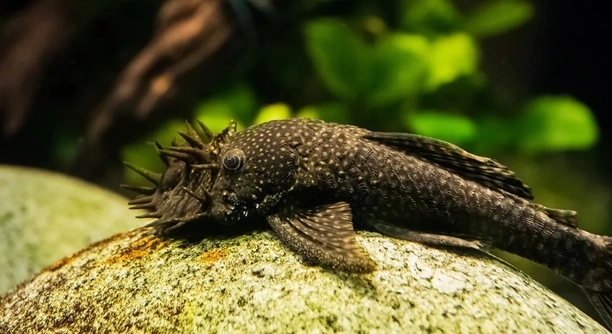
Is your pleco acting strange or not growing the way you expected? These signs could point to a lack of essential nutrients. Learning what to look for can help improve your pleco’s health and overall well-being.
Nutrient deficiencies in plecos often result in slow growth, color loss, lethargy, and abnormal behavior. These issues usually arise from an unbalanced diet lacking variety, such as missing algae, vegetables, or protein sources needed for proper development.
Recognizing these signs early is key to preventing long-term health problems in your pleco. Let’s explore what may be missing from your fish’s diet and how to fix it.
Sign 1: Faded or Dull Coloring
A healthy pleco will usually have rich, defined coloring. When it starts to look pale or faded, this can be an early sign that something is off with its diet. Color loss may occur when the fish lacks specific vitamins and nutrients, especially those found in algae and vegetables. While genetics and age can affect coloring, a noticeable change often suggests nutritional imbalance. If your pleco is not getting enough carotenoids or spirulina, its natural tones may begin to fade. This change won’t happen overnight, but over time, it will become noticeable during routine tank observation.
Color loss may also come with other signs of poor nutrition. This includes slow movements or a weaker appetite, especially if paired with visible weight loss.
To help restore your pleco’s color, ensure you’re feeding a variety of foods like algae wafers, blanched spinach, and zucchini. Adding spirulina-rich options can also enhance color and support its immune system.
Sign 2: Reduced Activity or Hiding More
A pleco that becomes unusually inactive may not be getting what it needs from its diet. This is often linked to low protein or mineral intake.
Feeding your pleco the same food every day can lead to gaps in nutrition. While they are known for eating algae, that alone is not enough to keep them active and healthy. If your pleco is hiding more than usual, not moving around the tank, or skipping meals, it could be reacting to a lack of essential nutrients. Balanced nutrition helps support metabolism, digestion, and normal behavior. Without it, your fish may become lethargic and even more vulnerable to stress or illness.
Adding protein-rich foods such as shrimp pellets or bloodworms can help boost energy levels, especially in carnivorous or omnivorous pleco species. Also include plant-based fiber from sources like cucumbers or green beans. This mix better supports their natural dietary needs. Monitor their behavior closely after feeding to track improvements.
Sign 3: Slow Growth Rate
If your pleco is not growing at a steady pace, it could be missing important nutrients. A lack of protein, calcium, or essential vitamins can delay development and affect overall size and strength over time.
Young plecos should show gradual, visible growth when provided with a proper diet. If you’ve had yours for several months and there’s little or no change in size, consider what you’re feeding. Algae wafers are a good base, but alone they don’t cover everything. Growth requires consistent access to protein-rich foods like shrimp pellets, along with calcium for bone health. Variety and frequency also matter—irregular feeding can slow down their metabolism and impact how well they grow. Monitor changes over time and adjust food types if progress stalls.
Inconsistent water quality can also affect nutrient absorption. Even if you’re feeding the right mix, dirty water or incorrect parameters can make it harder for your pleco to digest and use the food. Make sure the tank is clean, pH levels are stable, and water changes are done regularly. Together with a balanced diet, these steps can help your pleco grow stronger and healthier.
Sign 4: Sunken Belly
A pleco with a sunken belly is usually undernourished. This appearance often means your fish isn’t getting enough food or is not absorbing the nutrients from what it eats.
Plecos are bottom-feeders, but that doesn’t mean they will eat just anything that sinks. Sometimes, food dissolves before they can eat it, or it may not be suitable for their digestive system. Over time, this leads to visible weight loss, starting with a hollow stomach. You’ll also notice they become more sluggish, and their body may appear thinner along the spine. A sunken belly usually signals poor feeding habits or an imbalanced diet.
To fix this, focus on targeted feeding. Place food close to their usual spots at night when they are most active. Use sinking foods with high nutritional value like algae wafers, vegetables, and protein sources such as shrimp or bloodworms. Feed regularly and remove leftovers to keep the water clean.
Sign 5: Damaged or Frayed Fins
Frayed or torn fins can point to a lack of nutrients that support tissue repair and strength. When your pleco doesn’t get enough vitamins or minerals, fins become weaker and more prone to damage.
This issue can also worsen if tankmates nip at the pleco. Poor nutrition slows healing, making even small injuries last longer.
Sign 6: Loss of Appetite
When a pleco stops eating, something is usually off with either the food or their internal health. A lack of variety in their diet can cause boredom or nutritional gaps that affect appetite. Plecos need more than just algae—they also require fiber, protein, and vitamin-rich vegetables. In some cases, improper water conditions or stress from tankmates can also reduce appetite. Make sure their food sinks, stays intact, and is offered during active hours, especially at night. Try rotating foods like zucchini, peas, and sinking wafers to encourage consistent eating and meet all their dietary needs.
Sign 7: White or Stringy Waste
White or stringy waste often signals poor digestion or a lack of fiber in your pleco’s diet. It can also be a sign of internal parasites if it continues after improving nutrition.
FAQ
What nutrients does my pleco need to stay healthy?
Plecos need a balanced mix of plant- and protein-based foods. Their diet should include algae, vegetables like zucchini or spinach, and sinking wafers with added vitamins. Protein is also important, especially for carnivorous or omnivorous species. Foods like shrimp pellets or bloodworms should be added a few times a week. Calcium is essential for bone strength, and fiber helps support digestion. Including spirulina-based products can improve color and immunity. A varied diet ensures they get the vitamins and minerals necessary for growth, energy, and overall well-being. Feeding the same thing daily is not enough to keep them healthy.
How often should I feed my pleco?
Most plecos do well with one feeding per day, typically at night when they are most active. However, young or growing plecos may benefit from smaller meals twice a day. The food should sink quickly and remain intact long enough for your pleco to find it. Uneaten food should be removed the next morning to prevent water quality issues. Pay attention to your fish’s behavior and body condition. If your pleco seems too thin or disinterested, try changing the feeding time or offering a new food option. Consistency is key to keeping them in good condition.
Can plecos survive on algae alone?
No, algae alone is not enough to keep plecos healthy in the long term. While they do eat algae, it doesn’t contain all the nutrients they need. A diet based only on algae may lead to deficiencies in protein, calcium, and essential vitamins. Over time, this can cause health problems like slow growth, color loss, or weakened fins. Supplementing their food with vegetables, sinking wafers, and occasional protein treats helps prevent these issues. Providing variety also makes feeding more enjoyable for the pleco and encourages a stronger immune system and better energy levels.
What vegetables can I feed my pleco?
Safe and nutritious vegetables include zucchini, cucumber, spinach, green beans, shelled peas, and lettuce. These should be blanched before feeding to soften them and make them easier to digest. Remove any uneaten pieces after a few hours to keep the tank clean. Avoid starchy or acidic options like potatoes or tomatoes. Offering vegetables a few times a week supports digestive health and adds fiber to their diet. Always wash produce thoroughly before adding it to the tank. Rotating the types of vegetables you feed can keep your pleco interested and help meet different nutritional needs.
How do I know if my pleco has a nutrient deficiency?
Common signs include faded color, a sunken belly, reduced movement, frayed fins, and a slow growth rate. You might also notice white or stringy waste and a lack of appetite. If these signs appear, evaluate your feeding routine and the variety of foods you’re offering. Check tank conditions as well, since poor water quality can worsen symptoms. Address the issue by improving the diet with balanced, high-quality foods and offering a mix of vegetables, protein, and fortified wafers. If symptoms continue after dietary changes, it may be time to consult a vet or aquatic specialist.
Can poor water conditions affect how my pleco absorbs nutrients?
Yes, poor water quality can stress your pleco and interfere with how it digests and absorbs food. High ammonia, nitrite, or nitrate levels can cause internal stress, leading to a weakened immune system and reduced appetite. Low oxygen or extreme pH changes also play a role. Even if you’re feeding a proper diet, dirty water makes it harder for the pleco to benefit from it. Regular water changes, proper filtration, and routine water testing are just as important as a good diet. Clean, stable water conditions allow the fish to eat, digest, and grow without complications.
Final Thoughts
Caring for a pleco means paying attention to more than just clean water and tank space. Nutrition plays a major role in how well your pleco grows, behaves, and stays healthy. A diet made up of only algae or one type of food will not give them everything they need. Many signs of poor nutrition are easy to miss at first, like faded colors or slower movement. But if you notice any of the signs mentioned in this article, it’s important to take a closer look at your pleco’s diet and feeding routine. The sooner you make changes, the better your pleco will feel.
A healthy pleco diet should include a mix of vegetables, algae-based wafers, and protein-rich foods. Blanched zucchini, cucumber, and peas are good additions. Sinking pellets with added vitamins and minerals help cover what natural food might miss. For species that need more protein, try adding shrimp pellets or bloodworms a few times a week. Feeding should match their behavior too—since many plecos are more active at night, offering food in the evening is often best. Removing leftovers in the morning keeps the tank clean and helps you spot changes in appetite. Small adjustments like this can make a big difference.
Keeping your pleco healthy also involves regular checks of water quality, tank size, and overall environment. Poor water conditions can make it harder for your pleco to absorb nutrients, even if the food is correct. Clean water, stable temperatures, and a peaceful tank reduce stress and support digestion. If your pleco shows signs of nutrient problems even after a diet change, consider checking your tank setup and filtration system. Every pleco is a little different, but with the right food, clean water, and a bit of patience, most will recover and show signs of improvement. Staying consistent with care is the best way to support their long-term health.

Hello,
If you enjoy the content that we create, please consider saying a "Thank You!" by leaving a tip.
Every little bit helps us continue crafting quality advice that supports the health, happiness, and well-being of pets around the world, for pets of all shapes, sizes, and species.
We really appreciate the kindness and support that you show us!