
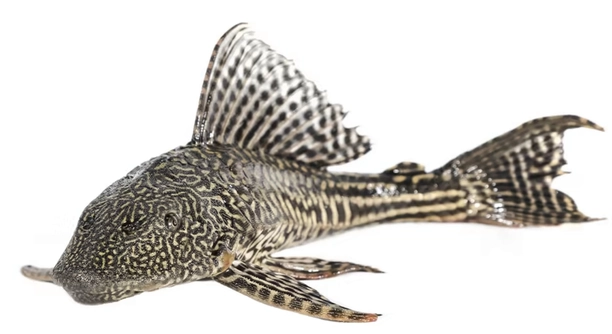
Is your pleco spending most of its time hiding behind decorations or stuck to the same spot on the glass for hours?
Plecos can become bored in their tanks due to a lack of stimulation, limited hiding spots, insufficient tank size, or an absence of varied food sources. Boredom in plecos may lead to stress, lethargy, or even unusual behaviors like excessive glass-surfing or aggression.
Understanding these signs can help you create a better tank setup that supports your pleco’s mental and physical well-being.
Sign 1: Constant Glass Surfing
Plecos that swim up and down the tank walls repeatedly may be showing signs of boredom. This behavior is often linked to a lack of stimulation or an environment that doesn’t offer enough to explore. While some movement along the glass is normal, constant pacing can be a sign your pleco is restless. In the wild, plecos have large territories to roam, so a small, unchanging tank can feel limiting. Without new objects, surfaces to clean, or changes in the tank, your pleco may start showing repetitive movements. It’s their way of coping with an unstimulating environment.
Try adding driftwood, more hiding places, or live plants.
Keeping the tank enriched with natural décor can help reduce this behavior. Adding smooth stones, caves, or even switching the tank layout occasionally can encourage natural foraging and exploring. These changes make your pleco more engaged and less likely to display boredom behaviors.
Sign 2: Loss of Appetite
Plecos that stop eating or show less interest in food may not just be unwell—they could be bored.
When plecos get bored, their feeding habits may change. In some cases, they may ignore even their favorite algae wafers or fresh vegetables. This can happen because they are no longer stimulated by their environment and have nothing to “work” for. In nature, plecos constantly search for food, grazing on surfaces, driftwood, and plant matter. A tank that offers food in the same way every day can become predictable and dull. You can help by switching up the feeding routine. Try different vegetables, feed in new spots, or occasionally offer food hidden under objects. Creating small challenges around feeding can reintroduce natural behaviors. This approach can make mealtimes more interesting and help maintain your pleco’s appetite.
Sign 3: Hiding More Than Usual
If your pleco is hiding all the time, it might not be feeling secure—or it could be bored. A lack of engaging spaces in the tank can lead them to retreat and stay inactive.
While plecos are naturally shy and enjoy hiding, they shouldn’t stay hidden all day, every day. When they only come out at night or stop exploring entirely, it might be a response to a dull or overstimulated environment. Without enough interesting spots to explore or graze on, they often default to hiding. Adding more natural hiding spaces, like driftwood, caves, or hollow logs, can help them feel safer and more curious. Try arranging the tank to include different areas of cover so your pleco can choose where to rest and where to explore. More variety in their surroundings can help them feel more active and involved during their usual active hours.
Creating shaded areas also helps encourage natural movement. Not every spot in the tank should be fully lit or open. Having dim corners or partially blocked areas gives your pleco places to move between comfortably. When they feel safe, they’re more likely to leave their hiding place, especially if they sense food or interesting textures to investigate. You’ll likely notice more frequent and confident movement.
Sign 4: Unusual Aggression
Plecos are usually calm, but they can become aggressive when they’re overstimulated or bored. This is especially true in smaller tanks or tanks without much structure. They may lash out at tank mates or guard specific areas more than usual.
Aggression in plecos can appear as chasing, ramming, or fin-nipping. Boredom can lead to pent-up energy, and with nothing to do, they may act out toward other fish. Overcrowding, limited hiding spots, and a predictable environment all add to this issue. A stressed pleco may also guard a favorite spot or food source more aggressively, especially if there’s little else to engage with. To reduce this behavior, try increasing tank space, rearranging the layout, and offering new textures or areas to explore. Also, be sure their tank mates are peaceful and not competing for space. A more balanced and enriched tank can reduce this kind of behavior.
Sign 5: Excessive Daytime Activity
Plecos are mostly active at night, so if they’re swimming around a lot during the day, it might mean something’s off. Boredom can throw off their natural rhythm and make them restless when they should be resting.
You might see them cruising the tank nonstop or repeatedly exploring the same areas. This could be their way of seeking stimulation or reacting to an unstimulating tank setup.
Sign 6: Repeatedly Cleaning the Same Spot
When your pleco keeps scrubbing one spot over and over, it may not just be cleaning—it could be a sign of boredom. This repetitive behavior often comes from a lack of variety in their environment, causing them to fixate on a single area. Adding more textured surfaces and rotating décor can help redirect their attention.
Sign 7: Ignoring Tank Mates and Surroundings
If your pleco seems uninterested in what’s happening around them, boredom might be setting in. A healthy, alert pleco should be aware of movement and mild changes in its space. If they stop reacting to nearby fish or changes in lighting, it’s often a sign that their environment is too dull or repetitive.
FAQ
1. How can I tell if my pleco is truly bored or just resting?
Plecos are naturally nocturnal, so it’s normal for them to rest during the day. However, if they’re hiding all the time or swimming aimlessly in the same spot, it could indicate boredom. Look for behaviors like excessive glass surfing, a lack of interaction with tank mates, or ignoring food. These are signs they may be more than just resting. The key difference is that resting plecos will still occasionally swim or graze, while bored plecos seem stagnant and disengaged with their surroundings.
2. Can a lack of food variety cause boredom in plecos?
Yes, feeding the same type of food every day can lead to boredom. Plecos, especially in the wild, graze on a variety of surfaces and foods. If their diet consists only of algae wafers or a limited selection, they may lose interest in eating or exploring their tank. Offering a variety of vegetables, live foods, and different types of algae can help keep them engaged. You can even hide food in different areas to encourage foraging, making meals feel more like a challenge.
3. Is it harmful if my pleco seems to stay in one spot all day?
While plecos enjoy hiding, staying in one spot all day long may indicate boredom or stress. In nature, they move across large areas and interact with their environment. A pleco that doesn’t leave a single spot may not be mentally or physically stimulated. If this behavior continues, consider adding more hiding spots, plants, or changing the tank’s layout to create new areas for exploration. A lack of movement can also impact their health, as it may lead to stress or even physical issues like reduced appetite.
4. How often should I change my pleco’s tank setup to prevent boredom?
Changing up your pleco’s tank setup every few weeks can help maintain their interest. While plecos do like having familiar spots, slight rearrangements can encourage exploration. Adding new objects, such as driftwood or rocks, can create new territories for them to investigate. Just be sure to make gradual changes, as too much disruption at once can stress them out. You don’t need a complete overhaul, but subtle changes can make a big difference in reducing boredom.
5. Can my pleco’s tank size contribute to boredom?
Yes, a tank that’s too small can certainly contribute to boredom in plecos. Plecos, especially larger species, need ample space to swim and explore. A cramped environment limits their natural behaviors and may lead to restlessness or aggression. Make sure your tank is large enough to accommodate your pleco’s size and provide room for them to move around. The general rule of thumb is that larger tanks (at least 75 gallons or more for adult plecos) offer better opportunities for exploration and stimulation.
6. Will adding tank mates help reduce my pleco’s boredom?
Adding tank mates can be beneficial, but it depends on the species and their compatibility. Some plecos may enjoy the company of other peaceful fish, while others prefer to be left alone. If you choose to add tank mates, make sure they are not overly aggressive or competitive for resources, as this could cause stress instead of reducing boredom. It’s best to choose fish that are calm and don’t invade the pleco’s space too much. Additionally, ensure that the tank remains spacious enough for all inhabitants.
7. How can I make my pleco’s environment more interesting?
To keep your pleco engaged, create an environment that mimics the natural habitats they thrive in. This includes adding plenty of hiding spots, plants, and driftwood. Plecos love to graze, so providing surfaces like rocks or smooth wood for them to feed on can encourage natural foraging behavior. Varying the types of décor and creating different zones within the tank also helps break the monotony. You can also add live plants to give them something new to explore and hide in. Keeping their environment dynamic helps maintain their curiosity.
8. Should I be worried if my pleco starts to show aggression?
Aggression in plecos can sometimes be a sign of boredom, but it could also indicate territorial disputes, overcrowding, or incompatible tank mates. If a normally calm pleco starts displaying aggression, it’s a good idea to assess the tank setup. Are there enough hiding spots? Is the tank overcrowded? Are there any fish that might be provoking the pleco? Try rearranging the tank or adding more shelters. Sometimes, even peaceful fish can become aggressive if they don’t feel they have enough personal space.
9. Can plecos get stressed from too much activity around the tank?
Yes, too much activity around the tank can stress your pleco. Plecos are shy creatures, and sudden movements or loud noises may cause them to hide or act unnaturally. It’s best to minimize disruptions, especially if you notice your pleco becoming more reclusive or inactive. Keeping the tank in a quiet, low-traffic area of the house can reduce unnecessary stress. If you need to clean the tank or make adjustments, try to do so gently and without startling the fish.
10. How can I encourage my pleco to be more active during the day?
To encourage your pleco to be more active during the day, try adjusting the lighting or adding more interesting elements to the tank. A dimmer environment can help recreate the conditions of dusk or dawn when plecos are naturally more active. Also, adding more hiding spots or changing their food routine can prompt them to explore more often. While plecos are naturally nocturnal, stimulating their environment can help bring out more daytime activity. Just be sure not to stress them by completely altering their natural cycle.
Final Thoughts
If your pleco is showing signs of boredom, it’s important to address it sooner rather than later. Plecos are fascinating creatures that require an environment that supports their natural behaviors. When they’re stuck in a tank that doesn’t provide enough stimulation, it can lead to stress, aggression, or health issues. Recognizing the signs of boredom, such as excessive hiding, glass surfing, or changes in eating habits, will help you understand your pleco’s needs and adjust the tank accordingly. A bored pleco isn’t just a sign of a happy fish, so paying attention to their behavior is crucial.
There are several simple ways to help your pleco stay engaged. Adding more hiding spots, changing the tank layout, and introducing new textures or plants can make a big difference. Plecos love to explore, so providing surfaces to graze on, such as driftwood, rocks, and plants, is a good way to encourage natural behaviors. Varying the food you offer, hiding it in different spots, or adding new food types can also make mealtimes more exciting. These changes not only help prevent boredom but can also improve the overall quality of your pleco’s life.
It’s essential to ensure your pleco’s tank is spacious enough for them to move around comfortably. A cramped tank can contribute to stress and boredom, limiting their ability to engage with their surroundings. If your pleco is sharing the tank with other fish, make sure there’s enough space and that the tank mates are compatible. By keeping your pleco’s environment dynamic and engaging, you’ll not only help them stay active but also ensure they thrive in their home. A little effort in maintaining a stimulating environment can go a long way toward improving your pleco’s well-being.

Hello,
If you enjoy the content that we create, please consider saying a "Thank You!" by leaving a tip.
Every little bit helps us continue crafting quality advice that supports the health, happiness, and well-being of pets around the world, for pets of all shapes, sizes, and species.
We really appreciate the kindness and support that you show us!