
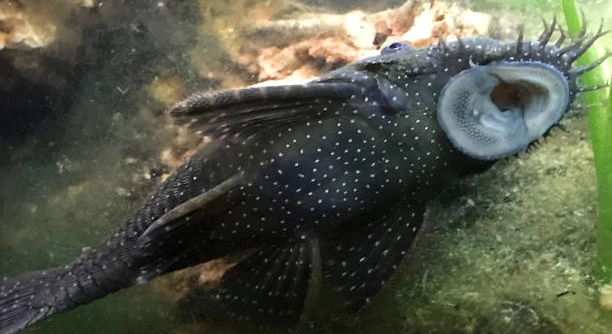
If you own a pleco, you may have noticed changes in its behavior or appearance. Parasites can affect these fish, often leading to worrying symptoms. It’s important to be able to spot the signs early and act fast.
Parasites in plecos can lead to various symptoms, including changes in behavior, abnormal swimming, and visible marks on their skin. Identifying these signs early is essential to prevent further harm and protect your fish’s health.
Taking care of your pleco requires understanding the different signs of potential health issues. Recognizing parasite symptoms will help you provide the best care and ensure a speedy recovery for your fish.
1. Changes in Behavior and Swimming Patterns
If your pleco is acting differently, it might be a sign of parasites. You may notice your fish being more lethargic than usual or swimming erratically. Sometimes, parasites cause the pleco to rub itself against objects in the tank in an attempt to relieve discomfort. These changes can be subtle at first, so it’s important to keep a close eye on your pleco’s daily movements.
Sometimes, parasites cause your pleco to lose its usual energy, making it swim slower or stay hidden more often. This could be a sign of stress or infection.
If you notice any unusual behavior, such as the pleco staying in one spot or struggling to swim properly, it’s important to check for other signs of illness. Parasites often cause discomfort, and fish show it through their behavior. Keep an eye on your pleco’s normal patterns to spot changes quickly.
2. Visible Marks or Spots on the Skin
Seeing unusual spots or lesions on your pleco’s skin could be a clear sign of parasitic infection. The skin may have small, white spots or rough patches, depending on the type of parasite.
Parasites like ich can cause white spots that appear as tiny grains of salt on the skin. These are noticeable and should not be ignored.
Infected plecos may develop red sores or lesions where parasites burrow into the skin. These marks can range from slight irritation to severe damage. The presence of these visible signs is a clear indication that your pleco needs attention. If the marks are left untreated, they can lead to more severe health problems, including secondary infections.
3. Loss of Appetite and Weight
When a pleco is infected with parasites, it may lose its appetite. A decrease in food intake can quickly lead to weight loss, which may not be obvious at first but will become noticeable over time. If your pleco is ignoring food, it’s time to check for other symptoms.
Parasites affect the fish’s digestive system, making it uncomfortable to eat. When this happens, your pleco may refuse to eat or only nibble on food occasionally. This behavior is often accompanied by a noticeable decrease in energy levels, as the fish isn’t getting the nutrients it needs.
Weight loss can happen rapidly, especially if your pleco isn’t eating enough to maintain its body condition. Keep track of how much your pleco is eating and consider adjusting the tank’s environment. Offering a variety of food options might encourage it to eat, but if the problem persists, seek help.
4. Abnormal Breathing Patterns
Parasites can also interfere with your pleco’s breathing. If you notice your pleco gasping at the water’s surface or breathing rapidly, it could be a sign that the fish is struggling due to a parasitic infection.
When parasites invade the gills or respiratory system, it can make it harder for your pleco to absorb oxygen. You might see your fish swimming near the surface, struggling to get enough air, or even breathing heavily while resting. This can be a sign that the infection is affecting its ability to breathe normally.
If you notice these changes, it’s important to check the water quality and make sure the oxygen levels are appropriate. Poor water quality can add stress to an already sick fish. If the abnormal breathing continues, it’s essential to address the parasite issue immediately.
5. Excessive Scratching or Rubbing Against Objects
Your pleco may begin to scratch or rub itself against rocks, plants, or tank decorations. This behavior is often a response to irritation caused by parasites. The scratching helps your fish try to dislodge or relieve the discomfort brought on by the infestation.
Parasites can create a lot of itching, especially if they are attached to the pleco’s skin. By rubbing against objects, your pleco may try to scrape off the parasites. This is a clear sign that your fish is in distress and should be treated as soon as possible.
6. Fading or Discoloration of the Skin
If your pleco’s color starts to fade or change, it could be a sign of a parasitic infection. Healthy plecos usually have vibrant colors, but parasites can cause them to lose that brightness.
Discoloration may appear as dull or washed-out patches, or in some cases, the fish may develop pale areas on its body. If you see your pleco looking lighter or showing unusual spots, parasites might be the cause. It’s important to monitor its condition closely.
7. Cloudy or Swollen Eyes
Cloudy or swollen eyes can be another indicator of parasitic infection. Parasites can infect the eyes, causing them to appear cloudy or swollen. This might make it difficult for your pleco to see clearly.
The infection may spread to the eyes, causing irritation and swelling. If untreated, it can lead to vision problems or permanent damage. Regularly checking for changes in your pleco’s eyes will help you spot problems early and ensure that treatment can be started quickly.
FAQ
What are the common parasites that affect plecos?
There are a few parasites that commonly affect plecos, including ich, flukes, and protozoans. Ich is one of the most well-known and causes white spots on the skin. Flukes can affect the gills and skin, leading to irritation and excessive mucus production. Protozoan parasites can cause general skin damage and even affect the eyes. Identifying the specific parasite can help with choosing the right treatment.
How do I treat parasites in my pleco?
Treating parasites in your pleco involves isolating the infected fish and adding medication to the tank or aquarium. Medications like copper sulfate or formalin can be effective against common parasites. If using a medicated bath, make sure to follow the instructions carefully to avoid harming the pleco. Keep the water clean and ensure the temperature is appropriate for the treatment.
Can parasites spread to other fish in the tank?
Yes, parasites can spread to other fish in the tank. If one pleco is infected, it’s important to quarantine the fish immediately to prevent the spread of the infection. Many parasites are highly contagious, and without isolation, they can quickly infect other tankmates. Regular water changes and maintaining a clean environment can help reduce the spread of parasites.
How can I prevent parasites from affecting my pleco?
Maintaining a healthy tank environment is key to preventing parasites. This means ensuring proper filtration, water quality, and regular tank maintenance. Quarantining new fish before introducing them to the tank can also help prevent the introduction of parasites. Avoid overfeeding and keep the tank free from debris, as poor water conditions can lead to stress and make your pleco more susceptible to infections.
What are the signs that the parasite treatment is working?
You should begin to see improvements in your pleco’s behavior and appearance after starting parasite treatment. The excessive scratching or rubbing should decrease, and any visible spots or lesions may begin to fade. The pleco’s energy levels should return to normal, and it may start eating again. It’s important to continue the treatment for the recommended duration to fully eliminate the parasites.
Is it safe to use salt to treat parasites in plecos?
Using aquarium salt can help treat certain types of parasites, like ich. However, salt should be used carefully, especially with plecos, as they can be sensitive to salt levels. If you choose to use salt, make sure to dissolve it in water before adding it to the tank and monitor your pleco closely for any signs of distress. Salt should not be used for all types of parasites, so it’s essential to determine the right treatment based on the infection.
How long does it take for a pleco to recover from a parasitic infection?
Recovery time can vary depending on the type of parasite and the severity of the infection. It usually takes anywhere from one to three weeks for a pleco to recover with proper treatment. During this time, make sure the water conditions are optimal and avoid stressing your pleco further. It’s important to continue treatment even if your pleco starts showing signs of improvement to ensure the parasites are completely gone.
Can parasites cause permanent damage to my pleco?
If left untreated, parasites can cause long-term damage to your pleco. This may include skin damage, impaired gill function, or permanent vision loss. However, if caught early and treated properly, most plecos can recover without any lasting issues. The key is prompt treatment and ensuring that your pleco is fully healed before returning it to the main tank.
What should I do if my pleco refuses to eat during treatment?
If your pleco is refusing to eat, try offering a variety of food options, such as sinking pellets, algae wafers, or fresh vegetables like zucchini. You can also try soaking the food in garlic juice, which can stimulate their appetite. If the pleco still refuses to eat after a couple of days, it may be a sign of severe illness, and you should seek advice from a veterinarian or fish expert.
Is there a way to naturally treat parasites in plecos?
While there are some natural remedies that may help reduce parasite load, such as adding salt, garlic, or herbs like neem, they are generally not as effective as medicated treatments. If you prefer a natural approach, make sure to research the parasite thoroughly to ensure the method you choose is suitable. Keep in mind that untreated parasitic infections can lead to serious health issues for your pleco.
Final Thoughts
Dealing with parasites in your pleco can be stressful, but with the right knowledge and care, your fish can recover. The key is to recognize the signs early, such as changes in behavior, visible marks on the skin, or issues with eating. Once you notice these symptoms, take action quickly. Ignoring them can lead to more severe health problems for your pleco, and it might spread to other fish in the tank. Monitoring your pleco’s health regularly is essential, as it helps prevent parasitic infections from becoming a bigger issue.
Proper treatment involves isolating the infected fish, improving water quality, and using the appropriate medication. Whether you choose over-the-counter treatments or natural remedies, consistency is crucial. Following the treatment instructions carefully will help ensure your pleco’s recovery. Don’t forget that during this process, maintaining a clean tank environment is just as important. Stressful conditions like poor water quality can make parasites harder to fight off and slow down the healing process. By keeping the tank clean, you are supporting your pleco’s immune system, which helps it fight off infections more effectively.
Lastly, prevention is always better than cure. Keeping your tank healthy and providing the right diet and environment for your pleco will go a long way in reducing the chances of parasitic infections. Quarantining new fish, maintaining water parameters, and offering a balanced diet are the best ways to prevent future issues. Even with the best care, parasites can sometimes appear, but knowing what to look for and how to treat them can make all the difference. Always remember that your pleco’s health is a reflection of the care you provide, so stay vigilant and proactive to ensure they thrive in your aquarium.

Hello,
If you enjoy the content that we create, please consider saying a "Thank You!" by leaving a tip.
Every little bit helps us continue crafting quality advice that supports the health, happiness, and well-being of pets around the world, for pets of all shapes, sizes, and species.
We really appreciate the kindness and support that you show us!