
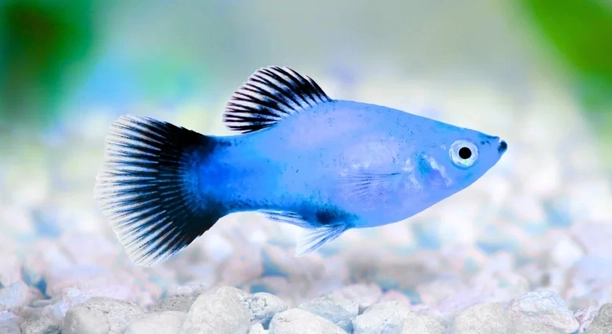
Is your platy swimming frantically or hiding more than usual, even when the tank seems perfectly clean and safe?
Excessively bright lighting in a platy tank can cause stress, unusual behavior, and even health issues. Platys thrive in moderate lighting conditions that mimic their natural habitat. Too much light disrupts their daily rhythms and overall comfort.
Learning how to spot early signs of lighting stress can help protect your platy’s well-being and create a calmer, more balanced tank environment.
1. Your Platy Hides Constantly
Platys are usually active and social fish. If you notice them hiding behind plants, decorations, or filter parts for long periods, it may be a response to bright lighting. Constant exposure to intense light can cause stress, making your platy retreat to shaded areas. In the wild, they’re used to dappled light and shaded waters. Without enough cover, the brightness can feel overwhelming. This behavior often starts gradually, with short periods of hiding, then increases as the fish become more uncomfortable. Adding floating plants or adjusting the lighting schedule can help ease this behavior and reduce stress-related symptoms. Ensuring the tank has plenty of low-light zones and natural hiding spots can also help your fish feel more secure.
Hiding is one of the earliest signs of discomfort. It should not be ignored, especially if it becomes a daily habit or increases in frequency.
Observing where and how long your platy hides is important. If it spends more time in the darkest corners of the tank during the day, the lighting may be too intense. Try reducing the brightness slightly and watch for changes in activity. Many fishkeepers find that dimming the lights helps their fish become more active and social again.
2. Colors Appear Washed Out
Bright lights can cause your platy’s natural colors to fade or appear dull.
Platys rely on consistent, comfortable lighting to maintain their vivid coloration. When the light is too strong or shines directly on the tank for extended periods, their pigmentation can be affected. In some cases, the fish may start to look pale or even slightly translucent, especially if the stress is prolonged. Unlike fading due to illness, this change in color often happens gradually and is reversible. Dimmer lighting or shorter light periods usually helps restore their appearance. Floating plants or adjustable light fixtures work well for creating a more balanced setup. Strong overhead lights without any shaded zones create an environment that is visually overwhelming for platys.
Try observing your fish at different times of day. If their colors seem more vibrant under softer lighting or when the tank is partially shaded, the light intensity might be too high. A simple adjustment can bring back their natural beauty.
3. Gasping Near the Surface
Platys gasping at the water’s surface may signal poor oxygen levels, often linked to excessive lighting. Bright lights increase water temperature, which reduces oxygen availability and stresses your fish.
Warmer water holds less oxygen, and intense lighting can cause the tank temperature to rise gradually. If platys are spending more time at the top, especially near the filter output where oxygen is higher, this behavior should be taken seriously. Constant surface gasping is not normal and can lead to long-term health issues. To help, consider using a timer to limit lighting hours, increase surface agitation, or install an air stone. Dimmer lighting and added plants also help cool the tank slightly and support oxygenation. Consistently bright tanks, especially those without proper ventilation, can cause this issue to worsen quickly.
Make sure your thermometer readings match your platy’s comfort range, ideally between 72–78°F. Even small increases can make a difference. Combine that with reduced lighting duration—ideally eight hours or less. Avoid placing the tank near windows or other heat sources. If necessary, lift the tank lid during the day to increase airflow and support better gas exchange. These simple steps can help prevent your platy from gasping and restore calm to your aquarium.
4. Algae Growth Is Out of Control
Too much light often encourages rapid algae growth, which affects tank balance and platy health. Algae compete with plants and lower water quality, creating an unhealthy habitat over time.
When the tank gets more light than needed—especially 10 hours or more daily—it triggers an algae bloom. This buildup coats tank walls, gravel, decorations, and even plant leaves. Your platys may begin avoiding certain areas or seem less active. Overgrowth also reduces visibility and affects the aesthetic of the tank. Reducing the light schedule, adding floating plants, and using blinds to block sunlight help control the issue. Regular cleaning and occasional blackout periods can also slow algae spread. Consistent maintenance, like weekly water changes and gravel vacuuming, supports algae management.
If your tank has live plants, aim for a lighting period of about 6–8 hours daily. Use a timer for accuracy, and select lighting designed for planted aquariums. Avoid leaving lights on overnight. Some hobbyists also add snails or shrimp that safely consume algae, although this should be done carefully to avoid overstocking. Creating a balance between lighting, filtration, and plant growth will keep algae under control and make the tank more stable for your platys.
5. Glass Surfing or Frantic Swimming
If your platy keeps swimming along the tank glass rapidly or erratically, the lighting may be too strong. Bright, constant light can overstimulate fish, leading to nervous behavior and increased activity levels.
This behavior is often a sign of stress and discomfort. Reducing the light intensity can help them calm down.
6. Difficulty Sleeping or Resting
Platys need periods of darkness to rest properly. When lights stay on too long, they may struggle to settle, especially during nighttime hours. Restlessness and constant swimming are signs they are not getting enough downtime.
Keep the lights on for no more than 8 hours daily. Use a timer for consistency and include dark periods in their routine. Consider blackout curtains or tank covers if ambient room light remains high at night. Consistent light cycles help regulate their internal clock and improve behavior. Observing your fish during nighttime will help confirm if they’re getting adequate rest.
7. Unusual Aggression
Too much light can cause platys to become more aggressive than usual, especially in crowded tanks or when hiding spots are limited.
FAQ
How many hours of light do platys need each day?
Platys generally do best with 6 to 8 hours of light per day. Too much light can lead to stress, color fading, and unwanted algae growth. Using a timer helps maintain a consistent schedule. If you’re growing live plants, 8 hours is usually enough. For tanks without plants, you can reduce it to around 6 hours. It’s also helpful to give them a clear day-night cycle so they can rest properly. Avoid leaving the lights on all night or exposing the tank to extra light from nearby windows or lamps after hours.
Can I use natural sunlight for my platy tank?
It’s best to avoid direct sunlight. While it may seem like a natural option, it can quickly raise the tank’s temperature and lead to uncontrollable algae growth. Tanks placed near windows often face large temperature swings throughout the day. If you want to use ambient light, make sure it’s indirect and not prolonged. Most fishkeepers rely on adjustable LED lights for better control. These lights allow you to set a regular schedule and avoid exposing the tank to inconsistent brightness levels, which can stress your platys.
What kind of lighting is best for platy fish?
Soft, adjustable LED lighting is ideal. It gives you better control over brightness levels and usually stays cool, which helps avoid temperature changes in the tank. Look for lights that allow dimming or have built-in timers. If you have live plants, make sure the lighting is plant-friendly, but still not overpowering. You can also add floating plants to create shaded zones. These help reduce the light intensity and give your platys more comfort. Always aim for a balance—enough light for visibility and plant growth, but not so much that it overwhelms your fish.
What signs should I watch for if my lighting is too intense?
Some of the most common signs include hiding, loss of color, frantic swimming, and staying near the surface. You might also notice increased algae or your platy acting more aggressive than usual. These changes often develop slowly, so small behavioral shifts are worth noting. If more than one of these signs appears together, it’s a good idea to evaluate your lighting setup. Reduce the light hours or lower the intensity and observe any improvements over the next few days. Platys usually return to normal once conditions are more comfortable.
Is it safe to turn off the aquarium light at night?
Yes, and it’s recommended. Platys, like most fish, need darkness to rest. Keeping the tank dark at night helps regulate their natural rhythm. Use a timer to ensure the lights turn off at the same time every evening. If there’s light from the room or nearby electronics, consider covering the tank or adjusting its placement. Darkness is just as important as light when it comes to keeping your fish calm and healthy. A regular pattern of light and dark supports better behavior, sleep, and overall tank harmony.
Do floating plants really help with bright lighting?
Absolutely. Floating plants like duckweed, water lettuce, or frogbit help break up intense light and give your platys shaded areas to swim through. These plants also help lower water temperature slightly and absorb nutrients that would otherwise fuel algae growth. They’re easy to manage and make a big difference in light control. Even in tanks with strong lighting for plant growth, floating plants balance things out for your fish. Just make sure they don’t cover the whole surface, as your platys still need access to the top for air and feeding.
Final Thoughts
Keeping your platy tank at the right light level is just as important as feeding and cleaning. While bright lights can make your aquarium look better, they can also cause stress for your fish if not used properly. Platys are peaceful and active by nature, and their behavior changes when they are uncomfortable. Watching how they respond to your tank setup will help you know if the lighting is too strong. Small changes, like reducing the hours of light or adding floating plants, can make a big difference in their comfort. Fish may not show stress in the same way as other pets, so paying attention to their movement, color, and habits is very important.
A calm, balanced tank comes from observing and making adjustments as needed. If your platy hides a lot, gasps at the surface, or starts acting strangely, don’t overlook these signs. It’s easy to assume something else is wrong, but lighting is often the cause. Use a reliable light with a timer, stick to 6–8 hours per day, and avoid placing the tank near bright windows. Floating plants or decorations that block light can create shaded areas, giving your fish a safe place to rest. You don’t need to remove all the light—just keep it soft and steady. Consistency is more helpful than high brightness.
It can be rewarding to see your platys healthy, active, and showing off their natural colors. That usually means your tank environment is working well. The goal is to create a space that supports both the fish and any plants you keep. When the lighting is comfortable, your fish behave more naturally and experience less stress. Over time, this leads to better health and longer lifespans. Making small changes to lighting doesn’t have to be complicated. Simple steps like lowering brightness, shortening light periods, and adding plant cover are often enough. Watching your fish respond positively to these changes is a clear sign you’re on the right path. A well-lit tank should feel calm, not harsh—and your platys will show you when it feels just right.

Hello,
If you enjoy the content that we create, please consider saying a "Thank You!" by leaving a tip.
Every little bit helps us continue crafting quality advice that supports the health, happiness, and well-being of pets around the world, for pets of all shapes, sizes, and species.
We really appreciate the kindness and support that you show us!