
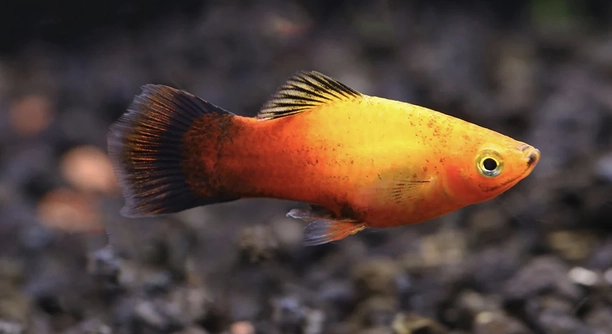
Many platies are kept as popular freshwater aquarium fish because of their vibrant colors and easy care. However, their diet plays a crucial role in keeping them healthy and active. Sometimes, these fish may show signs that their food lacks variety.
A lack of variety in a platy’s diet can lead to nutritional deficiencies and health problems. Providing a diverse range of foods ensures they receive essential vitamins, minerals, and nutrients necessary for growth and vitality. A balanced diet promotes better immune function and overall well-being.
Recognizing the signs that your platy needs more food variety can help prevent long-term issues. Understanding these indicators is important for maintaining a happy and thriving fish.
Signs Your Platy Shows Low Energy
When your platy lacks energy, it may swim sluggishly or hide more than usual. This behavior can indicate that their diet is missing important nutrients needed for vitality. A variety of foods keeps them active and lively. Without it, fish may lose their natural curiosity and spend more time resting than exploring their tank.
Low energy in platies is often linked to insufficient nutrient intake. A diet limited to one type of food may not meet all their dietary needs.
Platies need proteins, vitamins, and minerals to stay energetic. Feeding only flakes or pellets can lead to fatigue. Adding frozen or live foods like brine shrimp or daphnia boosts their energy levels. Vegetables such as blanched spinach or peas provide extra nutrients and fiber. A mix of food types helps maintain their natural behavior and keeps them swimming happily throughout the day.
Changes in Color Intensity
A dull or faded color in your platy is a common sign that their diet lacks variety. Bright colors come from proper nutrition, especially pigments found in certain foods.
Color changes can be subtle but noticeable over time when essential nutrients are missing.
Foods rich in carotenoids, such as spirulina or krill, enhance color vibrancy. When these are absent, platies lose their vivid hues. Feeding only basic flakes or pellets limits these pigments. Supplementing with natural foods supports healthy coloration and makes your platy stand out in the aquarium. Balanced nutrition is key to keeping your fish visually vibrant and healthy.
Loss of Appetite
A platy that suddenly stops eating or shows less interest in food likely needs more variety. Limited diets can make meals less appealing, causing reduced food intake.
When fish are offered the same food repeatedly, they may become bored and less motivated to eat. A diverse diet introduces different tastes and textures, which can stimulate their appetite. Offering a mix of flakes, frozen foods, and fresh vegetables encourages regular eating habits. Nutritional variety also helps meet all their dietary needs, supporting proper digestion and energy.
Adding live or frozen foods like bloodworms or brine shrimp can reignite a platy’s interest in feeding time. Including occasional vegetable treats improves digestion and nutrient balance. This variety keeps your fish eager and healthy over time.
Frequent Hiding Behavior
Platies that hide more than usual might be feeling unwell, often due to poor nutrition. When their diet lacks essential nutrients, their overall health weakens, prompting them to seek shelter.
Nutritional imbalances can affect a platy’s immune system, making them less confident and more prone to stress. Hiding is a common response to feeling vulnerable or sick. Improving diet variety boosts their immune defenses and energy, helping reduce hiding behavior. Offering live foods and fresh greens can improve vitality and encourage more active swimming. When platies receive a balanced diet, they tend to feel safer and spend more time exploring their environment.
Poor Growth
If your platy is smaller or growing slower than expected, it might not be getting enough nutrients. Limited food variety can cause this problem.
Proper growth requires a balanced diet with proteins, vitamins, and minerals. A single type of food often lacks these essentials.
Fin Damage
Fin damage can be caused by poor nutrition. A diet lacking in important nutrients weakens the fins and slows healing.
Feeding your platy a variety of foods helps maintain strong, healthy fins. Nutrient-rich foods support tissue repair and prevent deterioration.
Weight Loss
Noticeable weight loss in your platy is a clear sign of nutritional deficiency. If your fish appears thinner or less rounded, it needs better food variety.
How often should I change my platy’s diet?
It’s best to offer a varied diet regularly rather than sticking to the same food every day. Rotating foods like flakes, frozen brine shrimp, and fresh vegetables throughout the week ensures your platy gets all necessary nutrients. Changing foods every few days keeps them interested and healthy.
Can platies eat the same food every day?
Feeding the same food daily can cause nutrient gaps and boredom. While flakes or pellets can be a base, adding other foods is important for a complete diet. Variety prevents deficiencies and encourages natural feeding behaviors.
What are some good foods to add for variety?
Frozen or live foods such as brine shrimp, daphnia, and bloodworms provide proteins and stimulate appetite. Vegetables like spinach, peas, and zucchini add fiber and vitamins. High-quality flake foods supplemented with these options support health.
Is it okay to feed only flakes or pellets?
Flakes and pellets are convenient and designed to cover basic nutrition. However, relying solely on them can miss important nutrients and pigments needed for bright colors and growth. Supplementing with fresh and frozen foods improves diet quality.
How do I know if my platy is getting enough nutrients?
Healthy platies are active, colorful, and show steady growth. If your fish is bright, energetic, and eating well, its diet is likely adequate. Watch for signs like dull colors, slow growth, or low energy, which may indicate dietary gaps.
Can poor diet cause illness in platies?
Yes, a poor diet weakens the immune system, making platies more prone to infections and stress. Balanced nutrition strengthens their defenses and helps them recover faster from health issues.
How much variety is enough?
A simple mix of 2-3 different food types given throughout the week can be sufficient. For example, flakes two days, frozen foods two days, and vegetables once or twice weekly provide balanced nutrition without overcomplicating feeding.
Are live foods necessary for platies?
Live foods are not essential but highly beneficial. They encourage natural hunting behavior and provide nutrients that processed foods may lack. Offering live or frozen options occasionally improves overall health.
Can vegetables be part of a platy’s diet?
Yes, vegetables provide important fiber and vitamins. Blanched peas, spinach, or zucchini are safe and nutritious treats. They support digestion and add variety, which helps keep your platy interested in food.
What if my platy refuses new foods?
Introduce new foods gradually by mixing small amounts with familiar items. Patience is key—platies may take time to accept new tastes and textures. Consistent offering usually leads to acceptance.
Is overfeeding a risk when adding variety?
Overfeeding can cause water quality issues and obesity. Feed small amounts multiple times a day, only what your platy can consume in a few minutes. Variety does not mean increasing total food volume but improving quality.
Can a varied diet affect tank water quality?
Yes, some fresh and frozen foods can pollute water if uneaten. Remove leftover food promptly and maintain regular tank cleaning. Balanced feeding reduces waste and helps keep water clean.
How do I prepare vegetables for platies?
Vegetables should be blanched (briefly boiled) to soften them and remove harmful substances. Cool before feeding. Cut into small pieces to make eating easier and reduce waste.
What role do supplements play in a platy’s diet?
Supplements are rarely needed if you provide varied foods. However, vitamin-enriched flakes or occasional supplements can help in special cases like illness or breeding.
How can I tell if my platy’s diet is improving their health?
Look for increased activity, brighter colors, better appetite, and healthy growth. These signs show your platy is receiving proper nutrition and thriving in its environment.
A varied diet is important for keeping your platy healthy and happy. Feeding your fish the same food every day can lead to problems like poor growth, low energy, and dull colors. By offering different types of food, you make sure your platy gets all the vitamins, minerals, and nutrients it needs. Including flakes, frozen or live foods, and vegetables can provide a balanced diet that supports your fish’s overall well-being.
Noticing signs like loss of appetite, frequent hiding, or weight loss can help you know when your platy needs more food variety. These changes are often a way for your fish to show it is not getting the right nutrition. When you adjust the diet to include new foods, you may see your platy become more active and colorful again. Keeping an eye on these signs and making changes as needed helps prevent health problems before they become serious.
Taking care of your platy’s diet is a simple way to improve its quality of life. Feeding a mix of foods keeps your fish interested and encourages natural behavior. It also supports a strong immune system, better growth, and vibrant colors. Small changes to your feeding routine can make a big difference. By offering variety and paying attention to your platy’s needs, you help ensure it lives a long and healthy life in your aquarium.

Hello,
If you enjoy the content that we create, please consider saying a "Thank You!" by leaving a tip.
Every little bit helps us continue crafting quality advice that supports the health, happiness, and well-being of pets around the world, for pets of all shapes, sizes, and species.
We really appreciate the kindness and support that you show us!