
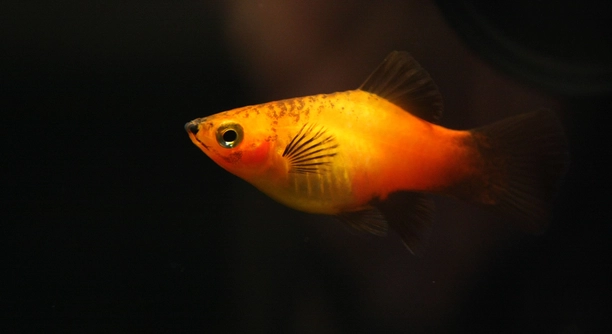
Is your platy acting more sluggish than usual or spending too much time near the surface of the tank? You might be wondering if your aquarium setup is meeting all of your fish’s needs, especially the filter.
The most common signs that your platy needs a different filter include poor water clarity, weak water flow, unusual behavior, and signs of stress. A filter that doesn’t meet the tank’s needs can affect overall fish health.
Learning how to recognize these signs early can help prevent bigger problems later. A few adjustments could make your platy’s environment cleaner, safer, and more comfortable.
Cloudy Water That Won’t Go Away
When your tank water stays cloudy even after regular cleaning, it could be a sign your filter isn’t strong enough. Platys need clear, well-oxygenated water to stay healthy. A filter that doesn’t properly cycle the water can lead to poor water quality, which causes stress and weakens your fish’s immune system. Cloudy water often points to a buildup of waste and uneaten food, which your filter should be handling. If you’ve ruled out overfeeding and poor cleaning habits, the problem likely lies with the filter’s efficiency. Some filters are better suited for small tanks or specific fish types. If your tank is overstocked or larger than what the filter supports, your platy may suffer the consequences. A better filter can help keep ammonia and nitrite levels down, improve oxygen flow, and remove fine particles from the water. Cleaner water means a healthier platy with more energy and brighter color.
Cloudy water isn’t just about appearance—it usually means your filter isn’t doing its job. This kind of environment can quickly affect your platy’s health.
Look for a filter rated for your tank size or slightly above. Also, make sure it offers both mechanical and biological filtration. This can make a big difference in water clarity.
Weak or Unsteady Water Flow
A filter with poor flow can lead to uneven water conditions and low oxygen levels. Platys thrive in stable, moving water, and a sluggish flow may not support their needs.
A filter that doesn’t create enough water movement can affect how oxygen spreads through the tank. Platys need consistent oxygen levels, especially if your tank has plants or decorations that slow water circulation. You might notice your platy hanging out near the surface more often, gasping for air or avoiding certain parts of the tank. These are signs that the water isn’t moving properly. A good filter helps mix the water evenly, making sure temperature, oxygen, and nutrients are balanced. If the filter’s output is too gentle or gets blocked often, it won’t be able to keep up with waste or provide the flow your platy needs. Check the filter’s specifications and clean it regularly. Upgrading to a model with adjustable flow may also help.
Frequent Debris Floating in the Water
Seeing small particles floating in the tank even after cleaning usually means your filter isn’t catching fine debris. Platys do best in clean water, and leftover waste can affect both their health and behavior over time.
Some filters lack the power or media types to trap smaller particles like plant bits, uneaten food, and waste. When these particles stay in the water, they can slowly break down and raise ammonia levels. Even if your tank looks mostly clean, constant debris can stress your platy, cause fin issues, or increase the risk of disease. This is especially true in tanks with more fish or plants. A filter with multi-stage media—mechanical, biological, and chemical—can help keep the water clear and safe. Check that your current filter matches your tank’s size and setup. Sometimes even a small upgrade can result in much cleaner conditions for your platy.
A proper filter should move enough water and have space for different types of filter media. Mechanical sponges catch debris, biological media support good bacteria, and carbon can help with odors and discoloration. Without these features, your tank will constantly look messy, no matter how often you clean it. A well-filtered tank makes for a more stable environment.
Strange Behavior or Hiding Often
Platys are usually active and curious, so if yours is hiding more or acting out of character, it might be reacting to poor water conditions. Filters that don’t function properly can quickly make the water stressful for your fish.
When water quality drops, your platy might become less social, stay near the bottom, or hide behind plants and decorations. It might also stop eating or swim erratically. These changes are often connected to unstable conditions caused by weak or clogged filters. Stress like this doesn’t always show up right away, but over time, it can lower immunity and lead to illness. Check for low flow, dirty filter pads, or buildup around the intake. Even small problems can change the tank’s balance. If your fish continues acting strangely even after a water change, it’s a strong sign your filter may need replacement or an upgrade. A better filter helps restore normal behavior.
Filter Gets Dirty Too Quickly
If your filter gets clogged or slows down often, it may be too small for your tank. Constant buildup reduces water flow and lowers the filter’s ability to clean, which creates an unhealthy space for your platy.
A filter that needs frequent cleaning might be undersized or missing proper media. This can lead to cloudy water, poor oxygen, and increased waste levels that stress your fish.
Water Smells Bad or Feels Oily
An unpleasant smell or oily surface film usually means the filter isn’t removing organic waste efficiently. This buildup often comes from uneaten food, decaying plants, or fish waste. These issues create chemical imbalances and stress your platy. A better filter helps prevent that by improving circulation and waste removal.
Ammonia or Nitrite Levels Stay High
High ammonia or nitrite levels that don’t go down after a water change are often linked to poor filtration. A healthy tank should have zero ammonia and nitrites, and only a small trace of nitrates. If your filter isn’t supporting enough beneficial bacteria, the tank’s nitrogen cycle can break down. Biological media helps build that bacteria and should be included in every filter. If your filter lacks it or has limited space, upgrading to one with more capacity and better flow can help stabilize the water. Always test regularly and act quickly if numbers remain high. These toxins can damage your platy’s gills and make them more prone to disease.
Your Platy Looks Dull or Inactive
When your platy’s colors fade or it stops moving much, it’s often reacting to poor water quality. A good filter supports healthy living conditions, which keep your platy vibrant, active, and more resistant to illness.
FAQ
How often should I clean my platy’s filter?
It depends on your filter type, but most should be cleaned every 2 to 4 weeks. Over-cleaning can remove good bacteria, so avoid rinsing filter media with tap water. Instead, use tank water during water changes to gently rinse debris off. If your filter slows down or looks visibly clogged, clean it sooner. Keep an eye on water flow, smell, and clarity—these are good signs your filter needs attention.
What type of filter is best for a platy tank?
Hang-on-back (HOB) filters and sponge filters are both popular for platy tanks. HOB filters offer strong mechanical, chemical, and biological filtration in one unit and are easy to maintain. Sponge filters provide gentle flow and are great for tanks with fry or shrimp. For tanks 10 gallons or larger, choose a filter rated slightly above your tank size for better performance. Always look for one that includes biological filtration, as this is key to stable water conditions.
Can I use a sponge filter alone?
Yes, sponge filters are effective on their own in many cases, especially in smaller tanks or tanks with only a few fish. They offer mechanical and biological filtration, but not chemical. If your tank has a higher bioload or you notice odor or discoloration, adding a small HOB filter with carbon can help. Sponge filters also promote stable conditions by being gentle and easy to clean, which helps reduce stress for your platy.
Why does my filter keep getting clogged so fast?
This usually happens when your filter is undersized, overloaded, or when there’s too much waste in the tank. Overfeeding and lack of routine cleaning also make the problem worse. Filters should run smoothly between cleanings. If yours clogs every week, consider a larger model or one with better media. Also, vacuum the substrate regularly and feed your platys only what they can eat in a minute or two. Extra food and waste quickly clog filters.
Is it okay to upgrade to a stronger filter?
Yes, as long as the new filter doesn’t create too strong of a current. Platys prefer moderate flow. If the water moves too quickly, they may struggle to swim and show signs of stress. Choose a filter with adjustable flow settings or use decorations and plants to slow the current in parts of the tank. A stronger filter helps with waste buildup and keeps your water clearer, especially in tanks with more fish.
Do platys need a filter if I do frequent water changes?
Even with regular water changes, a filter is still important. Filters help maintain oxygen levels and provide a space for beneficial bacteria to grow. Water changes remove some waste, but filters keep the tank stable between cleanings. Without a filter, ammonia and nitrite can spike quickly. For long-term health, filtration is always recommended.
How do I know if my filter is working properly?
Check the water flow, clarity, and smell. If the flow slows down, debris builds up, or your tank smells bad, it’s time to inspect the filter. You should also test water regularly for ammonia, nitrite, and nitrate. If ammonia or nitrite levels are above zero, your filter may not be supporting enough beneficial bacteria. Also, if your fish are hiding, gasping at the surface, or acting oddly, the filter might not be doing its job.
Can poor filtration cause disease in platys?
Yes, bad water conditions from poor filtration can lead to stress, which weakens the immune system. This makes your platy more vulnerable to common illnesses like fin rot, ich, or bacterial infections. Keeping a clean tank with a working filter helps reduce disease risks. Clean water supports your platy’s overall health, bright colors, and energy levels. A healthy filter is one of the most important parts of a safe, balanced tank.
Final Thoughts
Choosing the right filter for your platy tank can make a big difference in your fish’s overall health and behavior. A good filter does more than just clean the water—it helps maintain the right balance of oxygen, removes harmful waste, and supports beneficial bacteria that keep the water stable. If your platy shows signs like dull color, strange behavior, or if the water stays cloudy or smelly, those could be signs that your filter isn’t doing its job. Making a small change to your filter setup can prevent a lot of stress for both you and your fish.
It’s important to look at your tank size, how many fish you have, and the filter’s flow strength when deciding whether a new filter is needed. A filter that’s too weak won’t clean well, but one that’s too strong can create stressful conditions for your platy. Filters with adjustable flow settings are helpful because you can fine-tune the water movement to suit your tank. Make sure the filter offers mechanical, biological, and chemical filtration. Each one plays a role in keeping your tank clean and safe. Don’t forget that proper cleaning and routine care also play a big part in filter performance.
Your platy’s comfort and health depend a lot on the water they live in. By keeping the tank filtered well, you’re giving them a stable, safe place to swim, eat, and explore. If something feels off in your tank, it’s worth checking if your filter might be the issue. Taking time to understand how your filter works—and when it might be time for an upgrade—can save you from bigger problems later. Clean, steady water means a happy, active platy. When the water looks clear and your fish are swimming freely, that’s a good sign you’ve found the right setup. Small changes can go a long way, and your platy will thank you for it in its own quiet way.

Hello,
If you enjoy the content that we create, please consider saying a "Thank You!" by leaving a tip.
Every little bit helps us continue crafting quality advice that supports the health, happiness, and well-being of pets around the world, for pets of all shapes, sizes, and species.
We really appreciate the kindness and support that you show us!