
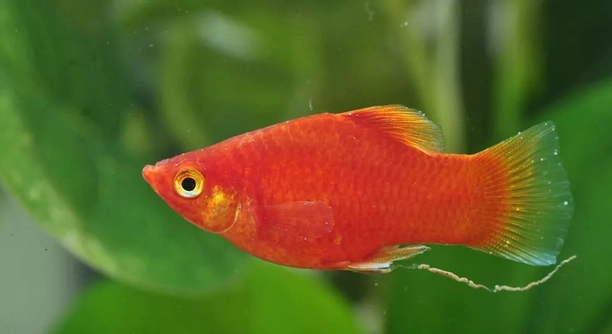
Is your platy acting differently and spending more time near the surface or hiding in corners of the tank lately?
Platies can become overheated when water temperatures rise above their comfort range, typically around 72–78°F. Prolonged exposure to high temperatures can lead to stress, rapid breathing, decreased appetite, and potential long-term health issues if not addressed promptly.
Learning to spot the early signs of heat stress in platies can make a big difference in preventing serious problems later.
Increased Gasping at the Surface
When your platy spends more time near the water’s surface and appears to be gasping, it could be a sign of overheating. Warmer water holds less oxygen, and platies respond by going to the surface where oxygen is more available. This behavior usually shows up alongside quick, visible gill movements. If your tank is near a window, heater, or in a warm room, temperatures can quickly rise without warning. Even minor increases can impact how your fish breathe. Keep a thermometer in the tank and monitor it regularly. Cooling the tank slowly with a fan or frozen water bottle can help regulate the temperature safely and avoid stressing your platy further.
This behavior is easy to miss if you aren’t watching closely, especially during the warmer months or after a water change with slightly warmer water.
Oxygen levels drop quickly in warm water. Watch for surface breathing to catch early signs of overheating in your platy.
Loss of Appetite
If your platy stops eating or shows less interest in food, heat may be the reason. Warmer water can slow digestion and make them feel unwell.
Platies tend to eat regularly and eagerly, so a sudden change in their feeding habits is usually noticeable. When the water gets too warm, their metabolic rate increases, which may seem like it would make them hungrier—but it often has the opposite effect. Overheating causes internal stress, making digestion uncomfortable and leading to a lack of interest in food. Food left uneaten will start to decay, further impacting water quality and adding to the stress. This can weaken your fish’s immune system and make them more vulnerable to illness. If you suspect overheating, test the water temperature first before assuming something more serious is wrong. Once the temperature returns to normal, appetite usually follows. A consistent feeding schedule and keeping the tank at a stable temperature will help maintain your platy’s health.
Unusual Swimming Patterns
Overheated platies often display erratic swimming, such as darting, looping, or floating near the top without moving much. These behaviors signal discomfort and can quickly worsen if the tank temperature isn’t addressed. Prolonged exposure to heat affects their balance and natural movement.
Erratic swimming isn’t always caused by illness—it’s sometimes the result of physical stress from temperature changes. A platy might zip around the tank in short, panicked bursts or hover near decorations without moving. These signs may be paired with rapid gill movement or color changes. Water that’s too warm speeds up their metabolism but also leaves them disoriented and confused. A stable, appropriate temperature helps them regain normal swimming patterns. Always test the water when you see strange movements instead of assuming it’s behavioral. If other tank mates are also acting differently, the temperature is likely the issue.
Look for patterns, especially after recent tank maintenance or hot weather. Sudden changes often trigger this behavior. Keep the tank covered and shaded during warmer months to prevent overheating. Consider using a thermometer with an alarm to notify you when water temperatures climb too high. Platies are sensitive to even small shifts and respond quickly to uncomfortable conditions. Acting fast helps them return to calm swimming behavior.
Hiding More Than Usual
Platies tend to be active swimmers. If one suddenly hides behind plants or decorations for long periods, overheating may be affecting its comfort and energy levels. This change often comes with a loss of color or slow movement.
Hiding is your platy’s way of escaping stress, and excessive heat is one of the most common triggers. In a tank that feels too warm, your fish may retreat to shaded or cooler spots in an attempt to protect itself. When the body overheats, energy drops and movement becomes sluggish. Your platy may avoid interaction, skip feeding, or stay tucked away for most of the day. These behaviors are not just signs of personality—they are warnings that something in the environment is off. A quick temperature check can confirm whether the tank is too warm. Adjusting light exposure, reducing heater use, or improving airflow in the room can help reverse the problem.
Color Fading
Color loss in platies can be linked to high temperatures. Heat affects their stress levels and overall health, leading to duller or washed-out coloring. This change is usually gradual but becomes more noticeable as the stress continues.
When your platy isn’t feeling well, vibrant hues can fade quickly. Overheating puts pressure on the immune system and disrupts normal functions, which shows up in the way your fish looks.
Rapid Gill Movement
Fast gill movement is a strong indicator that your platy is overheating. It reflects the body’s attempt to absorb more oxygen from the water. This usually happens when the oxygen level drops due to higher temperatures.
Heavy gill activity that doesn’t slow down over time means something in the tank isn’t right. Always check the temperature first before making other changes.
Staying Near the Heater
Platies that hover close to the heater aren’t always cold—they may be confused by fluctuating heat zones in the tank. This behavior can happen when the tank is too warm overall.
Sluggish Behavior
Overheating leads to fatigue in platies. Instead of swimming actively, they may float, rest at the bottom, or move slowly throughout the tank. Their energy drops, and they may seem uninterested in their surroundings. This change can happen fast once the water warms too much.
How can I quickly cool down my platy’s tank if it gets too hot?
To cool your platy’s tank quickly but safely, start by removing the heater if you have one. Use a fan to blow across the water’s surface, which helps lower the temperature through evaporation. Adding frozen water bottles wrapped in a towel to the tank or placing them next to the tank’s side can also reduce heat without shocking the fish. Avoid drastic temperature changes, as sudden drops can stress your platy further. Monitor the water temperature regularly with a thermometer and adjust the cooling method accordingly. Partial water changes with cooler, conditioned water can also help, but never replace more than 20–30% at once to keep the environment stable.
What is the ideal temperature range for platies?
Platies thrive best in water temperatures between 72°F and 78°F (22°C to 26°C). Staying within this range ensures their metabolism and immune system work properly. Temperatures consistently above 78°F risk overheating, while anything below 68°F can cause stress from cold. Keeping the tank stable within the ideal range reduces the chance of illness and encourages normal behavior and appetite.
How often should I check my tank temperature?
It’s best to check the tank temperature daily, especially during warmer seasons or if your home heating changes. Use a reliable aquarium thermometer placed inside the tank, away from direct sunlight or heater output for accurate readings. Frequent monitoring helps catch overheating early before it causes health problems.
Can adding plants help regulate tank temperature?
Live plants can help by providing shade and reducing light exposure, which slightly lowers tank temperature. They also improve oxygen levels and overall water quality, benefiting your platy’s health. However, plants alone won’t fix overheating caused by high room temperature or heater issues. They are best used alongside proper temperature control methods.
What signs mean my platy is in serious danger from heat?
Signs like continuous rapid gill movement, extreme lethargy, loss of balance, or floating upside down indicate serious heat stress. If these appear, immediate action is needed to cool the tank and improve oxygen levels. Prolonged heat exposure without intervention can lead to organ damage or death.
Is it safe to use an air conditioner in the room where the aquarium is?
Yes, using an air conditioner can help keep the room temperature lower and more stable, which benefits the tank. Cooler room air reduces water temperature naturally. However, avoid placing the tank directly under cold air vents, as sudden cold drafts can shock the fish.
Can overheated water cause diseases in platies?
Yes, warm water weakens your platy’s immune system, making it easier for parasites, bacteria, and fungi to take hold. Common diseases linked to heat stress include fin rot, ich, and fungal infections. Maintaining proper temperature helps prevent these health issues.
Should I stop feeding my platy if it shows signs of overheating?
It’s better to reduce feeding rather than stop completely. Overheated platies may have slower digestion, so feeding smaller amounts or skipping a meal can reduce waste and water contamination. Resume regular feeding once the temperature is back in the safe range.
Can tank size affect overheating risk?
Smaller tanks heat up faster and are more vulnerable to temperature swings. Larger tanks hold temperature more steadily and are easier to regulate. If you have a small tank, extra care is needed to monitor and control heat to keep your platy safe.
What equipment helps prevent overheating?
Using a reliable aquarium thermometer with an alarm, a quality heater with a thermostat, and an aquarium fan or chiller are useful tools. Proper lighting setup and room ventilation also help maintain stable temperatures. Regular maintenance of equipment ensures everything works correctly.
Understanding the signs that your platy might be overheated is important for keeping your fish healthy and happy. Overheating can happen when the water temperature rises above what platies are comfortable with. This can cause changes in their behavior, such as gasping at the surface, hiding more than usual, or losing their appetite. Noticing these signs early allows you to take action before your fish faces serious health problems. By keeping the tank temperature stable and within the right range, you can help your platy live a longer, stress-free life.
Keeping a close eye on your aquarium’s environment is key. Regular temperature checks with a thermometer are an easy way to prevent overheating. It is also important to make sure your tank is not in direct sunlight or near heat sources that can cause the water to warm up. Using fans, air conditioning, or cooling packs can help lower the temperature if it gets too warm. Additionally, adding plants can provide shade and improve oxygen levels, supporting your platy’s well-being. Simple changes to the tank setup and daily monitoring can make a big difference in avoiding heat-related stress.
Taking care of your platy means understanding its needs and responding quickly to any changes. Overheating is one of the most common issues in home aquariums, but it can be managed with proper care. Keeping water temperature steady, feeding your fish appropriately, and providing a calm environment helps your platy stay healthy. Remember, small steps like adjusting the room temperature or checking equipment regularly can prevent bigger problems. Staying informed and attentive ensures your platy enjoys a safe and comfortable home.

Hello,
If you enjoy the content that we create, please consider saying a "Thank You!" by leaving a tip.
Every little bit helps us continue crafting quality advice that supports the health, happiness, and well-being of pets around the world, for pets of all shapes, sizes, and species.
We really appreciate the kindness and support that you show us!