
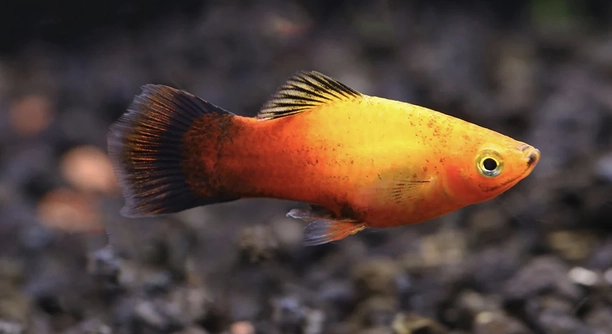
Many platy fish owners enjoy watching their colorful pets swim gracefully in the tank. However, sometimes these small fish may show signs that something is wrong. Recognizing when a platy might be in pain is important for their care and well-being.
Platies exhibit specific behavioral and physical changes when experiencing pain. Signs include changes in swimming patterns, loss of appetite, discoloration, and unusual hiding. Monitoring these symptoms allows timely intervention to prevent further health decline and ensure proper treatment.
Knowing these signs can help you respond quickly and keep your platy healthy and comfortable in its environment.
Changes in Swimming Behavior
When a platy is in pain, you might notice changes in how it swims. It may swim slower or seem to float awkwardly near the surface or bottom of the tank. Sometimes, the fish might stay in one spot for longer periods or hide more than usual. These changes usually indicate discomfort or illness. Platies are naturally active swimmers, so any shift from their normal movement pattern is a sign worth paying attention to.
These altered swimming behaviors can signal that your platy is struggling and needs help.
Swim irregularities often result from physical injuries, infections, or internal pain. If the fish is rubbing against tank objects or scratching, it might be trying to ease irritation. It’s important to observe if the movement is erratic or labored, which could indicate severe issues. Providing a calm, clean environment and monitoring water quality can reduce stress and support healing. If symptoms continue, consulting a vet or experienced aquarist is essential to address the root cause and avoid worsening conditions.
Loss of Appetite
A platy in pain often stops eating or shows little interest in food. This change is a clear sign that something is wrong. Pain can cause stress and reduce the fish’s natural hunger, making it difficult for the platy to maintain good health.
Loss of appetite can quickly lead to weakness if left unaddressed.
Monitoring feeding habits is one of the easiest ways to spot pain early. If your platy ignores food for more than a day, it might be suffering internally or from an infection. Offering a variety of fresh foods and maintaining excellent water conditions can encourage eating. However, if the fish refuses food for several days, it is vital to investigate further and seek professional advice. Early action helps improve recovery chances and keeps your platy strong.
Visible Physical Injuries
Physical injuries like torn fins or bruises are clear signs your platy is in pain. These injuries can occur from tank mates, sharp decorations, or accidents inside the aquarium.
Visible wounds need immediate attention to prevent infection and further complications. Keep the tank clean and consider isolating the injured fish to reduce stress and avoid additional harm. Applying aquarium-safe treatments can help speed up healing. Regularly inspect your tank for hazards and ensure compatible tank mates to prevent injuries.
Untreated wounds can quickly worsen, leading to infections that may affect internal organs. A clean environment supports recovery, and monitoring the injury daily allows you to track healing progress. If the injury does not improve or worsens, consulting an aquatic vet is essential for proper treatment.
Excessive Hiding
Platies in pain often hide more than usual. This behavior helps them avoid stress and conserve energy while feeling vulnerable.
Hiding can indicate discomfort or illness. The fish might stay behind decorations or under plants, showing reluctance to swim openly. This change in behavior should be taken seriously.
While hiding is a natural defense, prolonged isolation might worsen the platy’s condition by limiting its access to food and oxygen-rich water areas. Ensure the tank environment has plenty of hiding spots but also encourages swimming. Observe if the fish eats while hiding, as a lack of appetite combined with hiding signals serious issues requiring prompt attention. Creating a low-stress environment can help the platy feel safe enough to return to normal activity.
Discoloration or Spots
Discoloration or unusual spots on your platy’s body can indicate pain or illness. These changes often point to infections, parasites, or stress.
Noticing these marks early helps prevent serious health problems. Keep the water clean to reduce risks.
Labored Breathing
Labored breathing in platies appears as rapid gill movement or gasping at the water surface. This is a sign of stress, poor water quality, or illness.
Checking water parameters and improving oxygen levels can ease breathing difficulties. If the problem persists, veterinary advice may be needed.
Unusual Body Posture
A platy holding its body stiffly or oddly is likely uncomfortable or in pain. This posture signals internal problems or injury that require attention.
Loss of Color Brightness
When a platy’s colors fade, it often reflects poor health or pain. Bright, vibrant colors usually mean the fish is well and comfortable.
FAQ
How can I tell if my platy is really in pain?
Pain in platies usually shows through changes in behavior and appearance. Look for slowed or erratic swimming, hiding more than usual, loss of appetite, or visible injuries. Physical signs like discoloration, spots, or unusual body posture can also indicate discomfort. Observing these signs early helps with timely care.
What should I do if I notice my platy is hiding a lot?
Excessive hiding can mean your platy is stressed or in pain. Ensure the tank has plenty of safe hiding spots but also maintain clean water and proper temperature. Avoid sudden changes in the environment. If hiding continues for days and the fish stops eating, it’s best to consult a vet or aquatic specialist.
Can water quality affect my platy’s health?
Absolutely. Poor water quality is a leading cause of stress and illness in platies. High ammonia, nitrite, or nitrate levels irritate their gills and skin, causing pain and breathing difficulties. Regular water testing and maintenance are essential. Partial water changes and a good filtration system help keep your tank safe.
Is it normal for platies to lose their color?
A healthy platy has bright, vibrant colors. Loss of color can indicate stress, illness, or poor water conditions. Sometimes, changes in lighting or aging can cause slight fading, but consistent dullness usually means the fish is unwell and needs care.
How often should I check my platy for signs of pain or illness?
It’s best to observe your platy daily during feeding and tank maintenance. Quick checks of behavior and appearance can catch problems early. Regular monitoring prevents serious illness and helps keep your fish healthy and comfortable.
What are common causes of pain in platies?
Pain can come from physical injuries, infections, parasites, or poor water conditions. Aggressive tank mates may cause fin damage. Stress from overcrowding or sudden environmental changes also affects their well-being. Identifying the cause is key to proper treatment.
Can I treat my platy’s pain at home?
Minor injuries or mild stress can sometimes be managed by improving tank conditions, such as clean water, stable temperature, and reducing stressors. However, infections or serious injuries may require medication or professional care. Always research treatments or seek expert advice before applying any medication.
How do I prevent my platy from getting hurt or sick?
Maintain stable water quality, avoid overcrowding, and choose peaceful tank mates. Provide hiding spots and a balanced diet. Regular tank cleaning and monitoring are crucial. Prevention is always easier and better than treatment.
When should I isolate a sick platy?
Isolate a platy if it shows visible injuries, infectious disease symptoms, or severe stress. A separate quarantine tank helps prevent spreading illness and allows targeted treatment. Make sure the isolation tank has proper conditions similar to the main tank.
Can stress cause pain in platies?
Yes, stress weakens the immune system and can cause physical symptoms like loss of appetite, hiding, and color fading. Stress sources include poor water quality, aggressive tank mates, or sudden environmental changes. Minimizing stress is important for your platy’s health.
Understanding the signs that your platy might be in pain is important for keeping your fish healthy. Platies are delicate creatures, and changes in their behavior or appearance can quickly signal distress. By paying close attention to how they swim, eat, and interact in their environment, you can catch early warnings. Noticing symptoms like hiding too much, loss of appetite, unusual swimming, or physical injuries allows you to take action before the problem worsens. Taking care of these small signals is key to providing the best care possible.
Maintaining a clean, stable aquarium environment plays a big role in preventing pain and illness in your platy. Regular water testing and cleaning help reduce harmful substances that can stress or hurt your fish. Providing enough space and peaceful tank mates also keeps your platy from injury or fear. It’s important to watch for any sudden changes in water temperature or conditions because these can cause stress, which often leads to health problems. Simple steps like these make a big difference in your fish’s overall well-being.
If you see signs of pain or illness in your platy, don’t delay in making changes or seeking advice. Sometimes, small adjustments like improving water quality or isolating a sick fish can help it recover. Other times, you may need help from a professional who understands fish health. Your attention and quick response can improve your platy’s chances of healing and living comfortably. Caring for your platy with patience and careful observation ensures it stays happy and healthy in your care.

Hello,
If you enjoy the content that we create, please consider saying a "Thank You!" by leaving a tip.
Every little bit helps us continue crafting quality advice that supports the health, happiness, and well-being of pets around the world, for pets of all shapes, sizes, and species.
We really appreciate the kindness and support that you show us!