
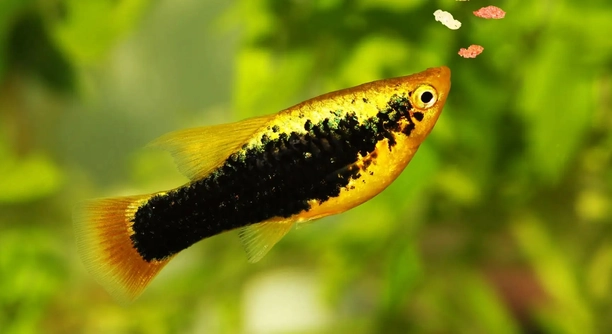
Platies are popular freshwater fish known for their vibrant colors and ease of care. Many owners enjoy watching their fish breed and expand their aquatic community. Recognizing when your platy is ready for breeding can help ensure a successful experience.
Signs your platy is ready for breeding include physical changes such as a swollen abdomen in females, the presence of a gravid spot, active chasing behavior by males, and changes in coloration or fin shape. These indicators reflect the fish’s reproductive readiness and overall health.
Knowing these signs can help you prepare the right environment for breeding. Understanding your platy’s behavior and physical changes will lead to a more rewarding fish-keeping experience.
Physical Changes in Female Platies
Female platies show clear physical signs when they are ready to breed. One of the most obvious is a swollen abdomen, which indicates the presence of developing fry inside. You may also notice a dark spot near the rear underside of the female called the gravid spot. This spot becomes more pronounced as pregnancy progresses. Healthy females ready for breeding usually have a rounded belly and maintain vibrant coloring. It’s important to monitor these changes carefully because a bloated appearance without a gravid spot could signal health issues rather than pregnancy. Observing these physical changes helps you identify when to separate females into a breeding tank to give them a safe environment for birthing and raising young.
Female platies’ swollen bellies and gravid spots are reliable visual indicators of reproductive readiness. These changes are easier to spot with regular observation.
Keeping track of these signs allows for better preparation and care during breeding. Providing clean water and hiding spots in the tank ensures the female feels secure. Stress-free conditions improve fry survival rates. Early detection of pregnancy supports healthy breeding outcomes and protects the female’s well-being.
Behavioral Signs of Breeding Readiness
Male platies display distinct behaviors when they are ready to breed. They often chase females actively around the tank and show increased territoriality. This chasing is part of the courtship process. Males may also show more vibrant colors during this time to attract females. Females, in turn, might respond by hiding or swimming away to avoid constant attention. Understanding these behaviors helps you know when to introduce breeding pairs and prepare the environment to minimize stress. Monitoring behavior also helps distinguish between normal activity and signs of aggression, which can harm the fish if unchecked.
Male chasing and color changes are key behaviors indicating breeding readiness in platies. These actions signal reproductive activity and courtship.
Watching how your platies interact provides insight into their breeding status. Setting up a calm, spacious tank with plants or decorations offers hiding places for females, reducing stress during courtship. Avoid overcrowding to prevent aggressive encounters. By recognizing and managing these behaviors, you can create a suitable environment that encourages natural breeding and protects the health of both males and females. Proper behavioral understanding contributes to successful and healthy breeding cycles.
Color and Fin Changes
Color and fin changes can signal breeding readiness in platies. Males often display brighter colors, while females may show subtle shifts in fin shape or coloration.
Male platies intensify their colors to attract females during breeding periods. Their fins may become more extended or show sharper edges, which is a visual cue to females. These changes indicate hormonal shifts preparing the fish for reproduction. In contrast, females tend to maintain softer hues but can sometimes display slight fin changes as well. Observing these subtle differences requires attention but is a helpful way to identify readiness without disturbing the fish.
Regular observation of these physical cues complements other signs like behavior and abdomen swelling. Color and fin changes often coincide with courtship activity. Providing a stable environment with proper nutrition enhances these natural signals. These indicators help distinguish mature, healthy fish prepared for breeding from those still developing or stressed. Keeping track of such signs supports timely breeding management and better outcomes.
Preparing the Breeding Environment
Creating the right breeding environment is crucial for success. The tank should be clean, well-planted, and quiet.
A breeding tank for platies must maintain stable water parameters, including a temperature between 75-80°F and a pH around 7.0 to 8.2. Plants provide necessary hiding places for fry, protecting them from adult fish that may eat them. A gentle filter keeps the water clean without creating strong currents, which can stress the fish. Avoid overcrowding the tank to reduce stress and aggression. Soft lighting mimics natural conditions and encourages spawning. Regular water changes help maintain a healthy environment by removing waste and toxins. These conditions encourage natural breeding behavior and increase fry survival.
Setting up the breeding tank ahead of time allows the fish to acclimate, reducing stress that could prevent spawning. Using live plants like java moss or hornwort provides safe spaces for fry to hide immediately after birth. Introducing the breeding pair into this prepared environment promotes a smoother breeding process and healthier offspring. Proper tank preparation is essential for a successful and low-stress breeding experience.
Increased Appetite
Platies often show an increased appetite when ready to breed. Both males and females may eat more frequently and eagerly.
Feeding high-quality foods such as live or frozen brine shrimp and daphnia can support their nutritional needs during this time. A nutritious diet helps prepare their bodies for spawning and supports healthy fry development.
Gravid Spot Darkening
The gravid spot on female platies darkens significantly as pregnancy progresses. This spot becomes larger and more noticeable near the anal fin.
Observing this change is one of the most reliable ways to track pregnancy. It signals the female is carrying fry and nearing the time to give birth.
Changes in Swimming Patterns
Breeding-ready platies often swim more actively and display frequent chasing behavior. Males will pursue females persistently in preparation for mating.
This increased movement is a natural part of courtship. Providing enough space in the tank helps reduce stress and allows natural behaviors to occur.
Separation of Pregnant Females
Separating pregnant females into a dedicated breeding tank helps protect both the mother and fry from aggression or predation by other fish.
FAQ
How long does it take for a platy to show signs of being ready to breed?
Platies typically show signs of breeding readiness between 3 to 6 months old. Females develop a gravid spot and swollen abdomen as they mature, while males display brighter colors and active chasing behavior. These signs become more obvious as they reach sexual maturity.
Can I breed platies in a community tank?
While it is possible, breeding in a community tank is not ideal. Adult fish may eat the fry, and constant activity can stress pregnant females. A separate breeding tank with plants and hiding spots improves fry survival and reduces stress for all fish involved.
What is the gravid spot, and why is it important?
The gravid spot is a dark area near the female’s anal fin. It indicates the presence of developing fry inside the female. The spot darkens and grows as pregnancy progresses, making it a reliable visual cue for breeders to track pregnancy stages.
How often should I feed my platies during breeding?
Feeding 2 to 3 times daily with a varied diet is recommended. Include high-quality flakes, live foods like brine shrimp, and frozen options. Proper nutrition supports energy needs for courtship, spawning, and fry development.
What water conditions are best for breeding platies?
Stable water temperature between 75-80°F and a pH of 7.0 to 8.2 is ideal. Regular water changes help maintain cleanliness. Avoid sudden fluctuations in water parameters, as stress can prevent successful breeding.
How can I tell if a male or female platy is ready for breeding?
Males become more colorful and chase females actively. Females show a rounded belly and gravid spot. Observing both physical and behavioral signs gives a clear indication of breeding readiness.
Should I separate the pregnant female from the males?
Yes, separating pregnant females helps prevent stress and aggression. It also protects the developing fry once they are born, improving survival rates by reducing the risk of being eaten.
How long is the gestation period for platies?
Gestation lasts about 24 to 30 days. During this time, monitoring the female’s gravid spot and behavior can help predict when she will give birth.
What do I do once the fry are born?
Provide plenty of hiding places like plants or breeding grass to protect fry from adults. Feed the fry small, frequent meals with finely crushed flakes or specialized fry food to support their growth.
Can platies breed year-round?
Platies can breed year-round if tank conditions remain stable and food is abundant. Consistent temperature and clean water encourage continuous breeding cycles.
What are common problems during breeding, and how can I avoid them?
Overcrowding and poor water quality are major issues. Keep the tank clean, avoid overfeeding, and provide enough space. Stress can also disrupt breeding, so maintain a calm environment with minimal disturbances.
How do I care for a female platy after she gives birth?
Ensure she has a quiet, stress-free space with clean water. Continue feeding her well to help regain strength. Avoid overcrowding to reduce stress and aggression from other fish.
Are there any signs that a platy is not healthy enough to breed?
Signs include lethargy, faded colors, irregular swimming, or a bloated abdomen without a gravid spot. Sick fish should not be bred until they recover fully to ensure healthy offspring.
Can platies interbreed with other livebearers?
Yes, platies can interbreed with closely related livebearers like swordtails. This can result in hybrids, which may have mixed traits. If pure breeding is desired, keep species separate.
How many fry can a female platy produce at one time?
A female can give birth to anywhere from 20 to 50 fry per batch. This number varies based on her size, age, and overall health.
These questions cover common concerns about platy breeding. Keeping track of signs and maintaining proper care will help you manage the process with confidence and success.
Breeding platies can be a rewarding experience for anyone who enjoys keeping fish. Understanding the signs that your platy is ready to breed is essential to ensure a smooth process. Paying attention to physical changes such as the gravid spot and swollen abdomen in females, along with behavioral signs like chasing and color changes in males, helps identify when breeding is likely to occur. Recognizing these signs early allows you to prepare the right environment and provide proper care, which is important for the health of both the parents and the fry.
Creating a suitable breeding environment is just as important as knowing the signs. A clean tank with stable water conditions, proper temperature, and plenty of plants or hiding places offers a safe space for pregnant females and newly born fry. Avoiding overcrowding and keeping the water quality high reduce stress and improve survival chances. Feeding your platies a balanced diet supports their health during this time. With careful preparation and attention to detail, you can increase the success of your breeding efforts while keeping your fish happy and healthy.
Patience and observation are key throughout the breeding process. Not every attempt will be successful, and it is normal for fish to need time to adjust and show clear signs of readiness. Taking note of changes in behavior and appearance while providing a stable environment will help you manage breeding more effectively. By focusing on the well-being of your platies and their fry, you can enjoy watching the natural growth of your aquatic community over time.

Hello,
If you enjoy the content that we create, please consider saying a "Thank You!" by leaving a tip.
Every little bit helps us continue crafting quality advice that supports the health, happiness, and well-being of pets around the world, for pets of all shapes, sizes, and species.
We really appreciate the kindness and support that you show us!