
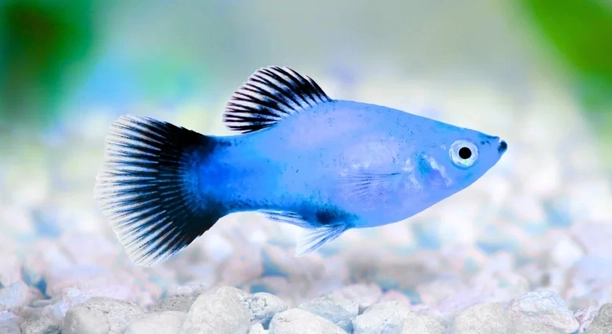
Platies are popular freshwater fish known for their bright colors and easy care. Many owners enjoy watching them swim and thrive in their tanks. Proper lighting is important for keeping platies healthy and active every day.
When platies do not receive enough light, they can show signs such as faded colors, sluggish behavior, poor growth, and weakened immune systems. Insufficient light disrupts their natural rhythms and can lead to stress and illness, impacting their overall well-being.
Knowing these signs early helps you create a better environment for your platy. This article will guide you through the key indicators that your fish might need more light to stay healthy and happy.
Faded Colors and Dull Appearance
One of the first signs your platy is not getting enough light is a noticeable fading of its colors. Platies are naturally vibrant, but without proper light, their bright hues can become dull or washed out. This happens because light helps fish produce and maintain their pigmentation. When lighting is insufficient, the fish’s body may stop producing the bright colors it usually shows. Over time, this can make your platy look less lively and more washed out. You might also notice that the scales lose their shine or appear cloudy. This change can be worrying because color is often a good indicator of a fish’s health. Watching your platy lose its color slowly can be disappointing, but it is a clear signal that the environment needs adjusting. Proper lighting supports not only their color but also their overall behavior and mood.
Even if your platy seems active, faded colors mean it’s not thriving as it should.
Without enough light, platies lose their bright colors and appear tired. This affects how happy they seem in their tank.
Sluggish Behavior and Less Activity
Platies usually swim around actively and explore their tank, but lack of light can make them sluggish. When the lighting is poor, they may hide more often or stay still at the bottom of the tank. This behavior change happens because fish depend on a light cycle to regulate their natural rhythms, including feeding and activity. Without enough light, their energy levels drop, and they become less interested in swimming or interacting with their environment. You might notice your platy resting more and reacting slower to food or changes around the tank. This lack of movement can also be linked to stress or feeling unsafe, which often comes from an improper environment. Making sure the light is bright enough and on a regular schedule can help bring back your fish’s natural energy and curiosity.
Regular, sufficient lighting is important to keep platies energetic and engaged in their surroundings. When they move less and hide more, it’s time to check their light levels carefully.
Poor Appetite and Weight Loss
Platies with low light exposure often eat less and lose weight. Their metabolism slows down, and they may seem uninterested in food. This can weaken their immune system over time.
When platies don’t get enough light, their bodies struggle to process food properly. The natural day-night cycle helps regulate feeding habits, so without it, their appetite drops. This means they might refuse food or eat less than usual. Over time, this leads to weight loss and a weaker condition. Watching a once energetic platy turn away from food can be frustrating. Poor appetite also makes platies more vulnerable to diseases because their bodies lack the energy needed to fight infections. Proper lighting helps keep their metabolism active and appetite steady.
Ensuring a consistent light schedule and proper intensity can improve your platy’s eating habits and overall health.
Reduced food intake due to low light directly affects a platy’s strength. This makes it harder for them to stay healthy and recover from stress.
Weakened Immune System
A platy’s immune system depends partly on proper lighting. Without enough light, their ability to resist illnesses drops. This puts them at higher risk for infections.
Lack of light stresses fish, which weakens their immune defenses. This makes it easier for bacteria, fungi, or parasites to cause illness. Inadequate lighting also slows down healing and recovery from minor injuries or infections. You may notice your platy getting sick more often or taking longer to recover. This is a sign that the tank environment needs attention. By improving the lighting, you help strengthen your platy’s natural defenses. Consistent light helps regulate hormones and supports a healthy immune response. Proper care, including balanced light, reduces the chances of frequent health problems.
Keeping light levels adequate is a simple step toward maintaining your platy’s strong immune system and long-term well-being.
Slow Growth and Development
Platies need enough light to grow properly. Without it, their development slows down, and they may remain smaller than usual.
Inadequate lighting limits energy production, which is crucial for healthy growth. Young platies are especially affected and may struggle to reach their full size.
Changes in Breeding Behavior
Low light can reduce breeding activity in platies. They may become less interested in mating or produce fewer eggs. This happens because light influences their hormonal cycles, which control reproduction. Without enough light, platies may not breed as often, affecting their population in the tank.
Increased Stress Levels
Insufficient lighting causes stress in platies. Stress weakens their immune system and makes them more vulnerable to illness.
How much light does a platy need daily?
Platies generally need about 8 to 12 hours of light each day. This amount mimics their natural environment and supports their normal behavior, growth, and health. Too little light can cause the problems already discussed, while too much light may stress the fish or encourage algae growth. It’s best to use a timer to keep the lighting consistent, so your platy has a reliable day and night cycle. This helps regulate their internal rhythms and keeps them healthy.
Can I use any type of light for my platy tank?
Not all lights are suitable for platies. They do best under full-spectrum aquarium lights that provide a balanced range of light similar to natural sunlight. These lights help maintain the colors and behaviors of your fish and support any live plants you may have. Avoid lights that are too dim or too harsh, as these can stress the fish. LED aquarium lights are a popular choice because they offer good brightness, energy efficiency, and adjustable settings.
What happens if my platy gets too much light?
Too much light can cause stress and encourage excessive algae growth in the tank. Stress from bright or prolonged light may lead to hiding, reduced appetite, or illness. Algae overgrowth can reduce water quality, making it harder to keep the tank clean and healthy. If you notice these signs, try reducing the light period or using dimmer lighting. A balance between enough light for health and avoiding overstimulation is key.
How can I tell if my tank lighting is right?
Observe your platy’s behavior and appearance. Healthy, bright colors, active swimming, and regular feeding are good signs. If your fish looks dull, hides often, or seems inactive, lighting may be the issue. Also, check the plants—if they’re thriving, the light is probably sufficient. Use a timer to keep the light consistent, and avoid sudden changes in lighting. Monitoring these signs regularly helps you adjust lighting before problems develop.
Should I turn off the light at night?
Yes, platies need a dark period to rest properly. Turning off the light for about 12 to 16 hours each night allows them to recover and maintain a natural rhythm. Constant light can confuse and stress them. Using a timer makes this easy to manage, ensuring your platy gets enough darkness to stay healthy.
Can lighting affect water temperature?
Some lights, especially older types like incandescent bulbs, can raise the tank temperature if left on too long or placed too close. LED lights produce less heat and are safer for maintaining stable temperatures. Keeping the water temperature steady is important since platies thrive in temperatures between 72°F and 78°F (22°C–26°C). If the tank gets too warm, it can increase stress and health issues.
What if I have live plants in the tank?
Live plants need good lighting to grow, and healthy plants help keep water clean by absorbing waste and providing hiding spots. Proper lighting supports both your platies and plants, creating a balanced environment. If plants look pale or stop growing, the light may be too weak. Adjusting the light to meet the needs of both plants and fish improves tank health overall.
Is natural sunlight enough for platies?
Natural sunlight can help but is not always reliable or safe as the main light source. Direct sunlight can cause temperature swings and excessive algae growth. It also doesn’t provide consistent lighting hours, especially during cloudy days or at night. Using an aquarium light designed for fish tanks is the best way to give your platies steady, appropriate lighting.
Proper lighting is essential for keeping platies healthy and happy in their tank. Without enough light, these colorful fish can lose their bright appearance, become less active, and even develop health problems. Observing your platy’s behavior and physical changes can help you notice early signs of insufficient lighting. This is important because making small adjustments to your tank’s lighting setup can improve your fish’s overall well-being. Providing the right amount and type of light supports their natural rhythms, feeding habits, and growth. It also helps keep their immune system strong so they can resist diseases.
When setting up lighting for your platy tank, consistency matters. Using a timer ensures the fish receive regular light and dark periods, which mimic their natural environment. This helps reduce stress and promotes normal behavior like swimming and breeding. It’s also important to choose the correct type of light. Aquarium-specific LED lights that offer a balanced spectrum are best for platies and any live plants you may have. These lights provide the brightness your fish need without causing too much heat or encouraging excessive algae growth. Watching how your fish respond to the light will guide you in making the right adjustments.
Taking care of your platy’s lighting needs is a simple but powerful way to support their health. Along with clean water and proper nutrition, good lighting creates a safe and comfortable home. If you notice your platy showing signs of faded colors, sluggishness, or poor appetite, checking the light should be one of your first steps. Remember that a healthy environment helps platies live longer and enjoy life in your tank. Paying attention to these details shows care and helps you enjoy watching your vibrant fish thrive every day.

Hello,
If you enjoy the content that we create, please consider saying a "Thank You!" by leaving a tip.
Every little bit helps us continue crafting quality advice that supports the health, happiness, and well-being of pets around the world, for pets of all shapes, sizes, and species.
We really appreciate the kindness and support that you show us!