
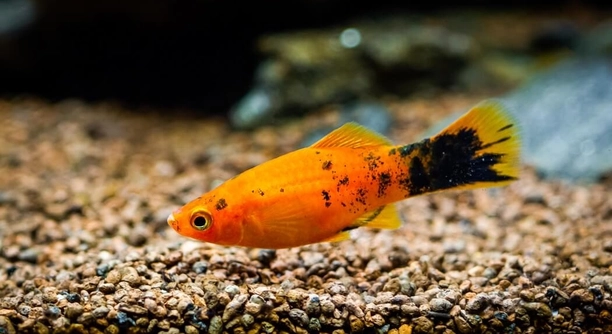
Are your platies showing strong behavior in your aquarium? Observing how they interact can help you understand the social dynamics in your tank. Knowing the signs of dominance can improve the health and harmony of your aquatic community.
Platy dominance is shown through behaviors like chasing, fin flaring, and claiming territory. These actions help establish a hierarchy within the tank, ensuring that dominant fish have priority access to food and space. Recognizing these signs can prevent conflicts and stress among your fish.
Knowing how to spot dominant behavior will help you maintain a peaceful tank environment. This guide will clarify what to watch for and how it affects your platies.
Chasing and Nipping Behavior
When a platy is dominating the tank, one of the most obvious signs is chasing other fish around. This chasing is not playful but a way to show control and push others away from favored spots. You might notice the dominant platy quickly darting after others, especially near hiding places or food. Along with chasing, nipping at fins or tails is common. This behavior helps the dominant fish remind others of their place in the hierarchy. Over time, the chased fish may become stressed and hide more often. Watching these actions closely helps identify which platy is taking charge. It’s important to keep the tank well-structured with plenty of hiding spots so the less dominant fish can avoid constant harassment. Managing this balance creates a healthier environment where all fish have room to thrive.
Chasing and nipping are clear ways a platy enforces dominance and controls space in the tank.
Noticing these behaviors early can prevent injury and stress. You might want to rearrange decorations or add plants to offer retreats. Dominant platies are less likely to chase if others have places to escape. It also helps to feed the tank evenly so no fish feels the need to guard food aggressively. These small changes reduce tension and make the aquarium a more peaceful home.
Fin Flaring and Display
Fin flaring is a strong visual signal used by dominant platies. When a platy spreads its fins wide, it looks bigger and more intimidating. This action is meant to warn others to stay back without physical fighting. You may see the dominant fish flare fins when near rivals or during feeding times. It’s a way to establish authority calmly but clearly. The size and brightness of the fins often show confidence and health, which supports dominance. Not all platies flare, so if one does it regularly, it’s a good sign of its top spot in the tank.
Watching fin flaring helps confirm which platy leads the social order.
Fin flaring can cause tension but is usually less harmful than chasing or biting. It works as a visual language between fish to avoid direct conflict. Over time, others recognize the dominant fish and back off when it flares. This behavior helps keep fighting to a minimum. Understanding fin flaring allows you to see how your platies communicate and maintain peace. If flaring increases suddenly, it may indicate stress or changes in the tank’s group dynamic. Keeping an eye on these signs lets you respond before problems grow. Adjusting tank size, group composition, or feeding routines can ease tension linked to dominance displays.
Territorial Behavior
Dominant platies often claim specific areas in the tank. They may stay close to certain decorations or plants and chase others away from these spots. This territorial behavior helps them control resources like food and resting places.
Territory in a tank gives dominant platies a sense of security and control. They patrol their chosen area, watching for intruders and defending it through chasing or fin displays. This keeps other fish moving around more and avoids overcrowding in one spot. Territorial platies often pick locations that offer good shelter or easy access to food. Understanding which areas your dominant platy claims can help you arrange the tank better to reduce fights. Adding multiple hiding places spreads out the fish and lowers stress caused by territorial disputes.
If the tank is small or lacks enough hiding spots, territorial behavior can increase tension. Fish without places to retreat might become stressed or injured. Larger tanks with diverse decorations help keep peace by giving everyone space. Watching how your platy moves and claims areas lets you improve their environment for calmer interactions.
Body Language and Color Changes
Dominant platies often show brighter colors and more confident postures. Their fins are fully spread, and they swim boldly around the tank. This body language signals strength to others without fighting.
Color changes can be subtle but important. When a platy feels dominant, its colors may become richer or more intense. Stress or submission usually cause duller colors. This visual cue helps fish recognize their place in the group quickly. You might notice that the dominant platy appears more vibrant, especially during feeding times or social interactions. Watching these changes helps track social shifts. A sudden loss of color in one platy could mean it’s feeling pressured or pushed down in rank. These signs show how fish communicate without words and maintain balance in the tank. Recognizing this can guide adjustments to keep your platies healthy and calm.
Food Guarding
Dominant platies often guard food aggressively. They swim quickly to the feeding spot and chase others away. This ensures they get the best share before others can eat.
This behavior can cause stress for less dominant fish. Spreading out food or feeding in multiple spots helps reduce conflicts and keeps the peace during meal times.
Hiding and Avoidance
Less dominant platies tend to hide more often. They avoid open spaces and stay near plants or decorations. This helps them stay safe from chasing or nipping by dominant fish.
This avoidance shows the social balance in the tank. Watching which fish hide the most helps identify the dominant ones and highlights the need for plenty of cover.
Changes in Social Structure
When a dominant platy is removed or dies, the tank’s social order quickly changes. Another platy steps up to take the top spot, often increasing chasing and fin flaring until the hierarchy settles.
Increased Activity
Dominant platies are usually more active swimmers. They explore the tank frequently and move confidently, showing they control their environment.
How can I tell if my platy is dominating the tank?
Dominant platies show clear behaviors like chasing other fish, fin flaring, and guarding food. They usually claim specific areas and swim more actively than others. You may also notice their colors are brighter and they behave confidently, pushing less dominant fish to hide or avoid them. Watching for these signs regularly helps you understand who leads the tank’s social group.
Is dominance harmful to other fish in the tank?
Dominance can cause stress for less dominant fish if it leads to constant chasing or food competition. This stress might cause hiding, dull colors, or even injury from fin nipping. However, some dominance is natural and helps establish order. The key is making sure the tank environment supports all fish by offering enough space and hiding spots.
What should I do if my dominant platy is bullying others?
If a platy is overly aggressive, try adding more plants or decorations to provide hiding places. Feeding food in multiple spots also reduces competition. Sometimes increasing tank size or adding more fish can balance social pressure. Avoid removing the dominant fish immediately, as this might cause more fights until a new leader is set.
Can dominance affect platy health?
Yes, stress from dominance struggles can weaken a platy’s immune system, making it more prone to illness. The dominant fish may also get injured if fights occur. Keeping the tank environment peaceful with proper care reduces health risks linked to dominance behaviors.
Do male or female platies dominate more often?
Males are usually more dominant due to territorial and breeding behaviors. However, females can also show dominance, especially in crowded tanks or when males are absent. Observing individual personalities is important because dominance is not always linked strictly to gender.
How do tank size and setup influence dominance?
Smaller tanks often increase dominance behaviors because fish have less space to escape or claim territory. A well-planted tank with plenty of hiding spots spreads out fish and lowers stress. Larger tanks give more room for fish to establish their areas without constant conflict.
Will dominance change over time?
Yes, dominance can shift as fish grow, age, or new fish are added. If a dominant platy is removed or dies, another will usually take over. Social order changes can temporarily increase chasing or fin flaring until a new balance is found.
Can I keep multiple dominant platies together?
It’s possible if the tank is large enough and well-structured. Multiple hiding places and even feeding spots help reduce conflicts. Still, expect some chasing and displays of dominance as they establish hierarchy, but these should not lead to constant fighting or injury.
What signs show a platy is stressed from dominance?
Stress signs include hiding frequently, dull or faded colors, damaged fins, and reduced appetite. Fish may also swim erratically or isolate themselves. These behaviors suggest the social environment needs adjustment to reduce pressure from dominant tank mates.
Should I separate dominant fish from the rest?
Separating dominant fish is usually a last resort. It’s better to improve tank conditions first by adding plants, rearranging decorations, or increasing tank size. If aggression is extreme and persistent, temporary separation can help prevent injury until the tank’s social order stabilizes.
Understanding dominance in your platy tank is important for keeping a healthy and peaceful environment. Dominant behavior is natural among platies as they try to establish social order. This includes chasing, fin flaring, guarding food, and claiming territory. When you recognize these behaviors, it becomes easier to manage your aquarium and reduce stress for all the fish. Watching how your platies interact helps you spot any problems early and take steps to improve their living space.
Providing enough room and hiding places can make a big difference in how dominant fish behave. A well-planted tank with plenty of decorations lets less dominant fish escape when needed. Feeding your fish evenly and in multiple spots also lowers food competition, which is a common trigger for aggressive behavior. Sometimes, changing the tank setup or adding more space is necessary to prevent tension. It is also helpful to remember that dominance is a shifting balance, and the social hierarchy will change over time as fish grow or new ones join the tank.
Keeping an eye on your platies’ behavior will help you maintain a peaceful community where all fish can thrive. Understanding signs of dominance and how they affect the tank’s social dynamics allows you to make small but important changes. These actions will help reduce stress, avoid injury, and keep your platies healthy and active. When the balance is right, you will enjoy watching your colorful platies swim confidently and happily in their shared home.

Hello,
If you enjoy the content that we create, please consider saying a "Thank You!" by leaving a tip.
Every little bit helps us continue crafting quality advice that supports the health, happiness, and well-being of pets around the world, for pets of all shapes, sizes, and species.
We really appreciate the kindness and support that you show us!