
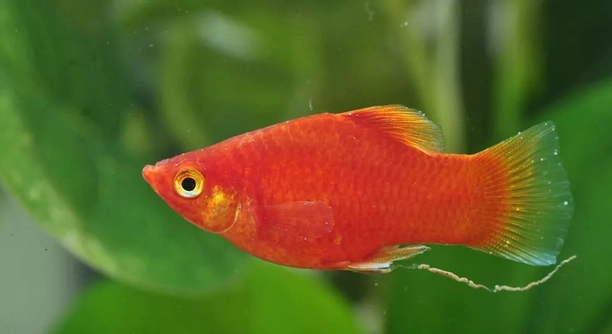
Platies are popular freshwater fish known for their bright colors and peaceful nature. Many people enjoy keeping them in home aquariums. However, sometimes these fish show signs of discomfort in their tank environment.
When a platy does not like the tank layout, it may display behaviors such as hiding frequently, reduced activity, or stress signs like clamped fins. Poor tank arrangement can impact their comfort, health, and overall well-being significantly.
Recognizing these signs early can help improve your platy’s environment and keep it healthy and happy in your aquarium.
Excessive Hiding Behavior
When platies don’t like their tank layout, one common sign is that they start hiding more than usual. They may stay behind plants, decorations, or in corners for long periods. This behavior shows that they feel unsafe or stressed. It often happens if the tank lacks enough hiding spots or if the tank is too open and exposes them to constant movement or light. Another cause can be sharp or uncomfortable decorations that make the fish avoid certain areas. Watching for this behavior is important because stress can weaken their immune system and lead to illness. Adjusting the tank to include more natural shelters like plants or caves usually helps them feel more secure.
Hiding excessively is a clear sign your platy is uncomfortable in its environment and needs changes to feel safe.
Adding more plants or gentle hiding spots will encourage your platy to explore and be more active, improving its overall health and happiness.
Lack of Activity and Exploration
A platy that doesn’t like its tank layout often shows reduced movement and interest in exploring the tank. Instead of swimming freely, it might stay in one place or float near the surface or bottom. This lack of activity can be due to several reasons related to the layout, such as poor water flow, lack of stimulation, or overcrowding. The fish might also feel trapped or stressed if the tank is too small or cluttered with large decorations blocking swimming paths. A well-planned tank allows the platy enough space to swim comfortably and explore different areas. Improving the layout by removing unnecessary decorations and ensuring good water conditions encourages your platy to become active again. Regular observation will help you spot changes in behavior before they become serious health issues.
Aggressive Tankmates
Aggressive fish in the tank can make platies feel unsafe and stressed. They may hide more or avoid certain areas. Aggression disrupts the peaceful environment platies need to thrive.
Aggressive behavior from other fish often causes platies to stay still or hide, limiting their natural activity. This stress can lead to health problems over time. Platies are peaceful and do best with calm, non-aggressive species. If aggressive tankmates are present, rearranging the tank or separating fish may be necessary to restore balance. Adding more hiding spots can also help platies feel safer.
Ensuring a peaceful tank community is key for platies to display their natural, colorful behavior. Stress from aggression should be addressed quickly to avoid lasting harm.
Poor Water Quality
Poor water quality affects platy health and behavior immediately. Dirty or unbalanced water makes them sluggish and stressed. Maintaining clean water is crucial.
Water with high ammonia or nitrate levels harms platies, causing illness or discomfort. Overfeeding, infrequent water changes, or too many fish can worsen water quality. A good filtration system and regular maintenance keep the tank stable and healthy. Testing water parameters weekly helps catch problems early. When water quality is poor, platies may hide, lose color, or stop eating. Improving water conditions usually restores their energy and appetite quickly. Taking care of the tank’s environment is one of the most important steps to keep platies happy.
Lack of Proper Lighting
Platies need a balanced light cycle to stay healthy and active. Too much light can stress them out, while too little can make them inactive and dull.
Adjusting the lighting to mimic natural daylight helps platies feel comfortable. Using a timer ensures consistent light and dark periods, supporting their natural rhythms and behavior.
Inadequate Plant Coverage
Live or artificial plants offer shelter and reduce stress for platies. A tank without enough plants leaves them feeling exposed and vulnerable.
Adding plants creates hiding spots and enriches the environment. This encourages natural behaviors like exploring and resting safely, making platies more confident and active.
Overcrowding Issues
Overcrowding causes stress, limited swimming space, and poor water quality. Platies need enough room to thrive and move freely.
FAQ
How can I tell if my platy is stressed because of the tank layout?
Signs of stress include hiding a lot, reduced swimming, clamped fins, loss of color, and refusing food. If your platy avoids open areas or stays in one spot for a long time, it likely feels uncomfortable with the tank setup. Watch its daily behavior closely for any sudden changes.
What are the best decorations to use for a platy tank?
Use smooth, rounded decorations without sharp edges to avoid injury. Live or artificial plants provide great hiding spots and mimic natural environments. Small caves or driftwood can also offer shelter. Avoid overcrowding the tank with decorations to keep enough swimming space.
Can changing the tank layout improve my platy’s behavior quickly?
Yes, improving the layout by adding plants, creating hiding spots, and ensuring enough open swimming areas often shows positive effects within a few days. Platies tend to become more active and colorful when they feel safe and comfortable.
Is tank size important for platy comfort?
Absolutely. Platies need at least 10 gallons per three fish to have enough space to swim and reduce stress. Overcrowding causes poor water quality and aggressive behavior, which makes them unhappy.
How often should I rearrange the tank layout?
Frequent changes can stress your platy. Rearrange only when necessary, such as improving hiding spots or fixing water flow. When you do change it, make small adjustments rather than a full overhaul to help your fish adjust gradually.
Can poor water quality cause my platy to dislike the tank?
Yes. High ammonia, nitrites, or nitrates make the tank unhealthy, stressing the fish. Even with a good layout, bad water conditions will cause platies to hide or become inactive. Regular water testing and maintenance are essential.
Do platies prefer live plants over artificial ones?
Live plants offer natural benefits like oxygen and water filtration, which improve tank health. However, artificial plants still provide shelter and hiding places. Either type works, but live plants may help create a more natural and comfortable environment.
How do aggressive tankmates affect my platy?
Aggressive fish scare platies, causing them to hide or stay still. This stress impacts their health and lifespan. Always choose peaceful tankmates to maintain a calm environment where platies can thrive.
What lighting is best for a platy tank?
Moderate lighting that mimics natural daylight is best. Avoid very bright lights or long lighting periods, as these can stress platies. Using a timer for about 8–10 hours of light daily helps maintain their natural cycle.
Why is swimming space important in tank layout?
Platies are active swimmers and need enough open water to move freely. Crowded tanks or layouts filled with large decorations limit their movement, leading to stress and boredom. Open space encourages natural behavior and better health.
Can rearranging the tank stress my platy?
Yes, sudden major changes can confuse or stress fish. When rearranging, do it gradually and keep some familiar elements in place. This approach helps platies adjust without feeling threatened or disoriented.
What plants are safe and beneficial for platies?
Java fern, Anubias, and hornwort are easy-to-care-for plants that provide good cover and shelter. These plants do not require much light and create safe spaces, helping platies feel secure.
How do I encourage my platy to explore the tank?
Make sure the tank has plenty of hiding spots combined with open swimming areas. Change decorations slowly to spark curiosity. Keep the environment calm and water clean to reduce stress and encourage natural exploration.
What should I do if my platy hides all the time?
Check for aggressive tankmates, poor water quality, or lack of hiding spots. Improve the layout by adding plants or decorations where your platy can feel safe. Test and clean the water regularly. If problems persist, consider isolating your platy to monitor its health.
How can I balance decorations and swimming space?
Aim to fill about one-third of the tank with decorations and plants. This provides shelter without limiting open swimming space. Avoid overcrowding, which stresses fish and reduces water quality. Balance makes the tank comfortable and visually appealing.
Is water temperature important for platy comfort?
Yes. Platies thrive between 70°F and 78°F (21°C–26°C). Temperatures outside this range can cause stress and illness. Use a reliable heater and thermometer to keep water stable and comfortable.
When caring for platies, the tank layout plays an important role in their well-being. A good tank setup should make the fish feel safe, comfortable, and free to swim. Poor arrangements can cause stress, hiding, and inactivity. Paying attention to how your platy behaves in the tank can help you know when changes are needed. Sometimes, small adjustments like adding plants or removing sharp decorations can make a big difference. The goal is to create a peaceful environment that suits their natural habits and needs.
Water quality and tank mates are just as important as the physical layout. Clean water keeps platies healthy and active, while poor water conditions make them sick and stressed. Aggressive fish or overcrowded tanks cause fear and discomfort, pushing platies to hide or stop moving. Maintaining good water parameters and choosing calm tankmates support a positive environment. A balanced space with enough room to swim and explore also helps platies feel at ease. These factors work together to keep your fish happy and thriving.
Remember, every platy is unique and may respond differently to their tank setup. Watching your fish closely and learning their behavior is the best way to understand their preferences. Making thoughtful changes step by step lets your platy adjust smoothly without added stress. When the tank layout supports their natural lifestyle, platies show their full colors and lively personalities. Taking time to improve the environment means better health for your fish and more enjoyment for you as an aquarium keeper.

Hello,
If you enjoy the content that we create, please consider saying a "Thank You!" by leaving a tip.
Every little bit helps us continue crafting quality advice that supports the health, happiness, and well-being of pets around the world, for pets of all shapes, sizes, and species.
We really appreciate the kindness and support that you show us!