
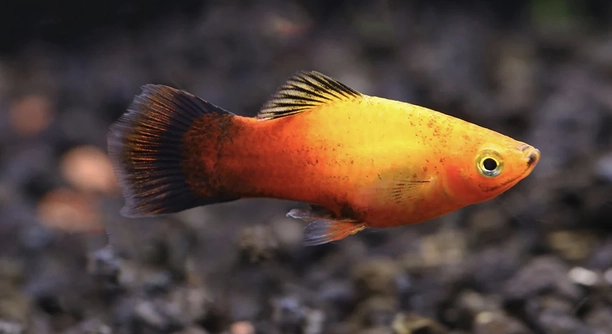
Are your platies acting a little different lately, and you’re starting to wonder if they might be expecting? Watching for the right signs can help you prepare and keep your fish healthy during this time.
Platies show several signs before giving birth, including a darkened gravid spot, a squared-off belly, and changes in behavior such as hiding or reduced appetite. These signs typically appear in the final days of pregnancy.
Noticing these signs early can help you protect the fry and ensure your platy feels safe and comfortable before giving birth.
A Noticeable Gravid Spot
As your platy nears the end of her pregnancy, the gravid spot becomes much easier to see. Located just behind the belly, this dark patch is where the developing fry are housed. It starts off light and becomes darker as birth approaches. In some cases, you may even notice the tiny eyes of the fry through the spot, especially in lighter-colored platies. This change happens gradually, so checking your platy every day can help you track her progress. A darkened and defined gravid spot is often one of the first reliable signs that birth is close. It’s helpful to observe calmly, without moving the fish too much. Sudden changes in lighting or tank setup may stress her, so keeping the environment stable is best. You don’t need to separate her just yet, but this is the time to prepare a breeding box or safe space for the fry.
This dark patch signals that your platy is nearing the end of her pregnancy and that birth could happen soon.
If your platy’s gravid spot is dark and easy to see, keep a close eye on her. This usually means she’s in her final days of pregnancy and may give birth within the week.
A Change in Body Shape
You may notice your platy’s body looks more boxy or squared-off than usual, especially when viewed from above. Her belly might appear larger and flatter on the sides. This shift in shape happens as the fry move into birthing position. The squaring of the belly is one of the clearest physical signs that labor is near. Her swimming may become slower, and she might stay near the bottom or in plants. This change can appear quickly, often within a day or two of giving birth. It’s important to avoid overcrowding the tank during this time, as it can stress the pregnant platy and delay labor. Try to keep water conditions clean and steady. If you plan to protect the fry, now is the time to move her gently into a breeding box. Once she has given birth, remove her from the box to keep the fry safe from being eaten.
Hiding or Staying in One Spot
When platies are close to giving birth, they often seek out quiet places in the tank. You might find yours hiding behind plants, decorations, or near the heater. Staying still or avoiding other fish is common during this time and usually means birth is approaching soon.
A pregnant platy that hides more than usual is likely preparing to give birth. This behavior helps her feel safer, especially if the tank has active or aggressive tank mates. Try not to disturb her hiding spots, as this can increase stress. If she stays near the heater, she may be trying to stay warm or feel more secure. You may also notice that she swims less and rests more. These changes are normal during the final stages of pregnancy. Creating quiet zones with plants or soft decorations can help her stay calm. A peaceful tank makes the birthing process easier for her.
If you notice your platy resting more and avoiding the other fish, it’s a good idea to limit tank activity. Avoid rearranging the setup or adding new fish during this time. Keeping the lights dim for a few hours a day may also help reduce stress. Watch her closely but from a distance.
Changes in Appetite
A drop in appetite is common when a platy is about to give birth. She may stop eating altogether or just nibble at food she usually enjoys. This can happen hours or even a full day before labor begins.
This behavior is linked to how her body is preparing for birth. Her stomach is full of fry, which limits the space for food. You may notice she swims to the top when you feed the tank but quickly loses interest. It’s okay if she skips a meal or two; this isn’t harmful. Just remove any uneaten food to keep the water clean. Watch closely for fry in the coming hours, especially if her appetite has suddenly decreased. This small change is easy to overlook but is one of the clearer signs labor is near. Once the fry are born, she will likely begin eating normally again within a day.
Aggression or Irritability
Some platies become more aggressive when they’re about to give birth. You may see chasing, nipping, or attempts to claim a quiet corner of the tank. This is her way of creating space and avoiding stress from other fish.
Aggressive behavior usually stops after the fry are born. It’s short-term and doesn’t mean something is wrong. If the tank is small or crowded, consider moving other fish temporarily to reduce pressure on the pregnant platy.
Shivering or Twitching Movements
Short, sudden movements like shivering or twitching can signal the beginning of labor. These movements often appear just hours before the fry are born. It’s best to observe quietly, as added stress could slow down the birthing process.
Swollen and Squared Belly
By the final days, her belly will look much larger than before. It may even appear stretched and slightly translucent. The shape becomes less round and more boxy, especially when viewed from above. This is one of the strongest signs that birth is near.
FAQ
How long are platies pregnant?
Platies are usually pregnant for about 24 to 30 days. The exact length depends on water temperature, tank conditions, and the health of the mother. Warmer water tends to speed up the pregnancy slightly, while cooler water slows things down. If your platy is healthy and the tank is stable, expect fry to arrive about four weeks after mating. It’s common for new platy keepers to miss the early signs of pregnancy, so the birth may seem sudden even if it’s been developing for a while.
How many fry do platies give birth to at once?
Platies can give birth to anywhere from 20 to 80 fry at one time. Younger or smaller females may have fewer, while older and larger ones often produce more. Not all fry may survive, especially in community tanks. If you want to raise most of them, consider separating the pregnant female or adding dense plants so the fry can hide. Platies do not care for their babies after birth and may eat them if given the chance, so providing safe spaces is important.
Should I separate the pregnant platy before birth?
You don’t have to, but it can help protect the fry. Some fishkeepers use breeding boxes or separate tanks to keep the mother and fry safe from other fish. If you choose to separate her, make sure the new space is calm and has the same water temperature and quality. Moving her too late can cause stress, so it’s best to transfer her when signs like a squared belly or hiding behavior appear. After she gives birth, remove her quickly to avoid her eating the fry.
How can I protect the fry in a community tank?
Add plenty of live or artificial plants, especially ones with fine leaves like hornwort or guppy grass. These give fry a place to hide immediately after birth. You can also add moss or use tank dividers. Avoid feeding adult fish during the birthing period, as this may reduce the risk of them chasing the fry. If you notice fry, try to scoop them out with a soft net and transfer them to a breeder tank. Frequent water changes and good filtration help keep fry healthy and growing.
How soon can I expect the platy to give birth again?
Female platies can store sperm and may get pregnant again right after giving birth. Some give birth every 4 to 6 weeks without mating again. This means you might see another round of fry sooner than expected. Keep watching her behavior and belly size. If you don’t want more fry, separate males and females. Platies breed quickly, and it’s easy to end up with more fish than your tank can support if you’re not careful. Regular checks help you stay prepared for future births.
What should I feed the fry after birth?
Newborn platy fry do best with finely crushed flakes, baby brine shrimp, or commercial fry food. They need to eat small amounts several times a day. Avoid overfeeding, as uneaten food can foul the water quickly. Use a sponge filter if possible—it’s gentle on fry and keeps the water clean. Clean water and consistent feeding help them grow faster and stay healthy. In about four to six weeks, they’ll be large enough to join the main tank if space and conditions allow.
Why did my platy eat her fry?
Platies don’t recognize their young and may eat them by instinct. This is common, especially in tanks without enough hiding spots. Stress, hunger, or crowded conditions can increase this behavior. To reduce the chances, feed your platy right before she gives birth, provide plenty of plants, or move the fry to another tank. Some fishkeepers even remove the mother immediately after she gives birth to give the fry a better chance at survival. It’s not mean—just a natural behavior you can plan around.
Final Thoughts
Watching your platy go through pregnancy and birth can feel a bit overwhelming, especially if it’s your first time. But once you learn the signs and know what to expect, it becomes much easier to manage. Small changes in her body and behavior, like a darkened gravid spot, squared belly, or hiding more often, are all natural parts of the process. These signs usually appear in the final days, giving you just enough time to prepare a safe space if you want to protect the fry. The more you observe, the better you’ll become at noticing these patterns in the future.
It’s also important to keep the tank environment calm and steady during this time. Try not to move decorations, add new fish, or make sudden changes to water temperature or lighting. All of these things can stress a pregnant platy and may slow down or complicate the birthing process. If you choose to use a breeding box or separate tank, do it gently and only when the signs are clear. Make sure the water conditions are the same as the main tank so she doesn’t go into shock. Once she gives birth, remove her from the box to keep the fry safe.
Raising platy fry takes time, but it can be a rewarding experience. If you want to keep the babies, make sure they have food, hiding spots, and clean water. On the other hand, if you prefer not to raise them, you can allow nature to take its course, though some fry may still survive if your tank has plants or hiding areas. There’s no perfect way to handle every birth—what matters most is staying observant and keeping the tank stable. Over time, you’ll get more comfortable recognizing the signs and knowing what to do. Platies are peaceful fish that often reproduce without trouble, and with a little preparation, you can handle the process with confidence.

Hello,
If you enjoy the content that we create, please consider saying a "Thank You!" by leaving a tip.
Every little bit helps us continue crafting quality advice that supports the health, happiness, and well-being of pets around the world, for pets of all shapes, sizes, and species.
We really appreciate the kindness and support that you show us!