
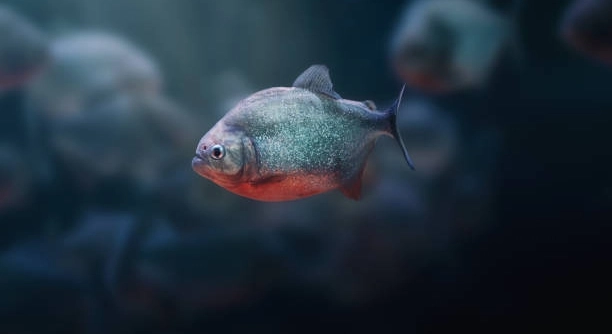
Piranhas are fascinating fish that many keep in home aquariums. Over time, they naturally age like any other living creature. Recognizing the signs of aging can help owners provide better care and adjust their environment accordingly.
Piranhas exhibit physical and behavioral changes as they grow older. These signs include slower swimming, reduced appetite, fading coloration, changes in fin condition, increased lethargy, susceptibility to illness, and altered social behavior. Monitoring these indicators supports their health management.
Knowing these signs can improve the quality of life for aging piranhas and help owners respond appropriately to their needs.
Slower Swimming and Reduced Activity
As piranhas age, their energy levels decline, causing slower swimming and less frequent movement. This change is often one of the first signs noticed by owners. Older piranhas may spend more time resting near the bottom or hiding. Reduced activity can also mean they tire easily and avoid chasing food as actively as before. It is important to provide a calm environment with minimal stress to accommodate their lower energy levels. Overexertion can lead to health problems in aging fish, so adjusting tank conditions can support their comfort. Observing how your piranhas move daily helps identify changes early and prevents unnecessary stress.
Lower activity levels in piranhas are a normal part of aging. They do not need as much space for swimming as younger fish.
Adjusting the tank setup can improve their well-being. Adding more hiding spots and reducing strong water currents helps accommodate slower swimming. Feeding smaller portions more frequently can encourage eating without causing exhaustion. Monitoring their movement helps gauge their health and signals when to consult a veterinarian. Keeping the tank clean and stable supports older piranhas in maintaining their strength and comfort.
Fading Coloration and Changes in Appearance
Color fading is common as piranhas get older. Their once vibrant scales may dull or lose brightness. This can be due to natural aging or declining health. Changes in fin condition, such as fraying or thinning, often accompany color loss. These physical signs suggest the fish is becoming more fragile. Regular observation is necessary to distinguish between normal aging and signs of disease. Proper nutrition and water quality help slow the fading process and support overall vitality. Ensuring a balanced diet rich in vitamins can preserve coloration and skin health.
Older piranhas’ appearance changes gradually, but sharp declines need attention.
Maintaining optimal tank conditions is essential to slow these changes. Stress, poor diet, or illness can accelerate fading and physical damage. A stable environment with clean water and balanced feeding strengthens the fish’s resilience. Removing aggressive tank mates can reduce fin damage. Regular water testing and partial water changes are necessary to maintain quality. Keeping a close eye on these physical changes allows timely intervention to prevent serious health issues and prolong the fish’s lifespan.
Increased Lethargy
Older piranhas tend to be more lethargic. They rest longer and move less frequently than younger fish.
Lethargy in aging piranhas is linked to decreased metabolism and overall energy. They spend more time in one spot and respond slower to stimuli. This behavior is natural but can also indicate underlying health concerns. Keeping the tank environment calm and stable helps minimize stress and supports their reduced activity levels. Monitoring lethargy patterns can reveal whether the change is due to aging or illness. If lethargy worsens suddenly, a health check may be necessary.
Environmental factors also affect lethargy. Cooler water temperatures slow metabolism, increasing rest periods. Proper water quality and a balanced diet can reduce lethargy caused by illness. Avoid sudden changes in the tank to maintain comfort. Providing gentle water flow and comfortable hiding places helps older piranhas conserve energy and avoid unnecessary exertion.
Changes in Social Behavior
Aging piranhas often show altered social interactions. They may become less aggressive or more withdrawn from tank mates.
As piranhas grow older, their dominance behavior typically decreases. Older fish might avoid conflicts and spend more time isolated. This change can reduce stress in the tank but may alter established social dynamics. Observing social behavior helps detect discomfort or illness. Changes in social patterns can signal physical weakness or declining health. Adjusting tank mates and providing enough space minimizes stress for aging fish. Maintaining stable conditions encourages peaceful coexistence and reduces aggressive encounters.
Tank mates’ reactions to older piranhas may also change. Younger or more aggressive fish might dominate, leading to further withdrawal. Careful monitoring and occasional separation may be required to protect vulnerable older piranhas. Creating a calm environment supports their well-being during this stage.
Reduced Appetite
Older piranhas often eat less than they used to. This is a natural part of aging.
A decrease in appetite may also result from health issues or stress. Offering softer, easy-to-digest foods can encourage eating. Monitoring food intake is important to ensure they receive adequate nutrition despite lower consumption.
Susceptibility to Illness
Aging piranhas have weaker immune systems, making them more prone to infections and disease. Tank cleanliness and water quality become even more critical to prevent illness. Regular observation helps catch symptoms early, allowing prompt treatment.
Altered Fin Condition
Fins on older piranhas may become ragged or damaged. This can be caused by wear over time or minor injuries that heal more slowly. Keeping the tank safe and free of sharp objects reduces risk.
How can I tell if my piranha is showing normal signs of aging or illness?
Distinguishing between natural aging and illness is crucial for proper care. Normal aging signs include slower swimming, reduced appetite, fading color, and slight fin wear. Illness signs often involve sudden changes such as rapid weight loss, abnormal swimming, visible wounds, or unusual behavior. Consistent observation helps track gradual changes versus sudden declines. If a piranha shows rapid or severe symptoms, consulting an aquatic veterinarian is advised. Maintaining good water quality and nutrition supports both aging and healthy fish.
What dietary changes should I make for older piranhas?
Older piranhas require a diet that supports their declining metabolism and weaker digestion. Offering smaller, more frequent meals of softer foods can encourage eating. Avoid large or hard-to-digest items that may cause stress. High-quality proteins with added vitamins help maintain health and coloration. Supplements with omega fatty acids or immune boosters can also be beneficial. Observe feeding behavior and adjust portions to avoid overfeeding, which can lead to water quality problems.
Can tank conditions help slow down aging signs?
Proper tank conditions significantly affect an aging piranha’s comfort and longevity. Stable water temperature, clean water, and gentle filtration reduce stress on older fish. Avoid strong currents that require excessive swimming. Providing ample hiding spots allows rest and reduces aggression from tank mates. Frequent partial water changes keep the environment healthy. A stable environment minimizes illness risks and helps maintain energy levels.
Should I separate aging piranhas from younger, more aggressive fish?
Separating older piranhas can reduce stress and injury risks caused by aggressive tank mates. Older fish may avoid confrontation but still suffer fin damage or bullying. If aggressive behavior increases or the older piranha shows signs of stress, consider moving it to a quieter tank or adding partitions. Ensuring enough space and hiding places also helps peaceful coexistence.
How often should I monitor older piranhas for health issues?
Daily observation is ideal to catch early signs of health decline. Watching behavior, appetite, and appearance helps detect problems before they worsen. Routine checks of water parameters are also critical, as poor water quality can quickly impact older fish. Monthly health assessments, including examining fins and coloration, support ongoing care.
What are common illnesses in older piranhas?
Older piranhas are prone to bacterial infections, fin rot, and parasitic infestations due to weakened immunity. Stress from poor tank conditions can trigger these issues. Early signs include discolored patches, frayed fins, and lethargy. Prompt treatment with appropriate medications is necessary to prevent progression. Maintaining a clean tank and proper diet reduces the risk of illness.
Can supplements improve an aging piranha’s health?
Certain supplements can support immune function and overall vitality in older piranhas. Vitamins A, C, and E help skin and fin health. Omega-3 fatty acids reduce inflammation and support organ function. Immune-boosting additives in food or water may reduce illness risks. Always use supplements designed for aquatic species and follow dosage recommendations carefully.
What signs indicate an aging piranha needs veterinary care?
Severe lethargy, persistent loss of appetite, visible wounds that don’t heal, abnormal swimming patterns, and sudden color changes require professional attention. If your piranha stops responding to feeding or appears distressed, a veterinarian can diagnose and treat underlying issues. Early intervention improves outcomes.
Is it normal for older piranhas to become less social?
Yes, aging piranhas often withdraw from social interactions. Reduced aggression and avoidance of tank mates are common as energy declines. This behavior is natural but may also reflect discomfort or illness. Monitoring social changes alongside other signs helps assess overall health.
How long do piranhas typically live?
Piranhas generally live between 10 and 15 years in well-maintained aquariums. Proper care, including diet, tank conditions, and health monitoring, influences their lifespan. Recognizing aging signs early helps extend quality of life.
Aging is a natural part of a piranha’s life cycle, and recognizing the signs can help provide better care as they grow older. Changes in behavior, appetite, and physical appearance are common indicators that your fish is entering its senior years. Paying close attention to these signs allows for adjustments in diet, tank conditions, and social interactions. This approach supports the health and comfort of your piranhas throughout their life span. Being proactive about their needs can prevent many common problems associated with aging.
Maintaining a stable environment is essential when caring for older piranhas. Water quality should be monitored regularly, and tanks should be kept clean and well-maintained. Avoiding sudden changes in temperature or water parameters helps reduce stress on aging fish. Providing a calm and safe environment allows older piranhas to conserve energy and avoid unnecessary conflicts with other tank mates. Adjusting the habitat to include hiding spots and gentle water flow creates a more comfortable living space for them.
Overall, understanding the signs of aging in piranhas helps in managing their health and well-being. While some changes are unavoidable, appropriate care can improve their quality of life. Regular observation, proper diet, and a peaceful tank environment all contribute to supporting your piranhas as they grow older. By recognizing these needs early and responding accordingly, you ensure your piranhas remain as healthy and comfortable as possible during their later years.

Hello,
If you enjoy the content that we create, please consider saying a "Thank You!" by leaving a tip.
Every little bit helps us continue crafting quality advice that supports the health, happiness, and well-being of pets around the world, for pets of all shapes, sizes, and species.
We really appreciate the kindness and support that you show us!