
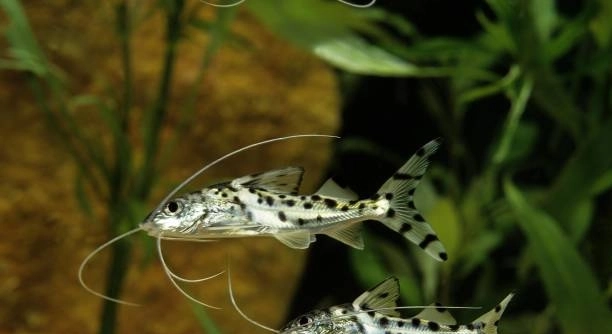
Is your Pictus tank not looking as lively as it should? Proper water circulation plays a crucial role in keeping these fish healthy and happy. Poor circulation can cause several visible signs that indicate your tank needs improvement.
Inadequate circulation in a Pictus tank leads to stagnant water areas, reduced oxygen levels, and accumulation of waste. These conditions affect fish health, causing stress and increased risk of disease. Effective water flow ensures proper oxygenation and waste removal, maintaining a stable environment.
Recognizing these signs early helps you create a better habitat for your Pictus fish and supports their overall well-being.
Signs of Algae Buildup in Your Pictus Tank
Algae growth often signals poor water circulation in your Pictus tank. When water flow is weak, nutrients and light can cause algae to accumulate on tank surfaces and decorations. This buildup not only makes the tank look unclean but also reduces oxygen levels at night when algae consume oxygen. Over time, excessive algae can harm your fish by creating an unhealthy environment. Regular cleaning helps, but improving circulation is key to preventing algae from becoming a persistent problem. If you notice green patches or slimy textures inside the tank, it’s a clear sign that the water movement needs adjustment. Stronger currents help distribute nutrients evenly and reduce algae growth by limiting stagnant spots where algae thrive. Addressing this early prevents further imbalance and keeps your Pictus tank healthier and more visually appealing.
Improved water circulation reduces algae growth by distributing nutrients and oxygen evenly, creating a more balanced environment for your fish and plants.
Maintaining clear water requires both proper filtration and consistent water flow. Regularly check your filter and pump to ensure they work efficiently. Sometimes, repositioning the filter output or adding an additional powerhead can significantly improve circulation. Keep an eye on algae spots and adjust equipment as needed. These small changes can greatly reduce maintenance time and enhance the tank’s overall condition.
Fish Behavior Changes Due to Poor Circulation
When water circulation is weak, Pictus fish often display signs of discomfort. They may become less active, spend more time near the surface, or cluster around areas where water movement is stronger. Poor circulation reduces oxygen levels, causing your fish to struggle for breath. This can lead to stress and weakened immune systems, making them more susceptible to illness. Watching their behavior closely gives you insight into how well your tank is functioning. In a well-circulated tank, Pictus fish will swim freely, explore their environment, and show natural behaviors such as resting on smooth surfaces or interacting with tank mates. Changes in activity are a clear indicator that circulation needs improvement to restore a healthy atmosphere for your fish.
Adjusting water flow can restore natural behaviors by increasing oxygen levels and reducing stress.
It is important to identify the specific signs your fish show when circulation is poor. These can include gasping at the surface, lethargy, or unusual hiding spots. If you notice these behaviors, evaluate your filtration system and water flow. Adding a water pump or repositioning existing equipment can help increase circulation. Also, consider regular water changes to improve overall water quality. Making these adjustments will support your fish’s health and encourage them to thrive in their environment.
Uneven Temperature in the Tank
Poor circulation causes temperature to vary in different parts of the tank. This uneven heating stresses Pictus fish, which prefer stable water temperatures. Cold or warm spots may develop near the filter or heater.
Temperature fluctuations affect fish metabolism and immune response. In a well-circulated tank, heat spreads evenly, preventing cold zones that can weaken your fish. Uneven temperatures can also encourage harmful bacteria growth in cooler areas. Monitoring temperature across the tank is important, especially near corners or hidden spots. Adjusting water flow helps maintain consistent warmth, creating a stable environment. Using a heater with a built-in thermostat and placing circulation devices properly can prevent these temperature differences from harming your fish.
Improved circulation not only keeps the water moving but also helps distribute heat more evenly, promoting fish health. Maintaining a uniform temperature prevents stress and supports proper physiological function in Pictus fish.
Cloudy or Murky Water
Cloudy water often results from poor circulation, which fails to move debris and waste toward the filter. This allows particles to remain suspended in the water, reducing clarity. Poor water clarity affects the tank’s appearance and can stress fish.
Particles that do not settle create an unhealthy environment for Pictus fish. Without proper flow, beneficial bacteria colonies may also struggle to thrive, slowing the natural breakdown of waste. Regular water changes and improved circulation through stronger pumps or additional filters help clear the water. Ensuring good water movement prevents debris buildup, supporting clearer water and a healthier tank ecosystem. Monitoring water quality parameters like ammonia and nitrates is also crucial to maintain clarity and fish well-being.
Uneven Distribution of Food
Poor circulation causes food to settle in one area instead of spreading evenly. This can lead to waste buildup and uneven feeding among your Pictus fish. Some fish may miss out on nutrition while others overeat.
Uneven food distribution also contributes to water quality issues. Leftover food decomposes, increasing harmful toxins. Improving water flow helps spread food evenly and reduces waste accumulation. This creates a healthier environment and ensures all fish get their share of food.
Accumulation of Debris in Corners
Debris tends to gather in tank corners when circulation is weak. Without proper water movement, particles settle in these low-flow areas, creating dirty spots that are difficult to clean.
Stress and Health Issues in Pictus Fish
Inadequate circulation reduces oxygen levels and causes harmful waste to build up, stressing Pictus fish. Stress lowers their immune system, increasing vulnerability to diseases. Improving water flow helps maintain oxygen and removes toxins, supporting fish health and vitality.
FAQ
How can I improve circulation in my Pictus tank?
Improving circulation starts with checking your filter and pump. Make sure they are working properly and clean any blockages. Adding a powerhead or circulation pump can help create stronger water movement. Position these devices to avoid dead zones where water stays still. Regular maintenance ensures consistent flow, which supports oxygen levels and waste removal.
What kind of filter is best for a Pictus tank?
A filter that provides both mechanical and biological filtration works best. Canister filters and hang-on-back filters are popular choices. They promote good water flow while filtering out debris and supporting beneficial bacteria. Choose one rated for your tank size to ensure effective circulation and cleaning.
How often should I clean my tank to prevent circulation problems?
Regular cleaning is essential but avoid overdoing it, which can disrupt beneficial bacteria. Partial water changes every one to two weeks help keep water fresh. Clean the filter media monthly, but rinse it with tank water to preserve bacteria. Removing debris and algae prevents blockages that reduce water flow.
Can poor circulation cause fish to die?
Yes, poor circulation can lead to low oxygen and toxin buildup, both harmful to fish. When oxygen levels drop, fish may suffocate or become stressed, weakening their immune system. Toxic waste accumulation can cause poisoning. Fixing circulation issues quickly helps prevent fatal problems.
Is water circulation the same as water filtration?
No, water circulation refers to the movement of water within the tank, while filtration is the process of removing waste and toxins. Both are important and often linked because good filtration depends on proper water flow. Without circulation, filters cannot work efficiently.
How do I know if my Pictus fish is stressed from poor circulation?
Signs include lethargy, gasping at the surface, hiding more than usual, or loss of appetite. They might cluster near areas with better water flow. Monitoring behavior helps catch stress early, allowing you to improve circulation before health worsens.
Can adding more plants help with circulation issues?
Plants help absorb some waste and improve oxygen levels, but they don’t replace the need for good circulation. In fact, dense plant growth can reduce water flow if not managed properly. Balancing plants with equipment that promotes circulation is the best approach.
What equipment upgrades help increase water flow?
Powerheads, circulation pumps, and stronger filters are effective upgrades. Some tanks benefit from adding multiple flow devices to ensure even movement. Adjustable flow equipment lets you control speed based on your tank’s needs.
Is it safe to have strong water flow for Pictus fish?
Pictus fish enjoy moderate water flow because they are active swimmers. However, very strong currents may cause stress or fatigue. Aim for steady, gentle circulation that keeps water moving without overwhelming your fish.
Can water circulation affect tank temperature?
Yes, proper circulation helps distribute heat evenly, preventing hot or cold spots. Without it, temperature can vary, stressing fish. Using heaters with thermostats and positioning them near circulation devices improves temperature stability.
How can I test if my tank circulation is adequate?
Observe water movement at different tank areas. Leaves or floating objects can show flow patterns. If you notice still spots or debris settling in corners, circulation may be weak. Measuring oxygen levels and water quality can also indicate circulation effectiveness.
What role does tank size play in circulation needs?
Larger tanks require stronger or multiple circulation devices to maintain even water flow. Small tanks may only need one well-placed filter or pump. Understanding your tank size helps choose equipment that meets circulation demands.
Can poor circulation lead to disease outbreaks?
Yes, stagnant water allows harmful bacteria and parasites to thrive. Low oxygen weakens fish immune systems, making them more vulnerable. Good circulation reduces these risks by keeping water clean and oxygenated.
How can I safely increase circulation without stressing my fish?
Increase flow gradually and observe fish reactions. Use adjustable pumps to control speed. Place devices carefully to avoid direct strong currents on fish resting areas. This allows fish to adapt comfortably to changes in water movement.
Does regular water change improve circulation?
Water changes refresh water quality but don’t directly increase circulation. However, combined with good filtration and pumps, they maintain a healthy environment. Changing water regularly removes excess nutrients that fuel algae and waste buildup.
What maintenance is needed for circulation equipment?
Clean pumps, powerheads, and filter outputs regularly to prevent clogging. Remove debris like hair or algae buildup that blocks flow. Inspect equipment for wear or damage to ensure optimal performance. Proper care extends equipment life and maintains circulation.
Proper water circulation is essential for maintaining a healthy Pictus tank. Without it, several problems can arise that affect both the environment and the fish living in it. Circulation helps keep the water oxygenated, evenly distributes heat, and prevents waste and debris from settling in one place. When circulation is poor, it creates stagnant areas where algae can grow, waste accumulates, and fish may become stressed. By paying attention to these factors, you can create a more stable and clean environment that supports the well-being of your Pictus fish.
Improving water flow does not always require expensive equipment or major changes. Simple adjustments, such as repositioning the filter outlet or adding a small powerhead, can make a significant difference. Regular maintenance of your filtration system also supports good circulation by preventing blockages and ensuring consistent water movement. Monitoring your tank for signs like cloudy water, algae buildup, or unusual fish behavior helps catch circulation issues early. Addressing these signs quickly can prevent long-term damage and keep your tank healthy and balanced.
Taking care of circulation also means maintaining good habits like partial water changes and cleaning debris. These actions help keep the water quality high and reduce stress on your fish. A well-circulated tank creates a more natural and comfortable habitat for your Pictus fish, promoting their activity and overall health. Paying close attention to circulation is an important part of aquarium care that benefits both the fish and the enjoyment of your tank.

Hello,
If you enjoy the content that we create, please consider saying a "Thank You!" by leaving a tip.
Every little bit helps us continue crafting quality advice that supports the health, happiness, and well-being of pets around the world, for pets of all shapes, sizes, and species.
We really appreciate the kindness and support that you show us!