
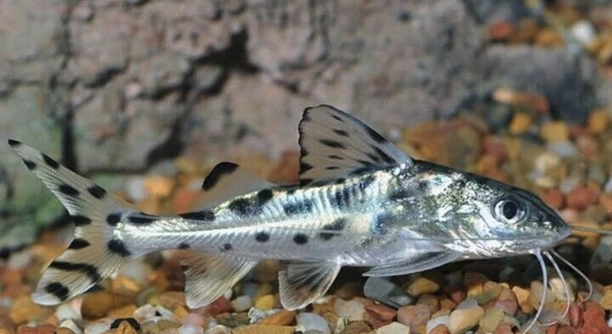
Are your pictus catfish showing signs of discomfort in their tank? Many fish owners face the challenge of knowing when their aquatic pets need more space. Understanding these signs is important for maintaining a healthy environment.
Pictus catfish outgrow their tanks when their size and activity levels exceed the available space, causing stress and poor water quality. Recognizing physical changes and behavioral shifts helps determine when it is necessary to upgrade to a larger aquarium.
Knowing when to act can protect your fish’s health and improve their quality of life. These signs provide clear guidance for making the right choice for your pet.
Increased Activity and Restlessness
Pictus catfish are naturally active swimmers who enjoy exploring their environment. When they start swimming more vigorously or seem restless, it can be a sign they need more space. In a tank that is too small, they may repeatedly swim along the same routes or try to squeeze into tight corners. This behavior shows their discomfort with the limited room. Over time, constant swimming without rest can lead to stress and weaken their immune system. Observing your fish’s movement closely will help you notice any unusual activity early. Restlessness often appears before other physical signs of tank overcrowding. Providing enough space allows your pictus to express normal behaviors like exploring and resting comfortably, which contributes to their overall well-being.
Fish that are more active than usual may be signaling a need for a larger tank to accommodate their energy.
Keeping pictus catfish in a tank that matches their activity level is important. When their environment is too small, they cannot swim freely, which affects their health. A larger tank offers them space to swim in different patterns and reduces stress. This helps maintain better water quality as well, since more space dilutes waste. Watching how your fish behave can tell you a lot about their needs. If they seem constantly on edge or overly energetic, it is a good indication to consider upgrading their tank size.
Physical Growth and Size Changes
Fish grow steadily, and pictus catfish can reach lengths of up to six inches. If your fish start to look cramped or their fins touch the tank walls frequently, it’s a clear sign the tank is too small. Growth that exceeds the tank’s capacity limits their movement and can cause deformities or injuries. Also, crowded tanks tend to have poor water conditions, which further hinder healthy growth. Regularly measuring your fish and noting their size compared to the tank dimensions helps avoid these problems. As pictus grow, their space needs increase disproportionately because they need room for natural behaviors and adequate swimming. A tank suitable for small fish may quickly become inadequate, so being proactive about tank size is essential for their health.
If the pictus are visibly bigger and restricted in movement, it is time to consider a larger aquarium.
Monitoring physical changes is crucial to keep pictus catfish healthy. Fish that outgrow their tanks often become sluggish or hide more, which signals stress. A larger tank not only provides comfort but also stabilizes water parameters, reducing harmful toxins. When upgrading, select a tank that allows at least two times the current volume to support healthy growth. Ensuring enough swimming room supports muscle development and prevents injuries caused by bumping into walls or decorations. Taking care of your pictus with adequate space results in a happier and longer life for them.
Changes in Appetite and Health
When pictus catfish begin to lose interest in food or eat less, it can indicate stress caused by a cramped tank. Poor water quality and limited space often affect their digestion and immune system.
Loss of appetite is a common sign of stress in fish. In a small tank, toxins build up faster, making the environment unhealthy. This can weaken your pictus and cause illness. Reduced eating lowers their energy, making them vulnerable to infections. Feeding smaller portions or changing food type may not solve the problem if the tank size is the root cause. Ensuring clean water and proper space encourages better appetite and overall health.
Stress from overcrowding also lowers their resistance to disease. Symptoms like faded color, clamped fins, or lethargy often follow. A larger tank with better filtration reduces toxins and provides space for your pictus to thrive. Early action helps prevent long-term health issues and keeps your fish lively and strong.
Frequent Hiding and Unusual Behavior
Pictus catfish may start hiding more often or act unusually if their tank is too small. This behavior often signals discomfort or stress caused by overcrowding.
In a cramped tank, pictus seek refuge to escape constant movement or aggression from other fish. This can lead to prolonged hiding, which reduces their exercise and social interaction. When fish spend too much time out of sight, it’s often a response to an unsuitable environment. These behaviors include darting nervously, rubbing against tank walls, or refusing to swim normally. Overcrowding also disrupts the tank’s balance, increasing competition for food and space.
Increasing tank size reduces stress, encouraging normal activity and social behaviors. Providing enough space helps pictus feel secure, so they explore more instead of hiding. This also improves their mental health and reduces aggression. Addressing these changes early creates a better home for your fish and prevents behavioral problems.
Poor Water Quality
Small tanks make it harder to maintain clean water. Waste builds up quickly, causing harmful chemicals to rise.
This poor environment stresses pictus catfish and can lead to illness or death if not addressed promptly.
Signs of Stress in Pictus Catfish
Stress in pictus can show through rapid breathing, faded colors, or clamped fins. These signs indicate that the fish are struggling to adapt to their environment. Stress lowers their immune system, making them more vulnerable to diseases and infections. Overcrowded tanks increase competition for oxygen and food, which worsens stress. Watching for these physical and behavioral changes is essential to protect your fish. Increasing tank size or improving filtration can reduce stress and help your pictus regain their health and natural behavior.
Difficulty Swimming
If your pictus catfish seem to have trouble swimming or maneuvering, the tank may be too small. Lack of space limits their movement and comfort.
How do I know if my pictus catfish needs a bigger tank?
You can tell your pictus catfish needs a bigger tank by observing their behavior and physical condition. Signs include increased restlessness, frequent hiding, and difficulty swimming freely. If they often bump into tank walls or decorations, it means they don’t have enough space. Additionally, if your fish are growing larger and the tank size no longer matches their needs, it’s time to upgrade. Poor water quality and changes in appetite can also indicate overcrowding. Watching these signs closely helps ensure your pictus remains healthy and stress-free.
What tank size is ideal for pictus catfish?
Pictus catfish typically grow to about six inches, so they need a tank that offers plenty of swimming room. A minimum of 30 gallons is recommended for one adult pictus, with additional space for each extra fish. Larger tanks not only provide enough space but also improve water quality and reduce stress. Choosing a tank with good filtration and room to add plants or hiding spots creates a healthy and comfortable environment. Starting with a bigger tank avoids frequent upgrades and supports your fish’s long-term health.
Can overcrowding affect my pictus catfish’s health?
Yes, overcrowding greatly impacts the health of pictus catfish. When too many fish live in a small tank, waste accumulates quickly, leading to poor water quality. This environment causes stress and weakens their immune systems, making them prone to diseases. Overcrowding also creates competition for food and oxygen, which can result in aggression and injuries. Keeping fewer fish or upgrading to a larger tank reduces these risks and promotes better health and longevity for your pictus.
How often should I upgrade my pictus catfish’s tank?
Tank upgrades depend on how fast your fish grow and how many you keep. Young pictus may need a larger tank within their first year, especially if you started with a small setup. Regularly monitoring their size, behavior, and water quality will guide your decision. If you notice signs of overcrowding, such as stress or restricted movement, it’s time to move to a bigger tank. Upgrading before problems arise helps avoid health issues and maintains a stable environment.
What are common behaviors that show my pictus catfish is stressed?
Stress in pictus catfish often appears through rapid breathing, hiding for long periods, and loss of appetite. You might also notice clamped fins, faded colors, or erratic swimming patterns. Stress affects their immune system, making them more vulnerable to infections. Overcrowding, poor water quality, and limited space are common causes. Observing your fish regularly and addressing these behaviors early is important. Providing a larger tank with clean water helps reduce stress and restores normal activity.
Can I keep multiple pictus catfish in one tank?
You can keep multiple pictus catfish together, but tank size must accommodate their combined needs. A tank under 50 gallons is usually too small for more than two adults. Overcrowding increases stress, aggression, and water quality problems. Providing enough space, hiding spots, and proper filtration ensures a peaceful community. Monitoring interactions helps prevent bullying or injury. When kept in suitable conditions, pictus catfish can live well in groups and display natural social behaviors.
What should I do if I can’t upgrade my tank immediately?
If upgrading your tank isn’t possible right away, take steps to reduce stress and maintain water quality. Perform frequent water changes to remove waste and toxins. Avoid overfeeding and remove uneaten food promptly. Reduce the number of fish if overcrowding is severe. Add decorations or plants to create hiding spots and reduce aggression. Monitor your fish closely for signs of illness. While these actions help temporarily, planning for a larger tank is important for your pictus’s long-term health.
How does tank size affect water quality for pictus catfish?
Tank size directly impacts water quality because larger tanks dilute toxins like ammonia and nitrates more effectively. Smaller tanks accumulate waste faster, requiring more frequent cleaning and water changes. Poor water quality stresses pictus catfish and can cause diseases. Bigger tanks support stable water parameters and a healthy environment. Combined with good filtration, a larger tank helps maintain clean water, reducing health risks and improving your fish’s comfort and longevity.
When it comes to keeping pictus catfish healthy and happy, providing the right tank size is very important. These fish grow quickly and are naturally active swimmers, so they need enough space to move freely. A tank that is too small can cause stress, reduce their activity, and affect their overall health. Watching your pictus for signs like restlessness, hiding, and changes in appetite can help you know when it is time to consider a larger tank. Taking action early can prevent many problems and create a better living environment for your fish.
Maintaining good water quality is also closely tied to tank size. Smaller tanks fill up with waste faster, leading to harmful toxins that can harm your pictus catfish. When the tank is larger, it is easier to keep the water clean and balanced, which supports the fish’s immune system and reduces the risk of illness. Along with choosing the right tank size, regular water changes and proper filtration are essential to keep the tank environment stable and healthy. This combined care helps your fish thrive and stay active.
Upgrading your tank may feel like a big step, but it is an important one for the well-being of your pictus catfish. A larger tank gives them the room they need to grow, swim, and behave naturally. It also reduces stress and prevents many common health problems associated with overcrowding. Taking care of your fish by providing enough space shows responsibility and helps ensure they live longer and more comfortable lives. Paying attention to their needs and making timely changes will make a positive difference for your aquatic pets.

Hello,
If you enjoy the content that we create, please consider saying a "Thank You!" by leaving a tip.
Every little bit helps us continue crafting quality advice that supports the health, happiness, and well-being of pets around the world, for pets of all shapes, sizes, and species.
We really appreciate the kindness and support that you show us!