
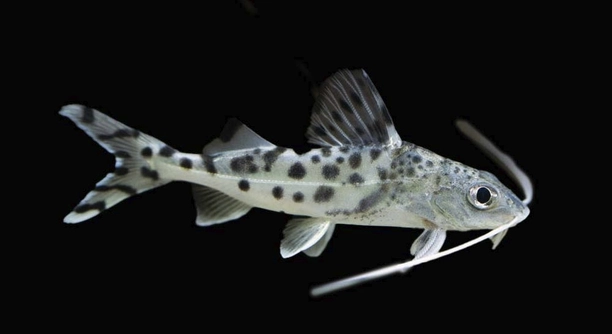
Pictus catfish are popular aquarium pets known for their active behavior and peaceful nature. These fish need proper space to thrive and stay healthy. Observing their tank environment closely can help ensure their well-being over time.
When a pictus catfish requires a larger tank, it often shows signs such as increased restlessness, frequent attempts to escape, stunted growth, or deteriorating water quality. Adequate space is essential for their natural behavior and overall health maintenance.
Recognizing these signs early can prevent stress and promote a better life for your pictus catfish. This guide explains key indicators to watch for in your aquarium setup.
Restlessness and Excessive Activity
When your pictus catfish seems unusually restless or constantly swims around the tank without settling, it could mean the space is too small. These fish are active and need room to swim freely. If their tank is too small, they may become stressed, which affects their health and behavior. Restlessness can also show as frequent darting or jumping at the tank walls. This behavior is often a sign that they feel confined and uncomfortable. Increasing the tank size gives them the freedom to explore and reduces stress, improving their overall well-being. Observing this behavior early can prevent long-term issues and keep your fish healthier.
Restlessness often indicates the need for more space to swim and explore safely.
Providing a larger tank allows pictus catfish to swim naturally and reduces signs of anxiety. Overcrowded tanks can lead to stress and physical health problems, including a weakened immune system. Ensuring adequate space lets them maintain their active lifestyle comfortably, which supports their growth and lifespan. If your fish shows signs of restlessness, consider upgrading their tank promptly.
Stunted Growth and Poor Health
Stunted growth in pictus catfish is a clear sign they need more space. When a tank is too small, the fish cannot grow to their full size, which can cause serious health problems over time. Limited space restricts their movement and may lead to weakened muscles and poor development. Water quality also suffers in a smaller tank due to waste buildup, which can affect the fish’s immune system and cause illness. A larger tank improves water circulation and provides room for healthier growth. Regular monitoring of your fish’s size and health helps you decide when to upgrade their environment.
Small tanks restrict growth and reduce overall health in pictus catfish.
A larger tank improves water quality and allows fish to grow properly, supporting long-term health. Regular tank maintenance and monitoring water conditions are important to prevent illness and keep your fish thriving. Moving to a bigger tank when needed ensures your pictus catfish can reach their full potential in size and vitality.
Frequent Attempts to Escape
Pictus catfish may try to jump out of their tank if they feel cramped or stressed. This behavior often indicates their current environment is unsuitable.
Jumping or pushing against the tank walls is a clear sign that the fish needs more space. A small tank limits their natural swimming habits, causing frustration. This can lead to dangerous behavior, increasing the risk of injury or death if they escape. Ensuring a larger tank provides a safer environment where your fish can swim freely and feel secure.
Besides physical space, water quality plays a role in escape attempts. In overcrowded or small tanks, waste accumulates quickly, affecting oxygen levels. Poor water conditions encourage fish to seek relief, which can cause jumping. Increasing tank size improves filtration and oxygen levels, reducing these stressful behaviors.
Deteriorating Water Quality
Poor water quality is a common issue in undersized tanks housing pictus catfish. Waste builds up faster in smaller volumes of water, harming fish health.
Regular water changes are crucial but may not fully solve the problem if the tank is too small. A larger tank dilutes waste better, stabilizing water parameters. This stability helps maintain healthy conditions for your fish and reduces stress.
When water quality declines, fish may show signs of illness like faded colors or sluggish movement. These symptoms often indicate ammonia or nitrate spikes. Increasing tank size supports better filtration and natural biological balance, improving overall water health and your fish’s well-being.
Clamped Fins
Clamped fins in pictus catfish often indicate stress or poor water conditions. This can happen when the tank is too small or overcrowded.
When the fins stay close to the body instead of spreading out, the fish is uncomfortable. Increasing tank size helps reduce stress and improves fin health over time.
Loss of Appetite
A pictus catfish that stops eating or shows less interest in food may be stressed from limited space. A larger tank creates a more natural environment, encouraging regular feeding and healthy growth.
Increased Aggression
Pictus catfish usually have a peaceful nature, but overcrowded tanks can cause irritability and aggression. Providing more space helps reduce territorial disputes and promotes calmer behavior.
FAQ
How do I know if my pictus catfish tank is too small?
Signs include restless swimming, frequent attempts to jump, stunted growth, clamped fins, and poor water quality. When your fish shows these behaviors, it often means they need more room to swim and grow comfortably.
What tank size is ideal for pictus catfish?
A minimum of 30 gallons is recommended for adult pictus catfish. Larger tanks are better if you keep multiple fish or other species. More space helps maintain stable water conditions and supports their active nature.
Can pictus catfish live in a community tank?
Yes, pictus catfish are peaceful and generally get along with other non-aggressive fish. However, overcrowding should be avoided, as it can cause stress and aggressive behavior even in calm species.
How often should I change the water in a pictus catfish tank?
Regular water changes are essential. Ideally, change 20-25% of the water weekly to keep ammonia and nitrate levels low. Smaller tanks may require more frequent changes due to faster waste buildup.
What happens if my pictus catfish outgrows its tank?
Outgrowing a tank causes stress, poor health, and increased risk of disease. Fish may become lethargic or attempt to escape. Upgrading to a larger tank helps maintain their well-being and natural behavior.
Are there any signs that indicate a healthy pictus catfish?
Healthy fish are active, have clear eyes, spread fins, and show good appetite. Their skin and fins should be smooth without damage. Bright coloration and natural behavior also indicate good health.
Can stress from a small tank affect my pictus catfish’s lifespan?
Yes, chronic stress from overcrowding or poor water quality can weaken the immune system, making fish more susceptible to illness and shortening their lifespan.
Is it necessary to upgrade the tank as my pictus catfish grows?
Absolutely. Pictus catfish can reach up to 6 inches in length. Their tank should provide ample swimming space to support healthy growth and reduce stress.
What equipment helps maintain good water quality in a larger tank?
A strong filter rated for your tank size is important. Additional aeration and regular water testing help keep conditions stable. Using live plants can also aid in water purification.
How do I transition my pictus catfish to a bigger tank?
Carefully acclimate your fish by gradually adjusting them to the new water parameters. Use gentle transfer methods to minimize stress. Ensure the larger tank is fully cycled before moving the fish.
Can a pictus catfish survive in a small tank if I maintain water quality?
While good water quality helps, space limitations still cause stress and restrict natural behavior. A small tank is never ideal long-term for their health or comfort.
What are common diseases caused by living in too small a tank?
Diseases such as fin rot, fungal infections, and swim bladder issues can arise from poor water conditions and stress. Maintaining a proper tank size helps prevent these problems.
How does tank size affect pictus catfish behavior?
Adequate space allows natural swimming patterns, social interaction, and reduces aggressive or anxious behavior. Small tanks often lead to lethargy, hiding, or frantic swimming.
Are pictus catfish jumpers?
Yes, they are known to jump, especially if stressed or confined. A secure lid is necessary to prevent escapes and injuries.
Can tank size influence breeding in pictus catfish?
Larger tanks with proper conditions encourage natural breeding behavior. Small, cramped tanks usually inhibit spawning due to stress and lack of space.
Is it okay to keep multiple pictus catfish together in a tank?
They are social fish and do well in groups of three or more. However, this requires a larger tank to accommodate their activity and reduce competition for space.
What’s the best substrate for pictus catfish in a bigger tank?
Smooth sand or fine gravel works best to protect their sensitive barbels. Sharp or rough substrates can cause injury, especially in a crowded tank.
How do I spot early signs of stress in pictus catfish?
Look for clamped fins, loss of appetite, erratic swimming, and hiding. Early detection allows you to adjust tank conditions before serious health issues develop.
Are tank decorations important for pictus catfish?
Yes, hiding places and plants provide shelter and reduce stress. In a larger tank, decorations help create a natural environment that supports their well-being.
What’s the minimum tank length for pictus catfish?
At least 24 to 30 inches in length is recommended. This length offers enough horizontal swimming space for their active behavior.
How often should I monitor water parameters in a pictus catfish tank?
Weekly checks for ammonia, nitrite, nitrate, pH, and temperature are important. Regular monitoring helps catch problems early and maintain a healthy environment.
Does tank size affect the filtration system needed?
Yes, larger tanks need more powerful filters. The filter should handle at least twice the tank volume per hour to keep water clean and well-oxygenated.
Can poor tank size affect the social behavior of pictus catfish?
Yes, overcrowding may cause aggression or stress, disrupting their usually peaceful nature. Sufficient space helps maintain harmony among tank mates.
What should I do if my pictus catfish shows signs of illness related to tank size?
Upgrade the tank immediately, improve water quality, and consult a vet or aquatic specialist. Early treatment and environment improvement are key to recovery.
Is it better to have one large tank or several smaller tanks for pictus catfish?
One larger tank is preferable. It provides stable water conditions and ample space for swimming and socializing, which smaller tanks cannot easily replicate.
Final thoughts on caring for your pictus catfish focus on providing the best environment for their health and happiness. These fish are active and need enough space to swim and explore comfortably. A tank that is too small limits their movement and causes stress, which can lead to health problems. Watching for signs like restlessness, stunted growth, or poor water quality can help you decide when it’s time to upgrade their tank. Giving your fish more room not only improves their behavior but also supports their overall well-being.
Maintaining good water quality is essential for pictus catfish, especially as they grow. Smaller tanks often have faster waste buildup, which can quickly deteriorate water conditions. This leads to stress and illness in your fish. A larger tank dilutes waste better and makes it easier to maintain stable water parameters. Regular water changes and proper filtration also play important roles. Ensuring your tank size matches the needs of your pictus catfish helps keep the environment clean and safe, allowing your fish to thrive.
Upgrading to a bigger tank benefits both you and your pictus catfish. It reduces the need for constant water maintenance, lowers the risk of disease, and provides a more natural space for your fish to live. It also encourages natural behaviors and social interaction if you keep more than one fish. While upgrading may require some effort and expense, the health and happiness of your pictus catfish make it worthwhile. Paying attention to your fish’s needs and environment ensures they live a long, healthy life.

Hello,
If you enjoy the content that we create, please consider saying a "Thank You!" by leaving a tip.
Every little bit helps us continue crafting quality advice that supports the health, happiness, and well-being of pets around the world, for pets of all shapes, sizes, and species.
We really appreciate the kindness and support that you show us!